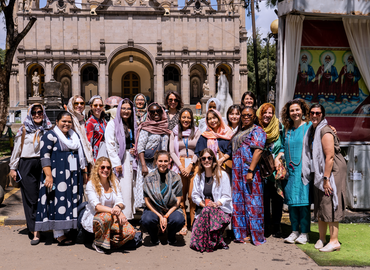
Rights on Paper, Justice in Practice: Women that shape KAICIID’s journey

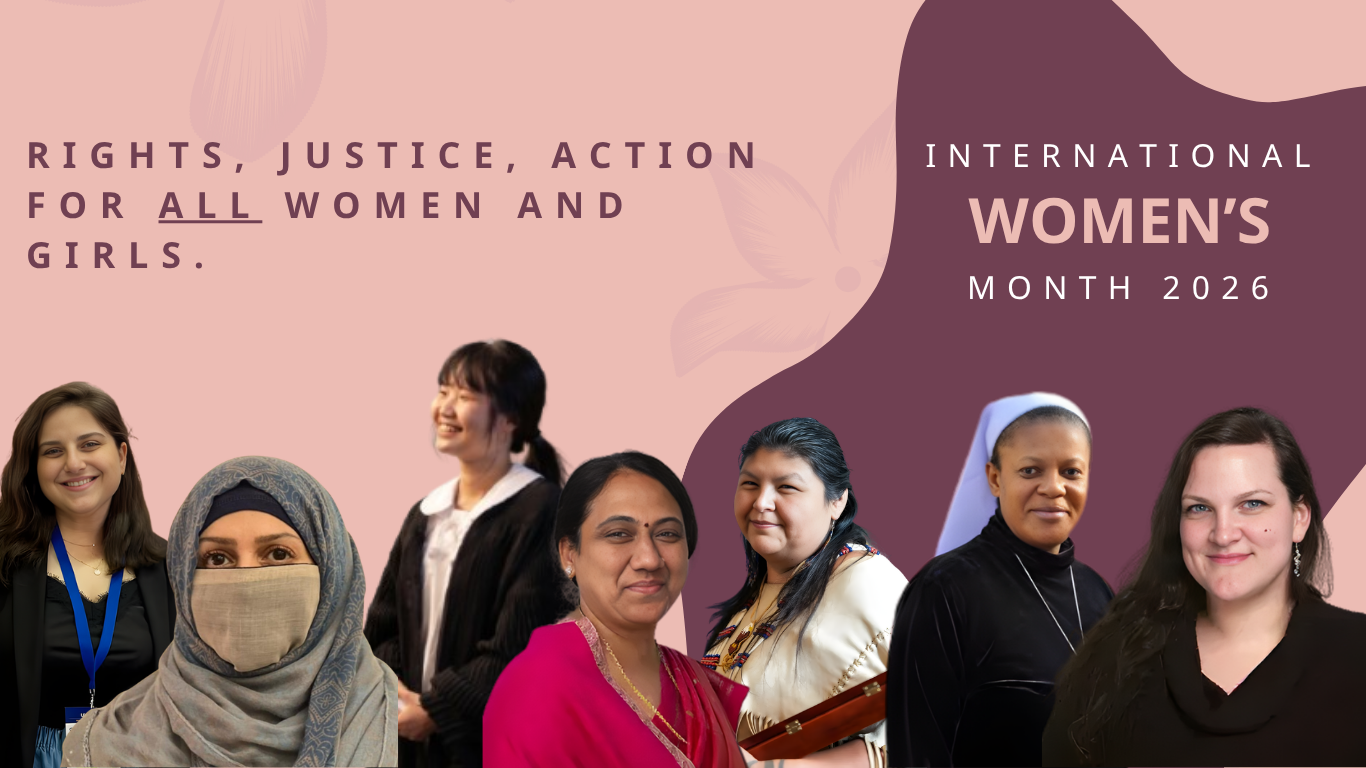
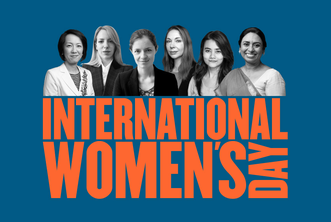
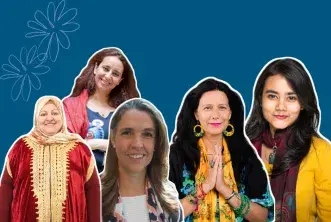
In honour of International Women’s Month 2026, women connected to KAICIID’s dialogue networks reflect on the barriers still holding women and girls back in their communities, the action already underway and the urgent need to turn formal commitments into meaningful change.
Despite women’s rights being more visible today across different contexts, such as law, policy and public debate than they were a generation ago, for many women working in dialogue, peacebuilding and community leadership, the lingering question still stands: Even with rights widely recognised in principle, are they a reality in societies
That gap between recognition and reality sits at the heart of the 2026 UN theme for International Women’s Day, “Rights. Justice. Action. For ALL Women and Girls.” spearheading the reflections of women connected to KAICIID’s interreligious and intercultural dialogue networks from Europe to the Middle East, Africa and Asia. Experiences vary, but the message is notably consistent across contexts: women and girls do not need symbolic inclusion. Their reflections point to a common truth: progress cannot be measured only by what is written in policy, but by whether women and girls can participate meaningfully, safely and with influence in the decisions that shape their lives.
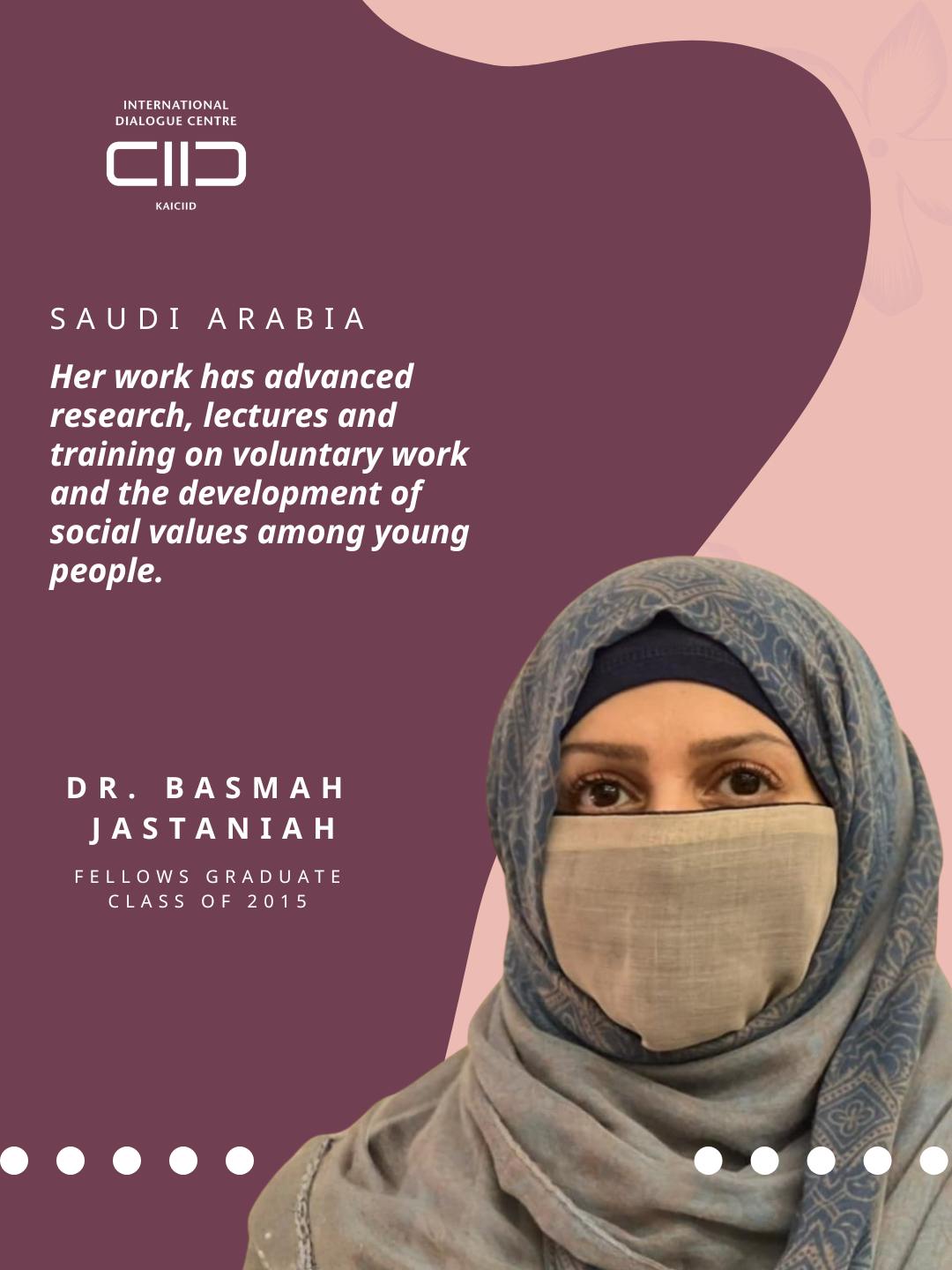
For Basmah Ahmed Jastaniah, a KAICIID Fellow alumni from Saudi Arabia, that gap is visible in the persistent social norms that continue to limit women’s participation in leadership and decision-making.
“One of the biggest barriers holding women and girls back today is persistent social norms that limit their participation in leadership and decision-making.”
Her words speak to the core of the issue. Across many contexts, the challenge is not simply access to education or legal recognition. It is the deeper structure of expectations, norms and power that still defines whose voice carries authority.
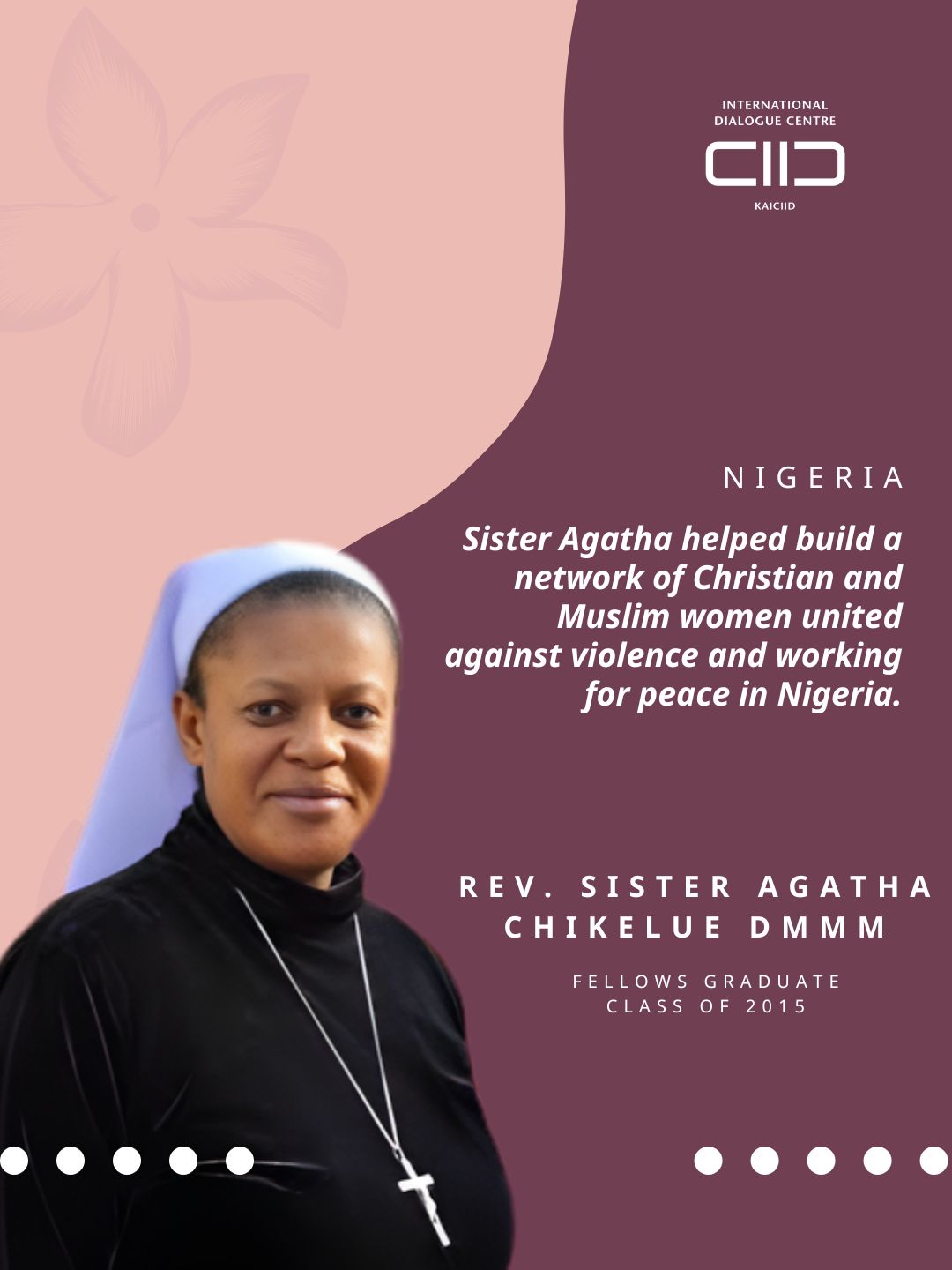
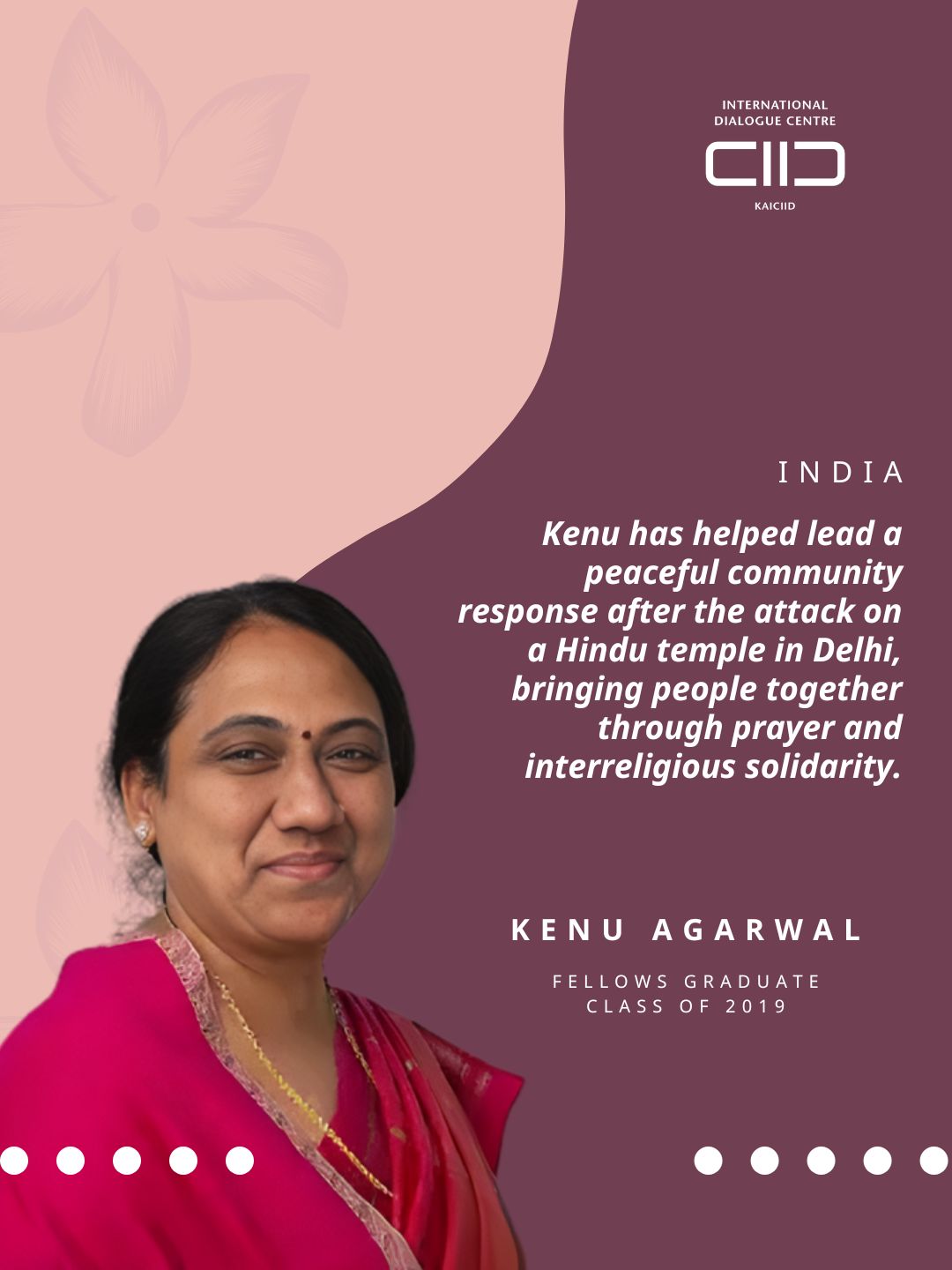
In Nigeria, for Sister Agatha O. Chikelue Sr. that same concern emerges in different moments of their lives, pointing to the combined weight of socio-cultural norms, economic inequality and insecurity, combined to continue to restrict women and girls access to education, leadership and protection from gender-based violence. For Kenu AgarwalI, a Fellow from India since 2019 and an active social, spiritual and political activist, a deeply entrenched patriarchal mindset still shapes women’s lives through unpaid care burdens, safety concerns, discrimination and exclusion from leadership roles within religious institutions.
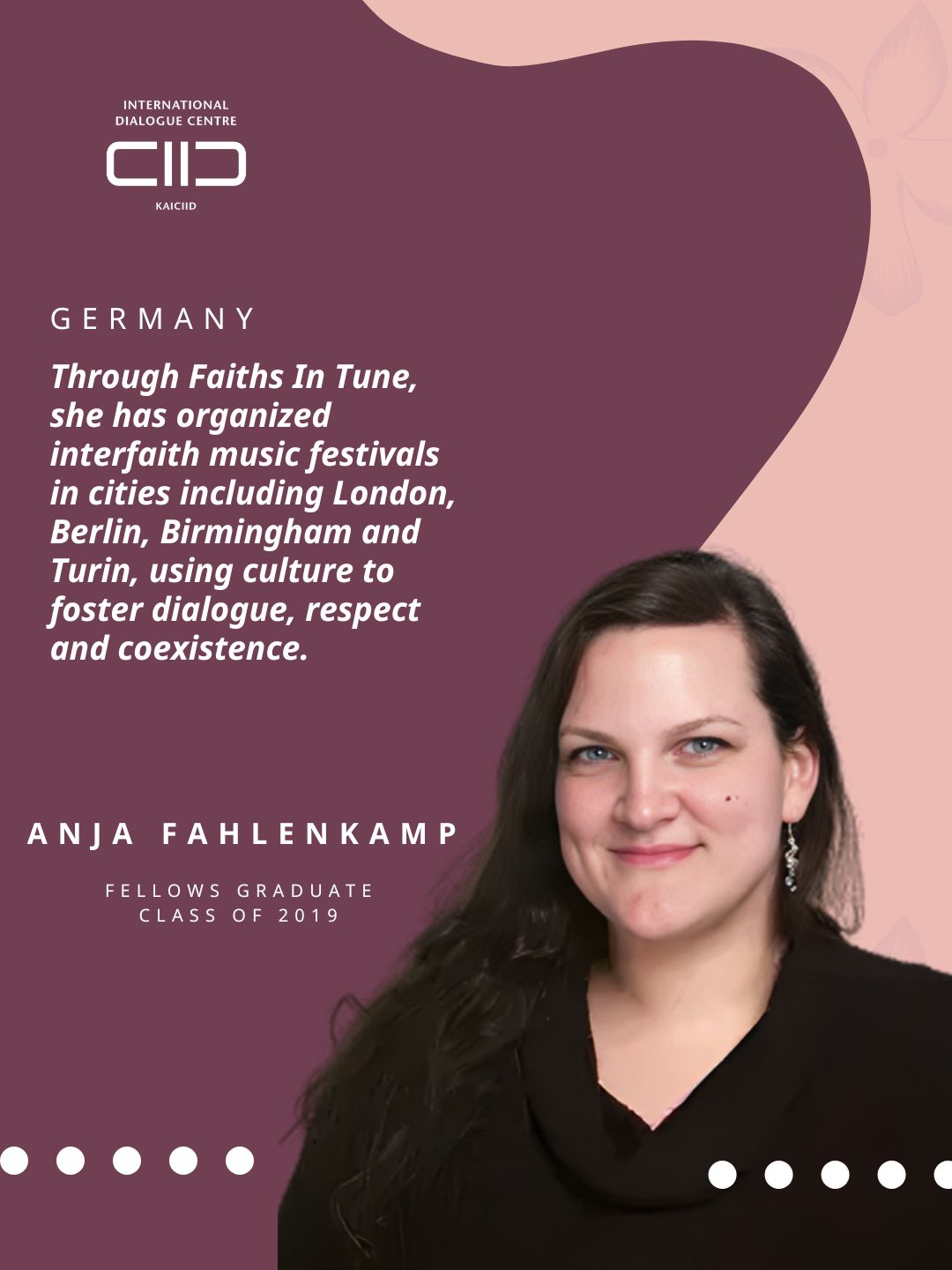
In Europe, Anja Fahlenkamp warns of something equally serious that is taking root at the moment: regression.
“So much of the progress that had been achieved on the rights of women and sexual minorities is being challenged or even reversed at the moment.”
Anja, Founding director of Faiths In Tune, an interfaith music initiative that celebrates cultural and religious diversity through live music and community engagement. points to a wider push, across Europe and beyond. This drift is challenging established legal language and threatening the rights of women, girls and people of diverse sexual orientations and gender identities. Her concern is not abstract. It is about what happens when rights once assumed to be secure begin to erode in public discourse.
Making the change and taking action: breaking down the barriers
For Basmah, bringing together women from diverse cultural and religious backgrounds in a space where they could discuss shared challenges, build confidence and strengthen their communication and leadership skills was the way forward. This drive took shape through Riyadh Cultures Dialogue, a community initiative she co-founded with her colleague Haya Alharfan. What mattered was not only the existence of a space, but what it produced, the ideas it brought to life.
“Many participants reported feeling more confident expressing their views in public discussions and more connected to women from different communities.”
The growing participation and feedback affirmed that the initiative was doing something many formal commitments still fail helping women find their voice, visibility and mutual support in practice.
That matters. Confidence is not something that can be pieced together. For women who have long been expected to remain quiet, deferential or absent from public discussion, confidence can be the inception of leadership. Basmah also points to another important result of dialogue: interreligious and intercultural engagement, it became easier to open respectful conversations with religious and community leaders on women’s rights and dignity, building the trust needed for more inclusive collaboration.
In many societies, women’s rights are not blocked only by the absence of policy. They are blocked by the absence of credible, trusted spaces where difficult issues can be discussed honestly. Dialogue, when done well, can help open those spaces.
A similar thread runs through Palin Teptat’s experience in Thailand. For her, the problem is no longer simply the recognition of women’s. In many cases, they are. The deeper issue is how those rights are interpreted, implemented, and, too often, reduced to symbolic inclusion rather than meaningful participation. Women may be present in public spaces, she suggests, but not yet treated as equal agents in shaping outcomes.
“We are no longer dealing mainly with practices of gender inequality, but with deeply rooted mindsets that continue to shape action.” She speaks.
She points out that the challenge now is implementation. Rights may exist in frameworks and statements, but cultural and social norms still determine whether women are heard, trusted and meaningfully included. That analysis is reflected in the initiative she led during Bangkok Climate Action Week 2025: Collaborative Climate Action: Faiths, Policy, and Youth – From Climate Action week to Bangkok to COP30. Endorsed by KAICIID and hosted by the Institute of Buddhist Management for Happiness and Peace Foundation, the conference brought together more than 80 participants from government, religious institutions, academia, civil society and international organisations.
For Palin, the fact that the event created an inclusive platform where women, especially young women, could engage directly with decision-makers on climate and policy questions that affect their futures. Participant feedback reinforced the need to strengthen women’s leadership and capacity in faith-based climate action, while the event itself demonstrated that women could lead high-level processes that influence cross-sector collaboration and policy conversations.
Dialogue as a route to credibility and leadership
Kenu Agarwal’s reflections describe how KAICIID’s training and engagement helped her move from the background into a more visible role as an interreligious and intercultural dialogue practitioner. Before that, Kenu was already active in peacebuilding work, although mostly in supporting capacity. The growing participation and positive feedback suggested affirmed that the initiative was doing something many formal commitments still fail to do: helping women find their voice, visibility and mutual support in practice.
That transition matters because one of the quietest barriers women often face is not formal exclusion alone but being expected to facilitate from the sidelines rather than shape the conversation itself.
“Through the training and engagement opportunities offered by KAICIID, I gained the confidence, knowledge and skills necessary to step forward and actively contribute as a dialogue practitioner.”
Through the EmpowHer initiative, supported by KAICIID and implemented across India, Austria, Finland and Nigeria, Kenu worked on strengthening the capacities of young women and youth on empowerment, leadership and gender equality. Her experience speaks to a quieter real barrier women often face: being provide with access with the expectation to remain supportive rather than influential. Her account shows how dialogue can also function as a ladder, helping women move from participation to leadership, from presence to credibility.
In Nigeria, Sister Agatha O. Chikelue Sr. speaks to the same need from a peacebuilding and governance perspective. Through the Nigeria Women of Faith Network, which she chairs, she has worked to support girls’ education and protection from early child marriage, spotlighting the role of trusted platforms.
“Interreligious and intercultural engagements have helped to create trusted platforms where religious and community leaders can jointly advocate for women’s rights, girls’ education and protection from violence.”
That is significant. In many settings, change is unlikely to come from one sector working alone. Where faith leaders, community leaders and women’s voices can engage together with credibility, the space for local advocacy becomes stronger and more legitimate. She points to growing community support for girls’ schooling and stronger local advocacy for women’s participation in peacebuilding. Just as importantly, she argues that trusted interreligious and intercultural platforms make it easier for religious and community leaders to advocate jointly for women’s rights, girls’ education and protection from violence.
What leaders need to do now
As International Women’s Month draws to a close, the women in this feature are not asking for recognition. They are asking for institutions, communities and leaders to take women seriously as decision-makers, peacebuilders and public actors.
Recent data from the United Nations Women, Peace and Security agenda states that Peace agreements with women's participation are 35% more likely to last at least 15 years, that means more than inviting women into the room. It means ensuring that their participation is meaningful, their leadership is supported, that the structures around them protect rights where they are under threat. It means enforcing laws where protections already exist but remain weak in practice. Invest in education and leadership. Create platforms where women and girls can speak and shape outcomes. Challenge the norms that still treat women’s participation as exceptional when it should be standard. Across different regions and realities, the demand is the same: women and girls must not simply be visible. They must be able to act, lead and influence the decisions that define peace, justice and public life.
Anja puts it plainly: rights rollback must be stopped. Basmah calls for stronger participation of women in community decision-making and leadership spaces. Sister Agatha argues for meaningful inclusion of women and young people in governance, peacebuilding and development processes. Palin points to the need to transform mindsets that still limit women’s participation in decision-making and public life. Kenu insists that education and resistance remain essential to dismantling patriarchal structures that continue to deny women their full place in society.
Taken together, these women voices offer a clear challenge. Women and girls must not simply be invited into the room. They must be heard, trusted and able to shape outcomes. Until that happens, rights may exist on paper, but justice will remain unfinished.
Profiles:
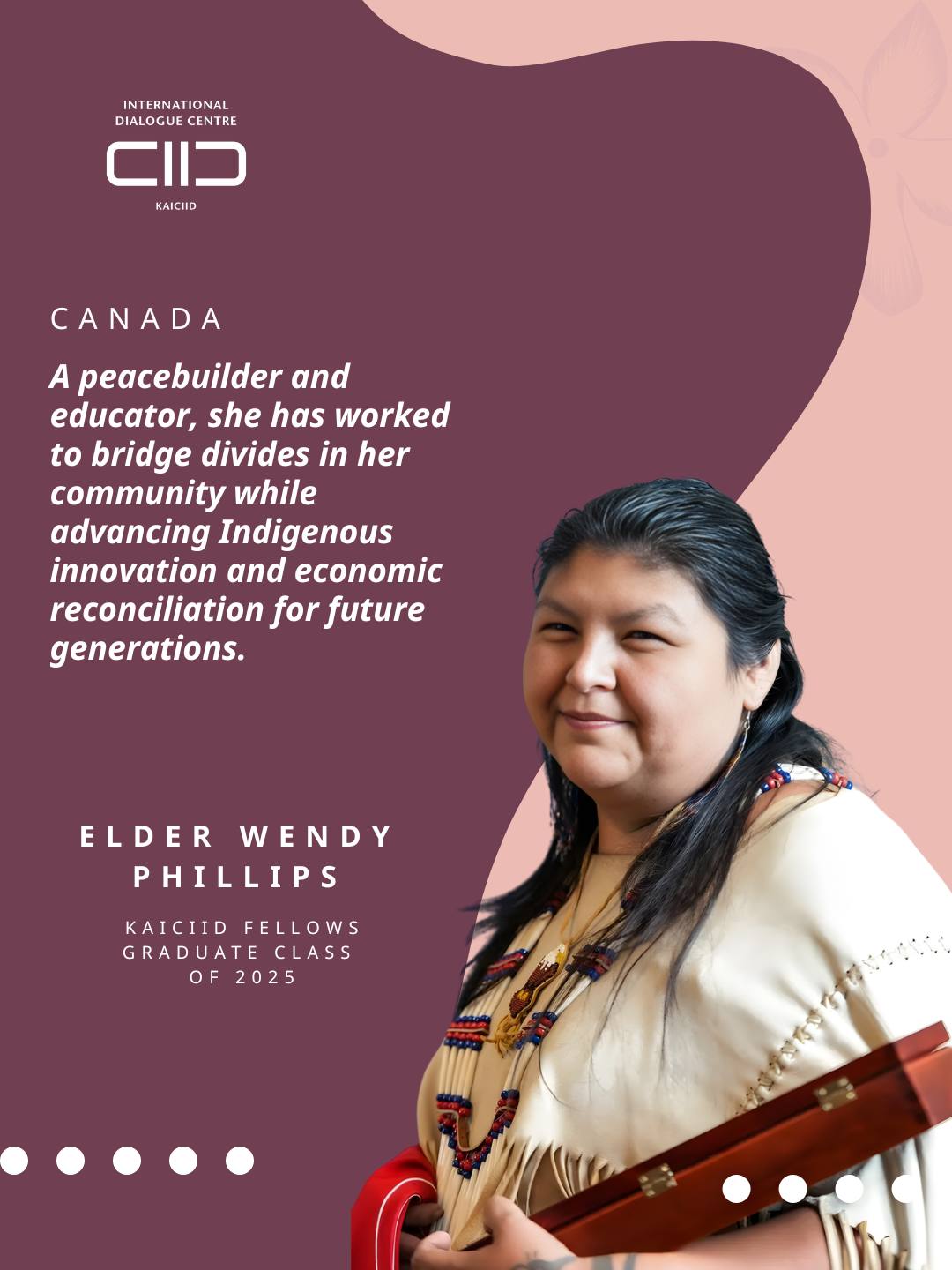
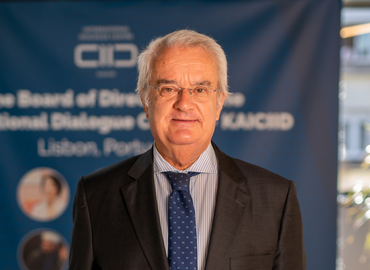
The international landscape is going through one of the most critical and turbulent periods…
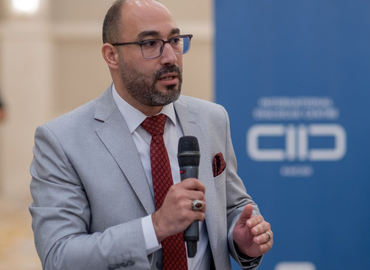
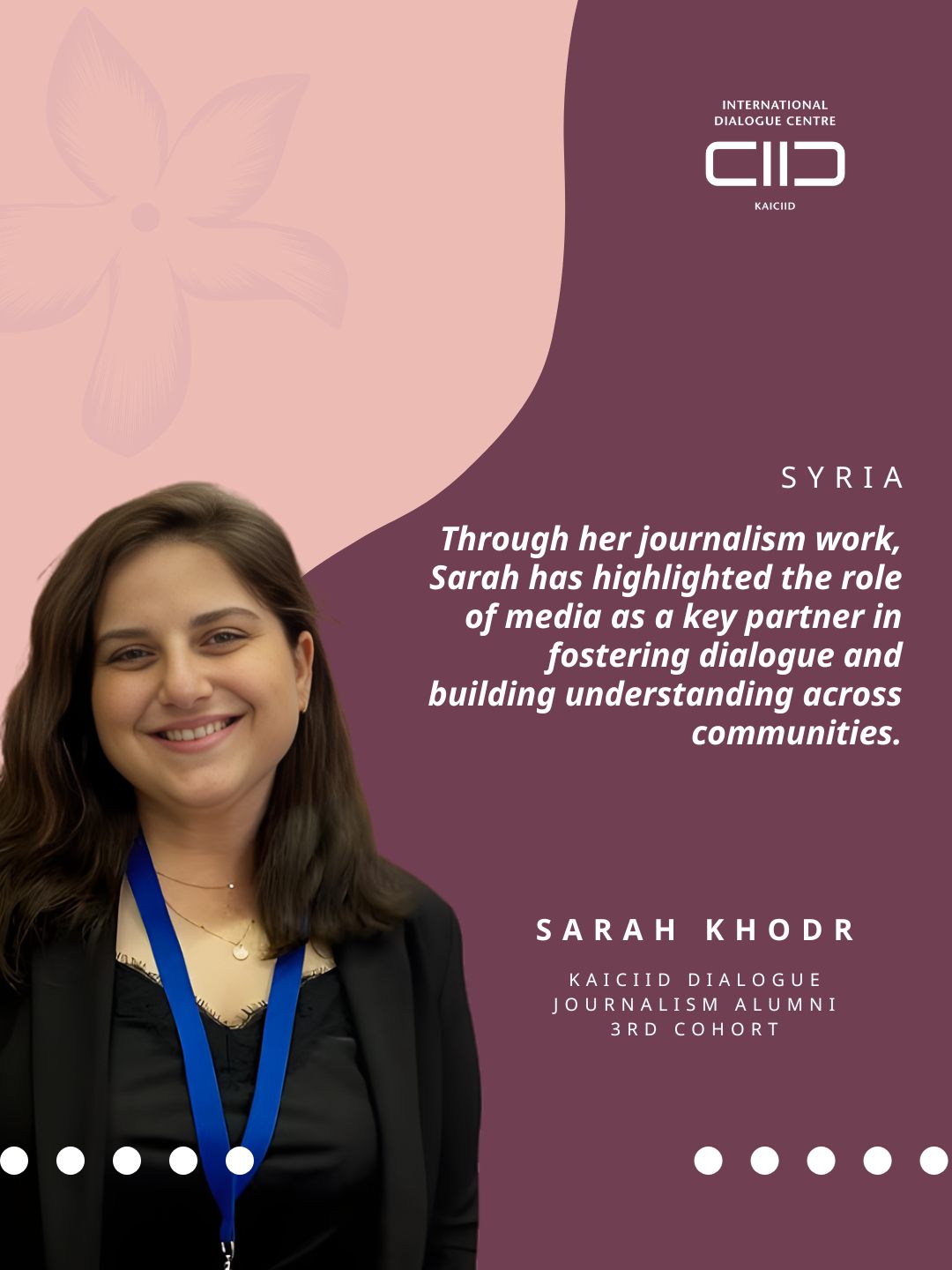
Hani Dawah, Deputy to the Senior Media Counsellor of the…