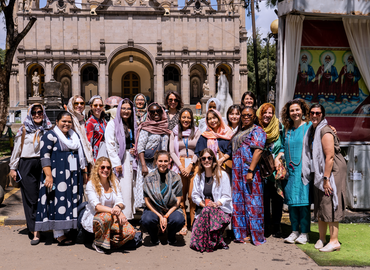
Interreligious Approaches for Peaceful Coexistence Spotlighted at UN New York Side Event

As discrimination, hate speech and identity-based violence continue to rise globally, a group of diplomats, UN officials, religious leaders and civil society representatives gathered in New York to reflect on how interreligious dialogue, grounded in human rights, can strengthen peaceful coexistence and prevent violence.
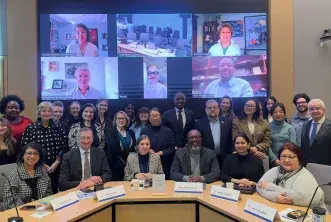
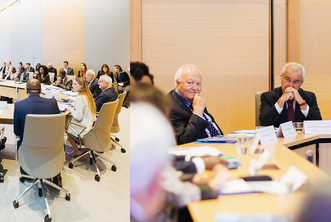
Marking the first commemoration of the International Day of Peaceful Coexistence, on 28 January 2026, the International Dialogue Centre – KAICIID convened a roundtable hosted at the Permanent Mission of Austria to the United Nations. Supported by the Permanent Missions of KAICIID's host country and Council of Parties, namely the Republic of Portugal, the Kingdom of Saudi Arabia and the Kingdom of Spain, the gathering brought together multilateral, regional and community-based perspectives on dialogue as a tool for peaceful coexistence.
Opening the roundtable, H.E. Ambassador Gregor W. Koessler, Permanent Representative of Austria to the United Nations, situated the conversation within a challenging global context. Setting the context with recent UN findings that report on unprecedented increases in religious hostility and violence against civilians, this has been accompanied by a growing strain to the shared values underpinning peaceful societies, rooted in the UN Charter and the Universal Declaration of Human Rights. Against this backdrop, it was further emphasized the need for interreligious, rights-based dialogue that reaches beyond conference rooms and into communities, where trust is built and tensions first emerge.
“The work we do here in New York must ultimately serve those building peace on the ground,” Ambassador Koessler said, welcoming the participation of religious leaders actively engaged in community-level peacebuilding.
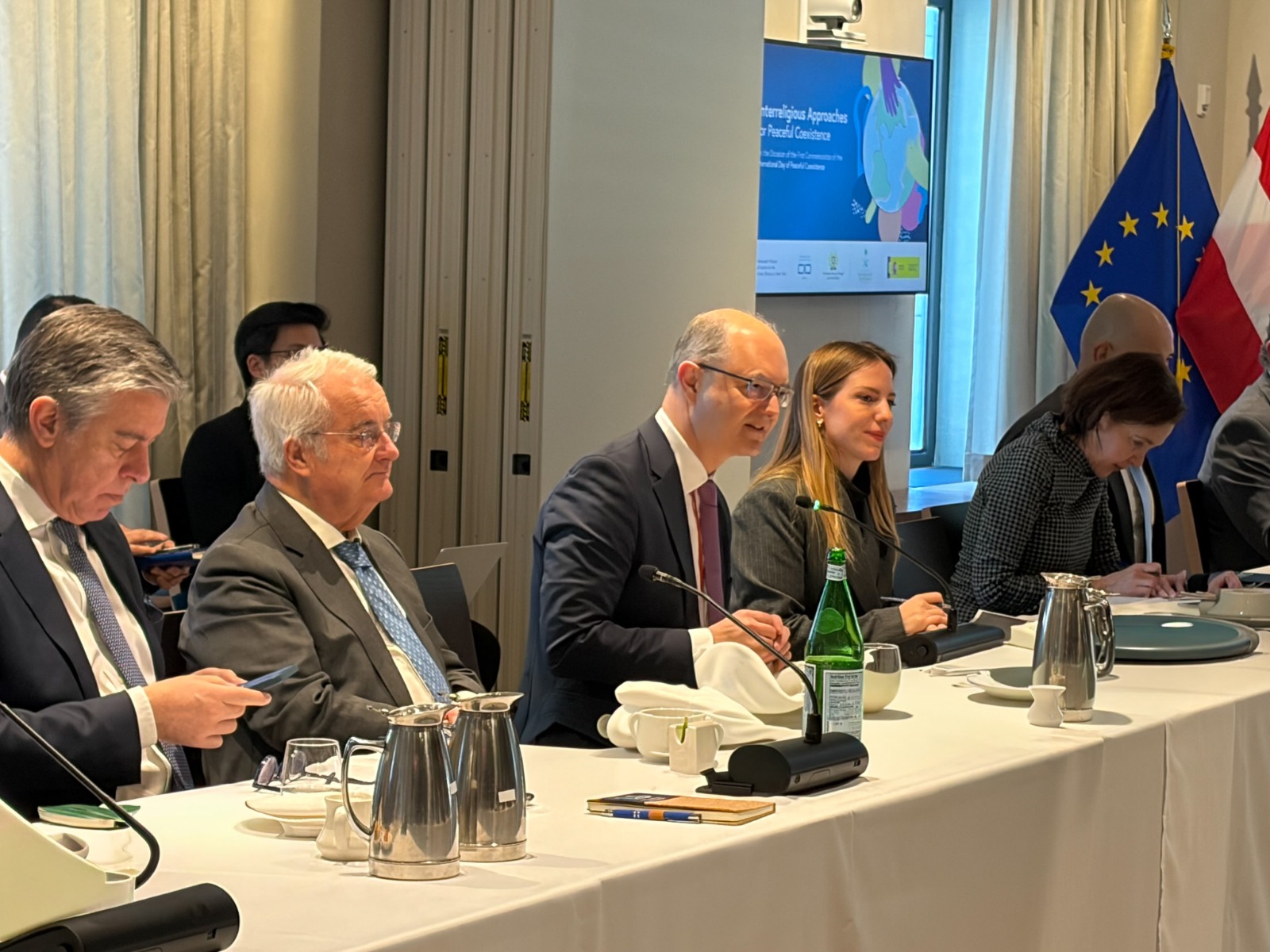
KAICIID’s Acting Secretary General, Ambassador António de Almeida Ribeiro, added that,
While crises and tensions persist, there is a growing global recognition of the essential role of dialogue in prevention, which aims to build resilient and peaceful societies. To realize this vision, KAICIID promotes interreligious and intercultural dialogue through its regional programmes and established platforms, networks, and communities of practice across Africa, the Arab region, Asia, Europe and increasingly in Latin America and the Caribbean.
Bridging global policy and local practice
The roundtable focused on how dialogue initiatives can connect UN policy frameworks with communities of practice, ensuring that prevention efforts are informed by lived realities. A keynote address by H.E. Miguel Ángel Moratinos, High Representative for the United Nations Alliance of Civilizations, emphasized the importance of multilateral cooperation with religious and civil society actors in addressing polarization and fostering inclusive societies.
The panel featuring leaders from KAICIID-supported interreligious platforms, including the Muslim Jewish Leadership Council (MJLC) in Europe and the Interreligious Platform for Dialogue and Cooperation in the Arab Region (IPDC), highlighted that effective dialogue in fragile contexts depends on locally rooted networks, credible conveners, and sustained engagement between faith actors and policymakers.
Drawing on KAICIID’s field experience, Ms. Vera Ferreira, Head of Programmes and Oversight, outlined the core elements that make interreligious platforms effective and replicable. These include the credibility and legitimacy of participants, dialogue processes tailored to local conflict dynamics, balanced and inclusive participation, and the creation of safe physical and psychological spaces that allow for honest engagement. She stressed that short-term initiatives are rarely sufficient, noting the importance of long-term institutional support and integration of dialogue platforms within educational, civic and policy-making structures.
Dialogue as a lived practice: perspectives from the ground
Community-based experience was at the heart of the discussion. Bishop Dr. Demetrios Charbak, member of the IPDC and Bishop of Banias in Syria, spoke about the role of dialogue in restoring hope, dignity and social cohesion after years of conflict. He emphasized that religions are meant to heal, not divide, and shared concrete examples of IPDC-supported initiatives across the Arab region from training journalists to counter hate speech, to empowering women and young people, and fostering interfaith cooperation.
Reflecting on Syria’s experience, Bishop Charbak described how interreligious initiatives supported by KAICIID had created rare spaces for encounter and trust, even amid extreme hardship. He underlined that peace is not only the absence of violence, but the presence of understanding, empathy and shared responsibility.
From a European perspective, Imam Yahya Sergio Yahe Pallavicini, Co-Vice President of the Muslim Jewish Leadership Council (MJLC), highlighted how sustained Muslim–Jewish cooperation has helped counter antisemitism and anti-Muslim hatred while offering a new model of public diplomacy. Established with KAICIID’s support, the MJLC brings imams and rabbis together to engage policymakers on education, human rights and social cohesion.
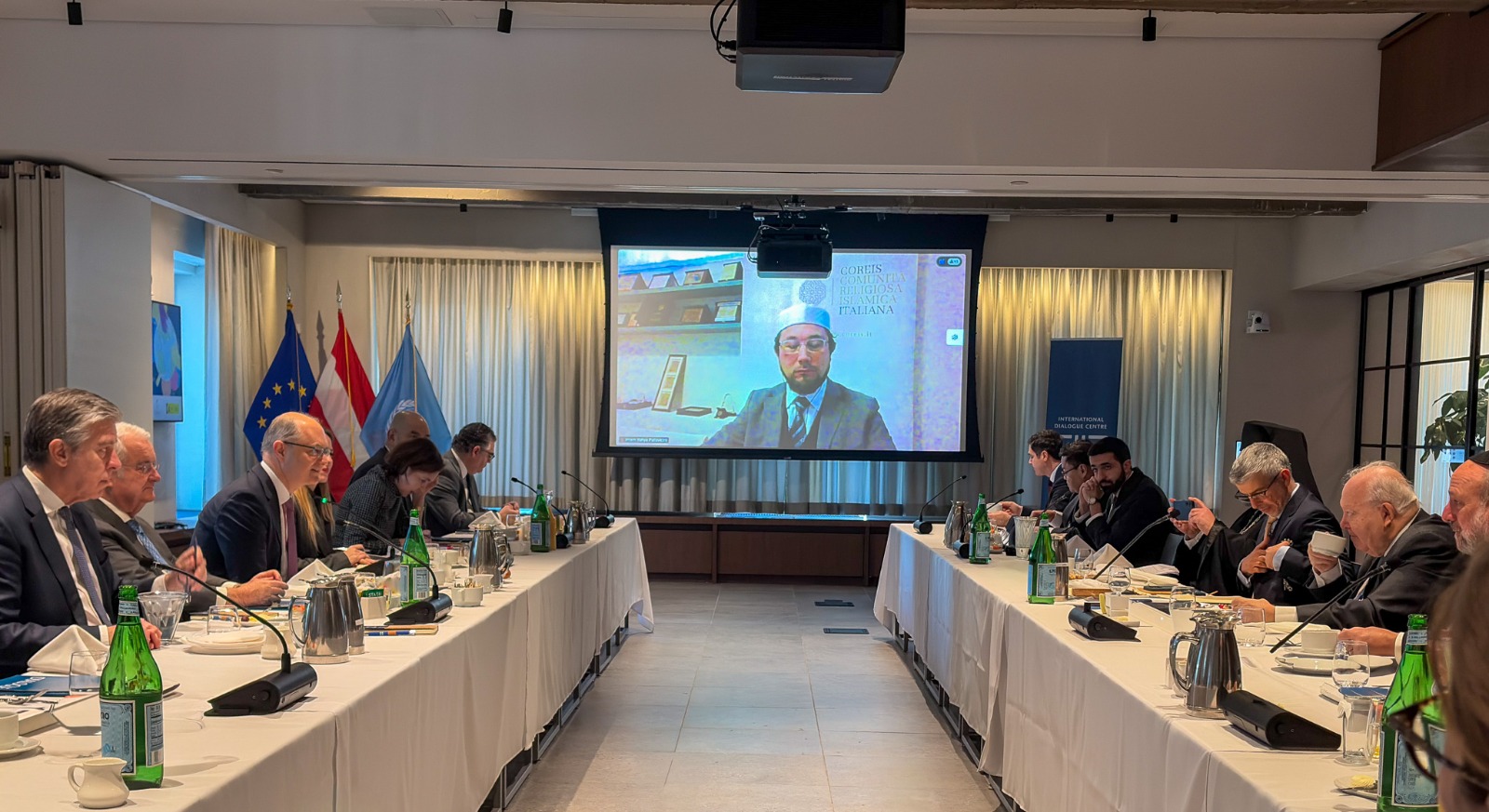
Imam Pallavicini stressed that there is no “one-size-fits-all” model for dialogue, but that principles such as mutual respect, shared citizenship and religious dignity can be adapted across contexts. “Peaceful coexistence,” he noted, “is inseparable from human dignity and religious pluralism.”
Chief Rabbi of Poland, Deputy-Chair of the Muslim Jewish Leadership Council (MJLC),Rabbi Michael Schudrich reiterated the importance of standing together despite our differences which is the embodiment of peaceful coexistence.
From dialogue to prevention
Across the discussion, participants emphasized that values alone are not enough. Dialogue initiatives that lead to durable coexistence are those that are inclusive by design, reach beyond capital cities, and invest in capacity building for both religious actors and public officials. Practical examples shared during the roundtable illustrated how interreligious platforms help reduce tensions, coordinate responses to hate incidents, and provide early warning signals that allow authorities and communities to de-escalate risks before violence occurs.
Several speakers pointed to concrete cooperation models that could be replicated, including ongoing connected mechanisms between Permanent Missions and faith leaders, training on conflict-sensitive communication and joint social cohesion campaigns during periods of heightened tension. Participants also highlighted the need for consistent resourcing, including support for monitoring, learning and documentation, to ensure that effective dialogue approaches can scale and inform policy.
H.E. Dr. Chaloka Beyani added that “peaceful coexistence is not a chimera. It is achievable and it can work. But it is only possible if we are committed to it”.
Strengthening engagement with the UN system
The side event formed part of a broader KAICIID mission to New York aimed at strengthening partnerships with Permanent Missions and UN entities, while showcasing the Centre’s added value within the multilateral system. Later the same day, KAICIID and the UN Office on the Prevention of Genocide renewed their Memorandum of Understanding, reinforcing cooperation on early warning, community engagement and the prevention of identity-based violence.
The international landscape is going through one of the most critical and turbulent periods…
Hani Dawah, Deputy to the Senior Media Counsellor of the…