In Addis Ababa, KAICIID Fellows Move from Dialogue Theory to Practice

First in-person training of the 2026 Fellows Programme convenes global practitioners in Addis Ababa, home of the African Union
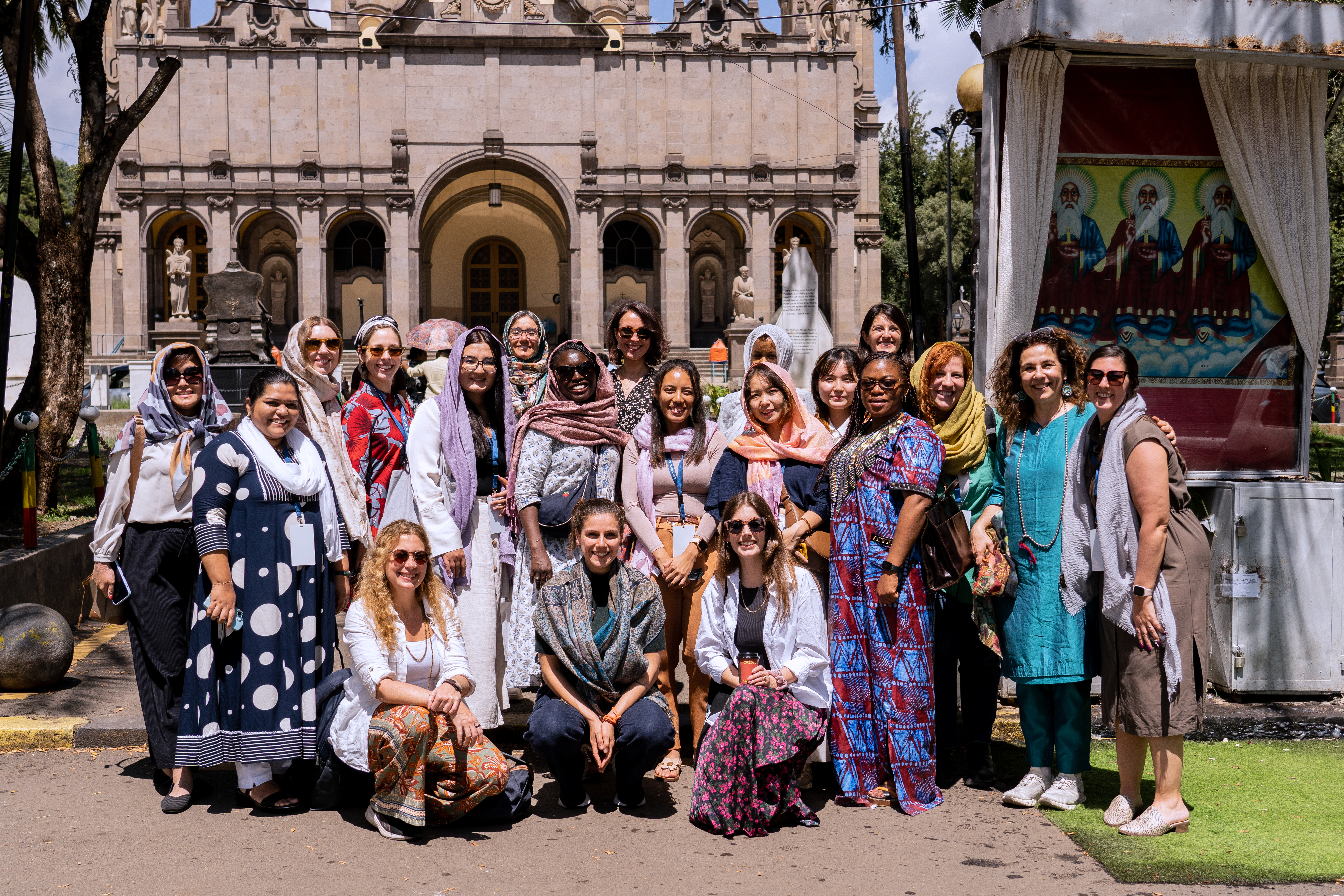
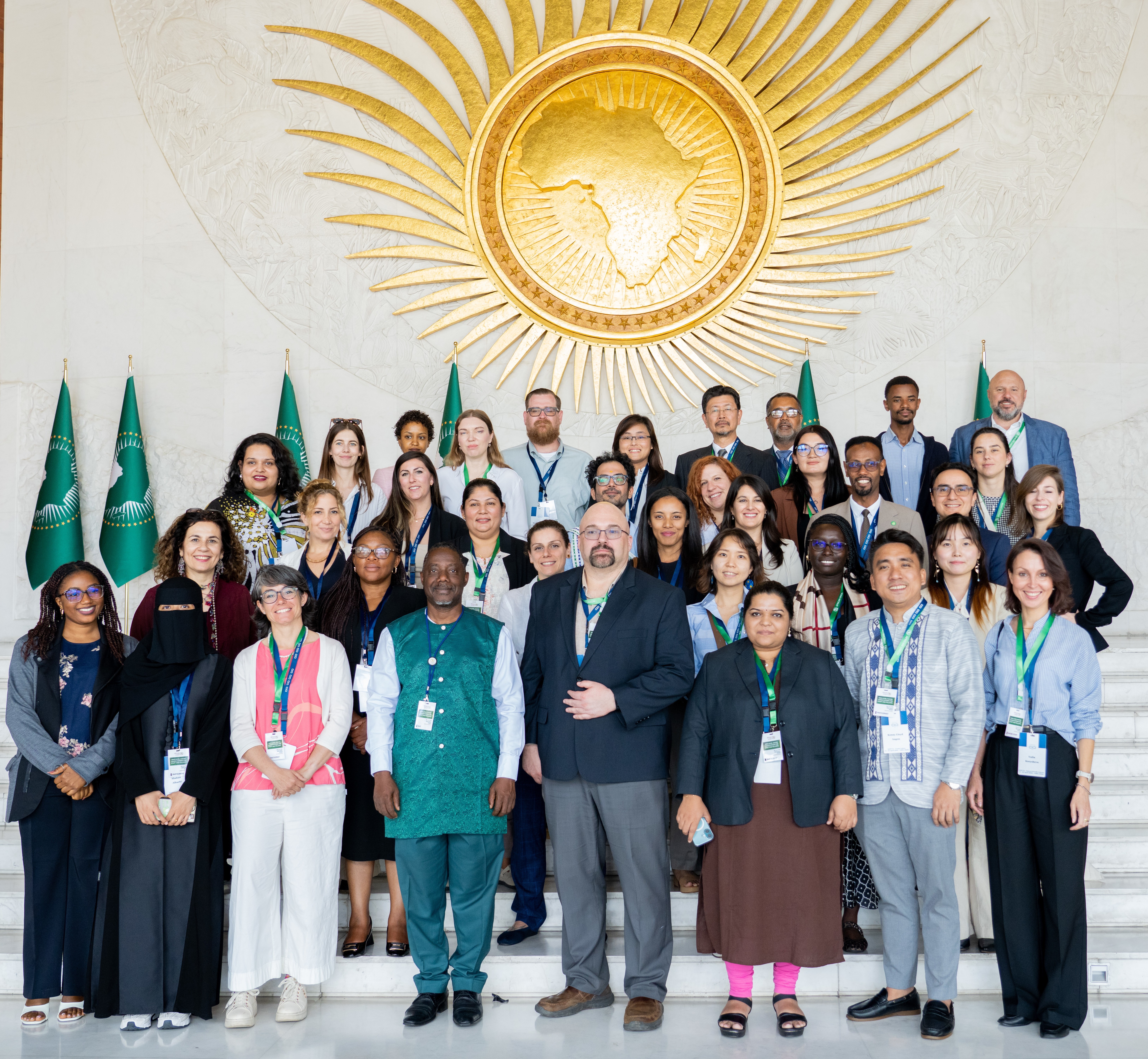
KAICIID's 2026 Fellows gathered in the "Land of Origins", Ethiopia, to kick off a key part of their journey. With training, that combines facilitation practice, site visits, institutional engagement and peer learning, the Fellows got a chance to develop in one of Africa's most important diplomatic centres.
This year's Fellows are organised into two international cohorts: the first cohort composed of educators, religious leaders and dialogue practitioners, while the second focuses on leaders of youth-focused organisations working nationally and internationally.
A week of practice, reflection and institutional exposure
From 17 to 22 April 2026, 28 Fellows from the two groups gathered in Addis Ababa for a pivotal moment in the year-long programme that defines the fellowship. The training marked the transition from online learning to hands-on dialogue practice. Designed to build trust, strengthen facilitation skills, and accelerate the development of each Fellow's final initiative concept. Sessions covered the core principles and methodologies of interreligious and intercultural dialogue, including facilitation design, conflict dynamics, compassionate listening, ethics and safeguarding, and results-based management. For the Youth-Focused Organisations cohort, close attention was given to youth agencies, intergenerational dynamics and duty of care.
"The KAICIID team provided a safe and inclusive environment to learn practical dialogue skills and engage with diverse participants. The combination of theory, reflection, and field visits made the experience very meaningful." — KAICIID Fellow, 2026
Addis Ababa, intentionally chosen due to it's importance as the seat of the African Union and a hub for continental peacebuilding and governance frameworks, the city provided Fellows with direct exposure to the institutions and policy realities that shape the environment in which they work. Ethiopia's capital was also selected for its rich religious and cultural landscape. Home to ancient Ethiopian Christian and Jewish communities, a significant Muslim population, active Baha'i and Rastafari communities, its is known by longstanding interreligious cooperation mechanisms, including the Interreligious Council of Ethiopia.
Connecting dialogue to institutions and communities
A highlight of the training was its emphasis on structured institutional engagement. On 19 April, Fellows visited key religious and cultural sites in Addis Ababa, including Grand Anwar Mosque, Holy Trinity Cathedral, the Beta Israel Jewish Community Centre and the National Museum. These visits integrated into the learning process, with Fellows reflecting on how religious identity, memory, heritage and community spaces shape dialogue in practice.
"Seeing dialogue modelled in action during visits with religious communities, faith leaders and institutions in Addis Ababa grounded the learning in real-world contexts." — KAICIID Fellow, 2026
The following day, Fellows participated in a series of institutional visits at the African Union Commission, engaging directly with the Citizens and Diaspora Directorate, the Political Affairs, Peace and Security Department, the Health and Humanitarian Affairs Directorate, and the Women, Gender and Youth Directorate, all governing bodies that have worked with KAICIID in advancing Intracultural and Interreligious Dialogue across several countries of the African Region. Fellows had a chance to engage directly with United Religions Initiative and the Interreligious Council of Ethiopia, broadening their understanding of how faith-based actors operate within regional and national policy frameworks. Later in the week, as training continued, Ethiopian Fellows Alumni, representatives of youth-focused organisations, the Addis Ababa Office of the Baha'i International Community, and members of the Rastafari community brought together perspectives from practitioners already applying dialogue in local contexts. Through these exchanges, Fellows were able to learn from practitioners working directly in interreligious engagement, youth leadership, peacebuilding and community-level dialogue. A screening and discussion of the documentary The Imam and the Pastor offered a further opportunity to reflect on the role of religious leaders in peacebuilding.
A meaningful conversation with KAICIID leadership
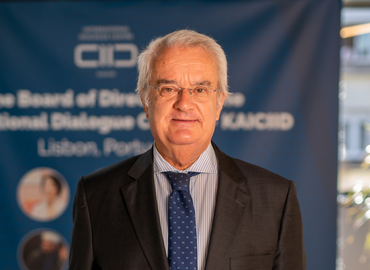
On 18 April, KAICIID's Acting Secretary General joined the Fellows for a dedicated session on leadership perspectives in interreligious and intercultural dialogue, offering an opportunity for direct exchange between institutional leadership and the cohort. Later that evening, the Acting Secretary General joined Fellows for a traditional Ethiopian dinner with a cultural programme, providing an informal space for connection, cultural exchange and relationship-building.
"Being here in Addis Ababa is particularly significant. As the seat of the African Union, this city represents an important hub for continental dialogue on peace, governance and cooperation," said Ambassador António de Almeida Ribeiro, KAICIID Acting Secretary General, during his engagement with the Fellows. "Your presence here offers a unique opportunity to connect your learning with ongoing policy discussions and institutional efforts shaping the future of the region."
The engagement underscored KAICIID's commitment to maintaining a close relationship between its leadership and the practitioners it supports, a reflection of the Programme's broader ethos that dialogue must be modelled as well as taught.
Building a global community of practice
The Fellows Programme, now in its eleventh year, has trained more than 555 alumni across 100 countries.
Through a blended format combining in-person intensives, live online sessions with global experts and e-learning, the Programme equips Fellows to design and facilitate dialogue initiatives within their own institutions and communities. Each Fellow receives a grant to implement a concrete initiative upon completing training, ensuring that learning translates directly into practice.
"Having only connected online before, I came to Addis Ababa hoping to form closer bonds with other Fellows, and the week truly exceeded all my expectations." — KAICIID Fellow, 2026
Addis Ababa's training also served as a space to refine initiative concepts through peer review and coaching, aligning dialogue design with contextual and ethical considerations and KAICIID's programmatic priorities.
An opportunity to renew the partnership with African Union
Beyond the Fellows training itself, KAICIID's mission to Addis Ababa also included broader institutional engagement with the African Union Commission, including the renewal of the Memorandum of Understanding between the two institutions, reaffirming a partnership that has been active since 2013, and a high-level roundtable on "Fostering a Culture of Transformative Dialogue in the Africa Region." While these institutional engagements reinforced KAICIID's long-standing partnership with the African Union, they also helped frame the Fellows training within a broader continental conversation on peace, social cohesion and the role of dialogue in strengthening communities.
The international landscape is going through one of the most critical and turbulent periods…
Hani Dawah, Deputy to the Senior Media Counsellor of the…