“How can we have more inclusive cities?” Youth Leaders Explore How Dialogue Can Be the Answer

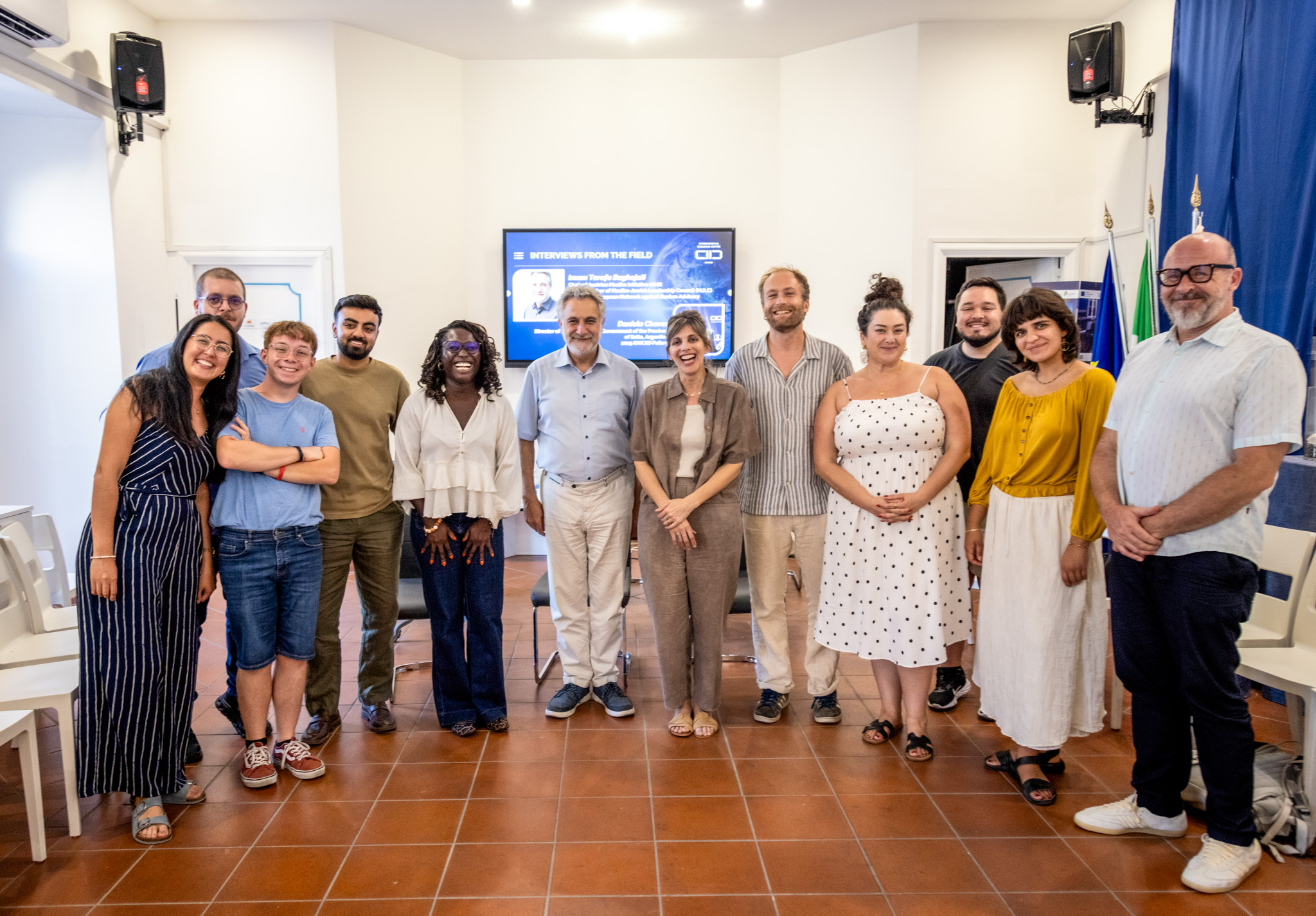
At the 5th ICCAR-UNESCO Youth Bootcamp in Sicily, KAICIID brought interreligious and intercultural dialogue to the heart of the conversation, equipping young leaders with practical approaches they can take back to their communities.
With thirty young people from around the world gathered in Palermo and Ustica for the fifth edition of the ICCAR-UNESCO Youth Bootcamp, this year’s Bootcamp sought to prepare young leaders to contribute to more inclusive and sustainable cities.
Taking the lead on 3 September, the International Dialogue Centre - KAICIID co-designed a full day dedicated to interreligious and intercultural dialogue, one of the central themes of this year’s Bootcamp. It marked the Centre’s second participation in the project.
The day brought together participants aged 20 to 30 working across civil society, local government and the private sector. Through interactive exercises, discussions and group work, attendees explored how religion, belief, identity and culture shape communities, and how dialogue can help address differences before they grow into deeper divisions.
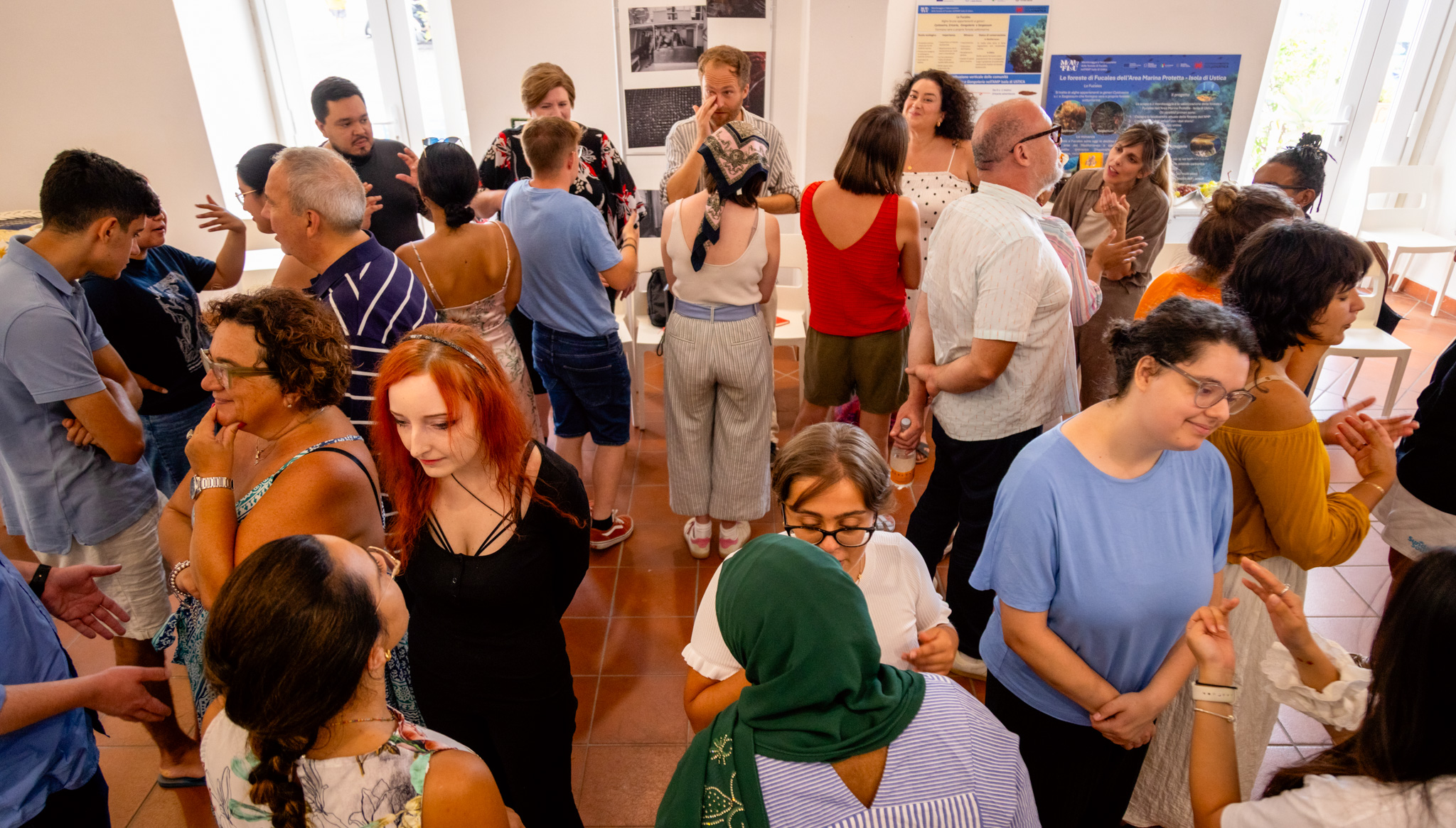
Led by Tim Mortimer, Programmes Officer for KAICIID’s Europe Region, and Ana Có, Programmes Officer for KAICIID’s International Fellows Programme, the day encouraged participants to begin with their own experiences of identity and belonging before examining the wider communities and cities in which they live.
Activities ranged from exercises exploring personal and collective identities to conversations around religious literacy and practical approaches to managing challenging moments in diverse communities. Imam Tarafa Baghajati, a Board Member of the Muslim Jewish Leadership Council, and Daniela Chavez, a KAICIID Fellow, also shared their experiences of religious communities and civil society working together at the city level in Austria and Argentina.
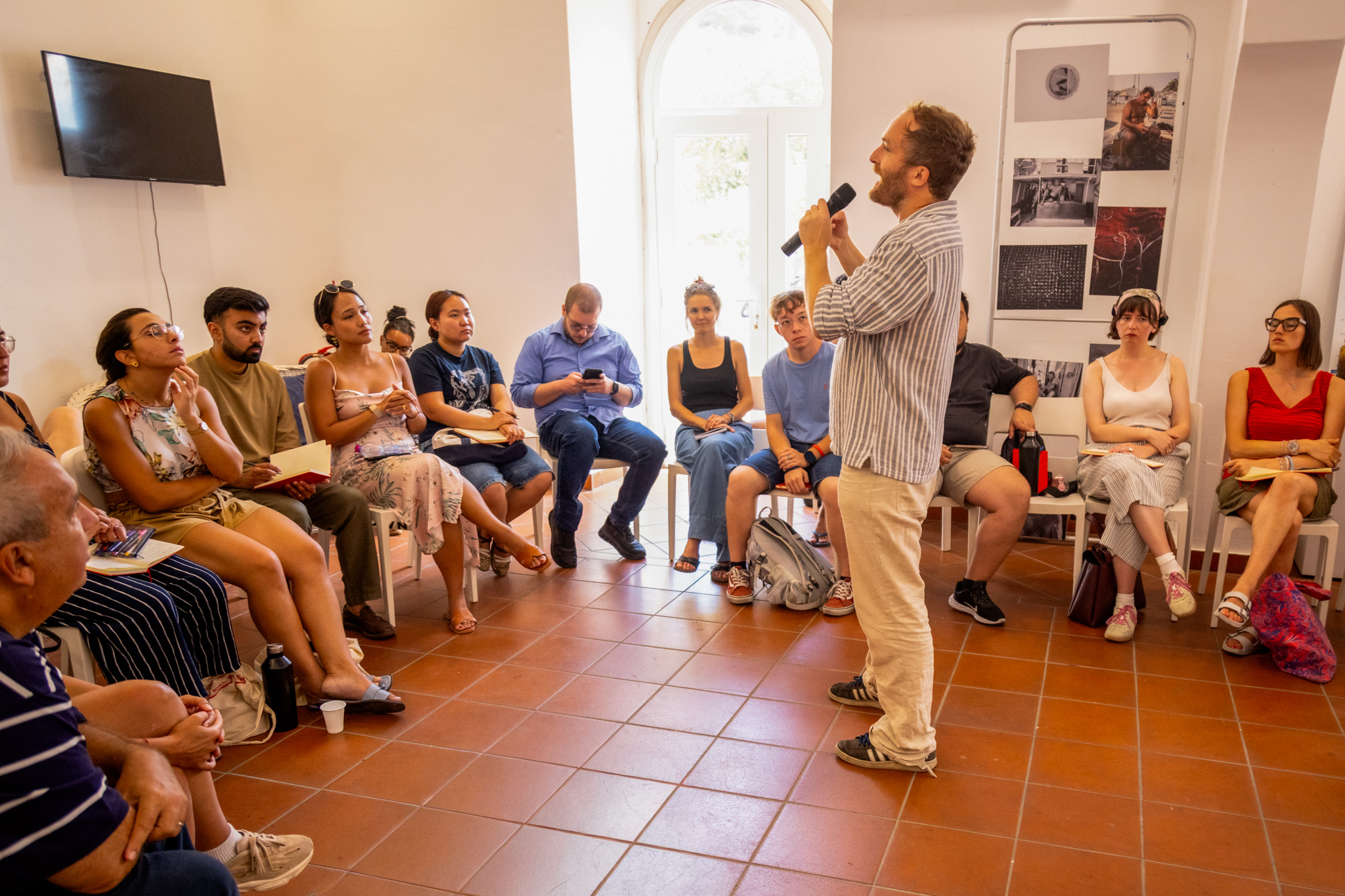
“The people who end up managing religious diversity in a city do not always have the knowledge or skills to do so effectively: an equalities officer, a school head, a housing team. That is the reason religious literacy is vital. What we try to do in a day like this is give young people a method they can actually use to open up and address questions about religion, and the confidence to utilise that method before a situation becomes a crisis, rather than after,” said Tim Mortimer, Programmes Officer for the Europe Region at KAICIID, who led the conversation during the day.
The emphasis throughout the training was on dialogue as a practical skill rather than an abstract concept. Participants considered situations in which differences around religion, culture or identity can affect schools, neighbourhoods, public institutions and community relationships, and explored ways of responding through listening, engagement and structured dialogue.
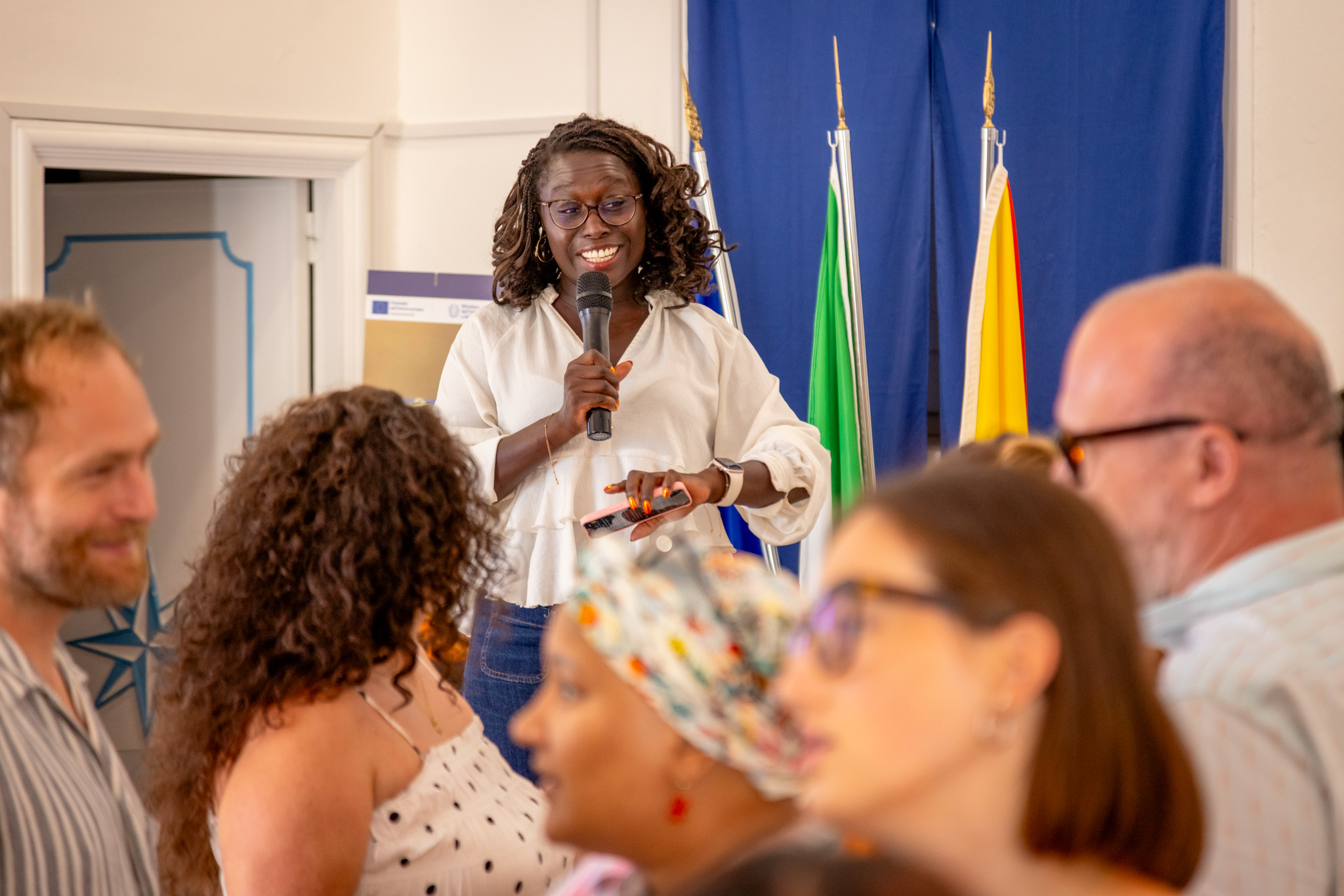
“Through the practical activities we are sharing today, such as storytelling, exercises and honest conversations, participants had a chance to reflect on identity, religious literacy, culture and dialogue, going beyond theoretical concepts and seeing them as skills that really help us listen across differences, challenge discrimination and contribute to communities that include everyone,” added Ana Có, Project Officer, KAICIID’s International Fellows Programme.
The day concluded with a brief introduction to Dialogo, KAICIID’s own board game and an example of a tool that helps participants navigate conversations across disagreement.
“I found the Bootcamp experience insightful, particularly because of the diversity of perspectives, experiences and professional backgrounds represented. The opportunity to engage with participants and speakers working on racism, discrimination, social cohesion and related issues from different contexts was one of the strongest aspects of the experience.”
Azmaira Alibhai, KAICIID Fellow and Bootcamp Participant
KAICIID also supported the participation of five young people from across its networks, including representatives from the International Fellows Programme, the Arab Region Programme through Dialogue360, and the Europe Region Programme’s Catalysts for Cohesion Project.
The wider Bootcamp, organised within the ICCAR-UNESCO network and produced by Nova Project, explored the role of cities in advancing inclusion, human rights and sustainability. Other themes centred on combating discrimination, artificial intelligence and inclusion, environmental sustainability, social justice and leadership for inclusive communities.
The 2026 edition, titled “Building DiverCity, from what we inherit,” moved between Palermo and Ustica, bringing participants together with experts and practitioners while combining workshops, discussions and shared community experiences.
The Bootcamp is closely aligned with the United Nations 2030 Agenda, particularly Sustainable Development Goal 11 on inclusive and sustainable cities, alongside goals addressing reduced inequalities, peace and inclusive institutions, education, partnerships and climate action.
Imagine Europe without the European Convention on Human Rights. No Court in Strasbourg to…