
From Volunteer to Visionary: How A Young Catholic from The Philippines Is Reshaping Southeast Asia's Interreligious Landscape with KAICIID

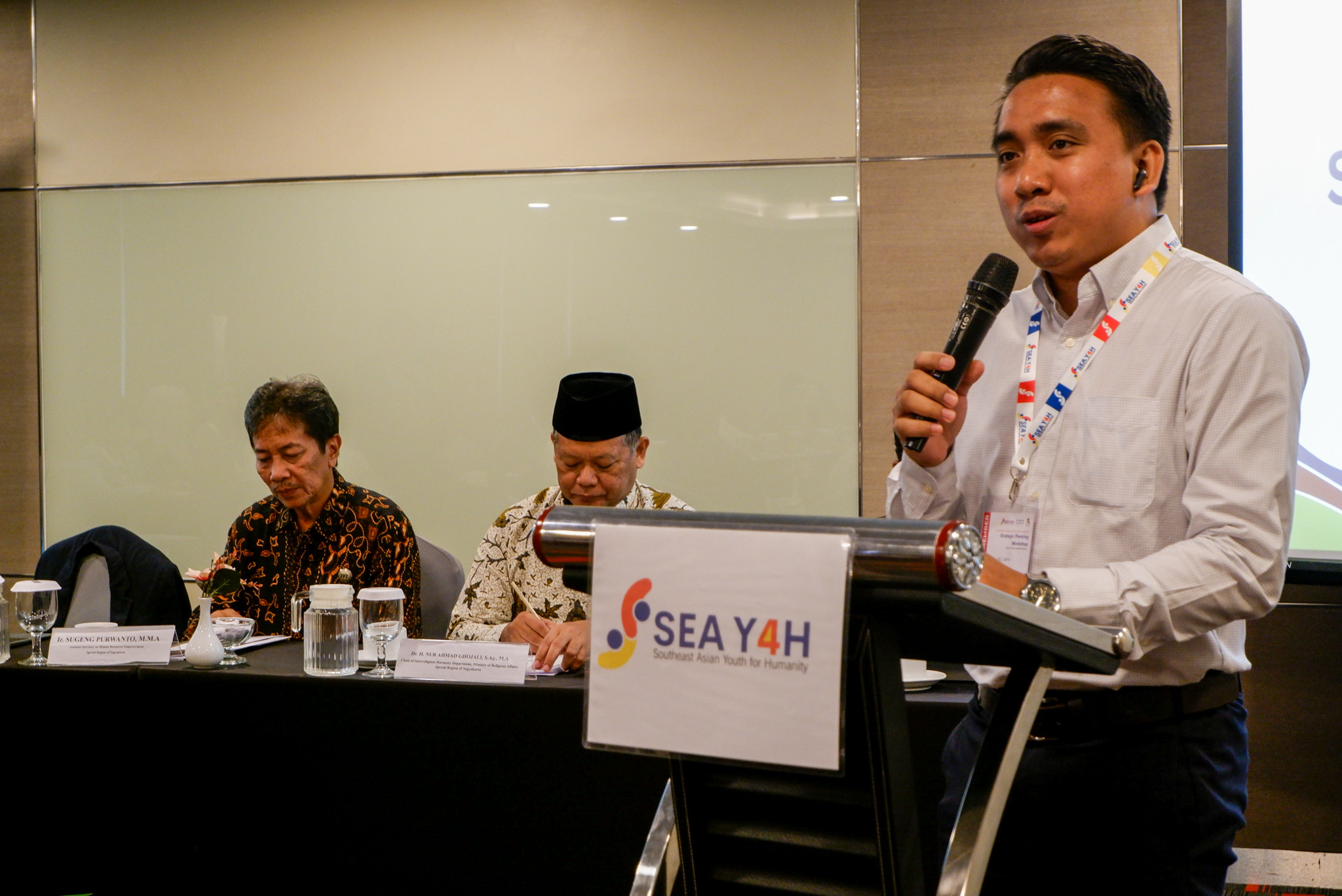
From a volunteer facilitator in Bangkok to convenor of a regional youth network, Kenny Lloyd Lucina Angon demonstrates what happens when KAICIID's mandate meets a leader who transforms dialogue into tangible change.
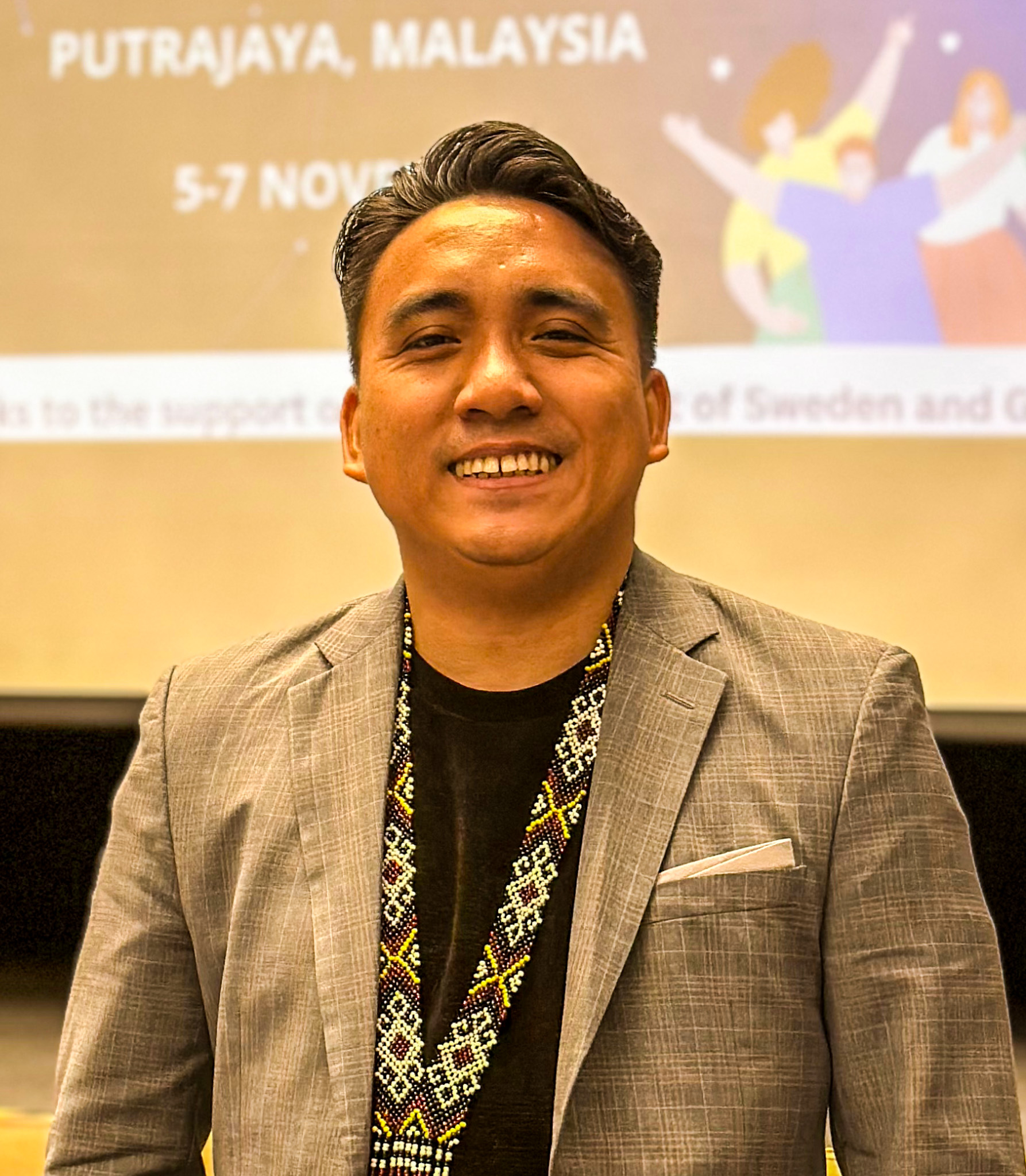
Kenny Lloyd Lucina Angon
A Personal Mission Rooted in Complexity
Kenny Lloyd Lucina Angon's background is anything but linear. He is a Roman Catholic of Mandaya Indigenous Peoples tribe descent, working at an Islamic institute within a Catholic and Jesuit university. This intersectional identity makes dialogue less a theoretical concept and more a daily practice.
"My faith and cultural roots are woven into everything I do. Dialogue isn't a project – it's my professional and personal reality."
Kenny remembers the moment he first encountered KAICIID. It was 2018, and he was still a young educator navigating volunteer work in Mindanao whilst juggling his full-time role as a teacher. What caught his attention was a conversation with his long-time mentor, Datu Mussolini Sinsuat Lidasan, a 2016 KAICIID Fellow and now his colleague at the Al Qalam Institute for Islamic Identities and Dialogue in Southeast Asia. That conversation sparked something neither anticipated. Today, Kenny is no longer a volunteer on the side lines.
Through KAICIID, Kenny deepened his understanding of faith traditions rarely encountered in his own community. Visits to temples and churches, exchanges with Buddhist monks and Hindu scholars, and interfaith programming have helped him frame a broader, more inclusive vision of peacebuilding, one that extends beyond Mindanao's Christian-Muslim-Indigenous triad.
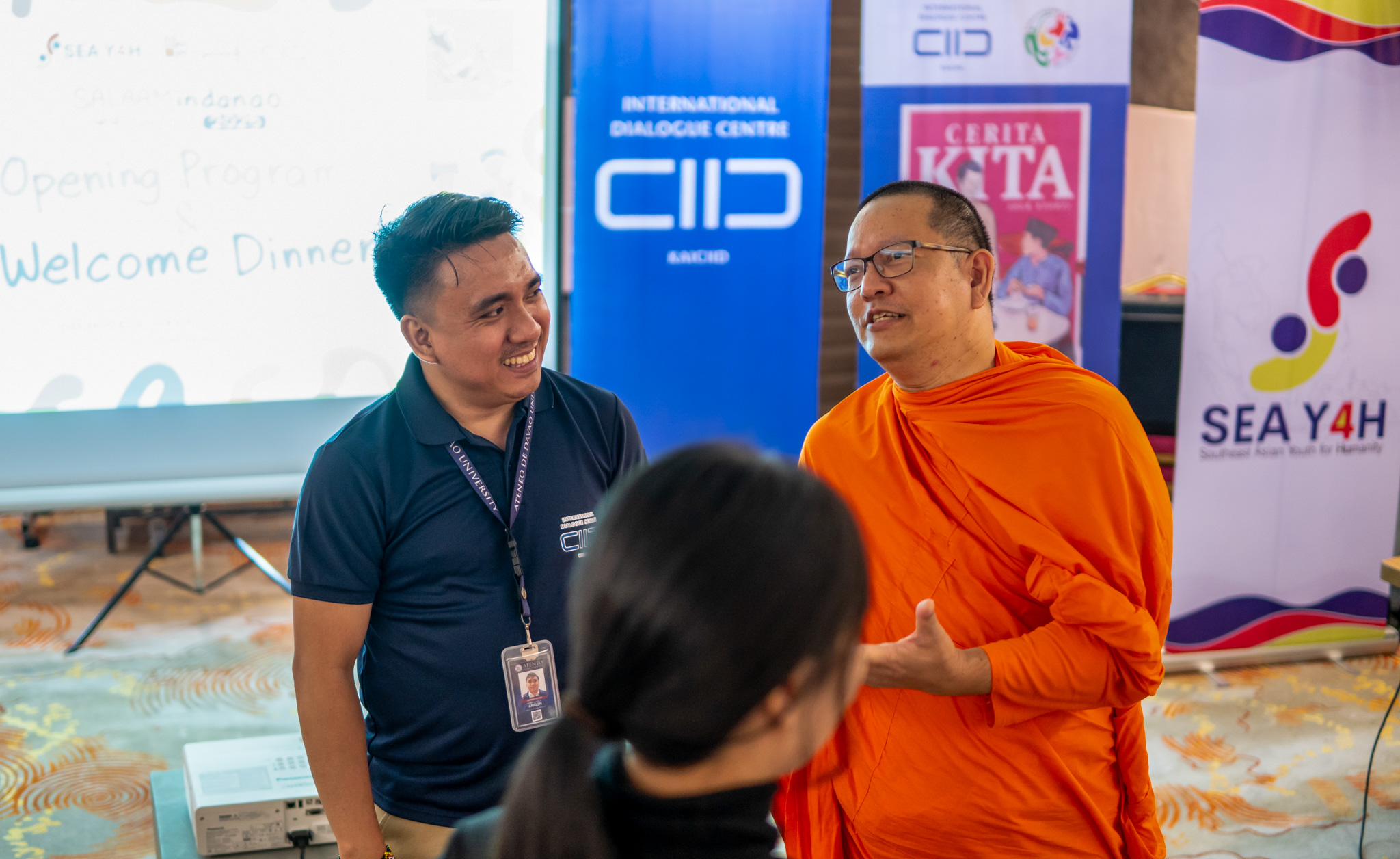
Kenny with KAICIID Fellow Venerable Napan Thawornbanjob of IBHAP Foundation in Bangkok
Now, as Deputy Executive Director of the Al Qalam Institute at Ateneo de Davao University, he leads interreligious and intercultural dialogue work across the Philippines especially in Mindanao. Thanks to KAICIID's institutional support, he has emerged as a regional force behind a new generation of peacebuilders.
From Bangkok to Davao: Building a Youth Platform That Lasts
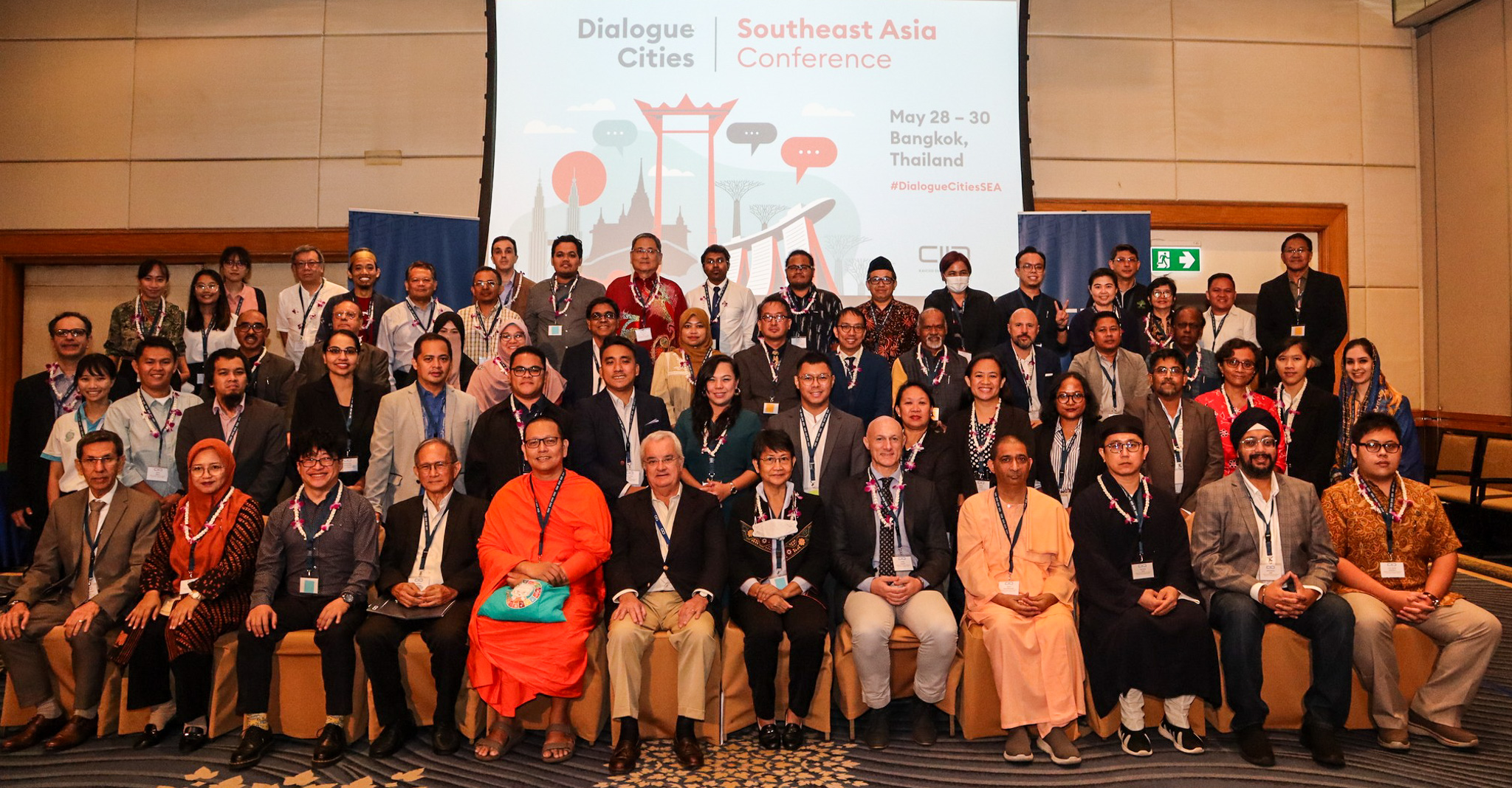
Group photo during the 2023 Dialogue Cities SEA Conference in Bangkok
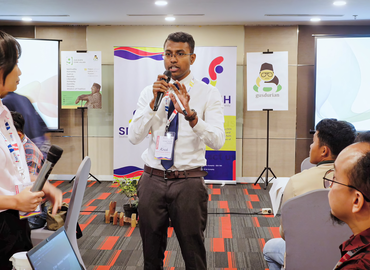
At the first Dialogue Cities Southeast Asia Conference in 2023, Kenny attended not as an observer but as co-facilitator of the Youth Thematic Group and coordinator of the cultural night. Responsibility created a path to leadership.
Out of that conference emerged a platform for youth collaboration. Southeast Asian Youth for Humanity (SEAY4H), with KAICIID's support, connects young people across Southeast Asia to practise interreligious and intercultural dialogue and translate it into concrete community projects. The network elected Kenny as its Lead Convenor.
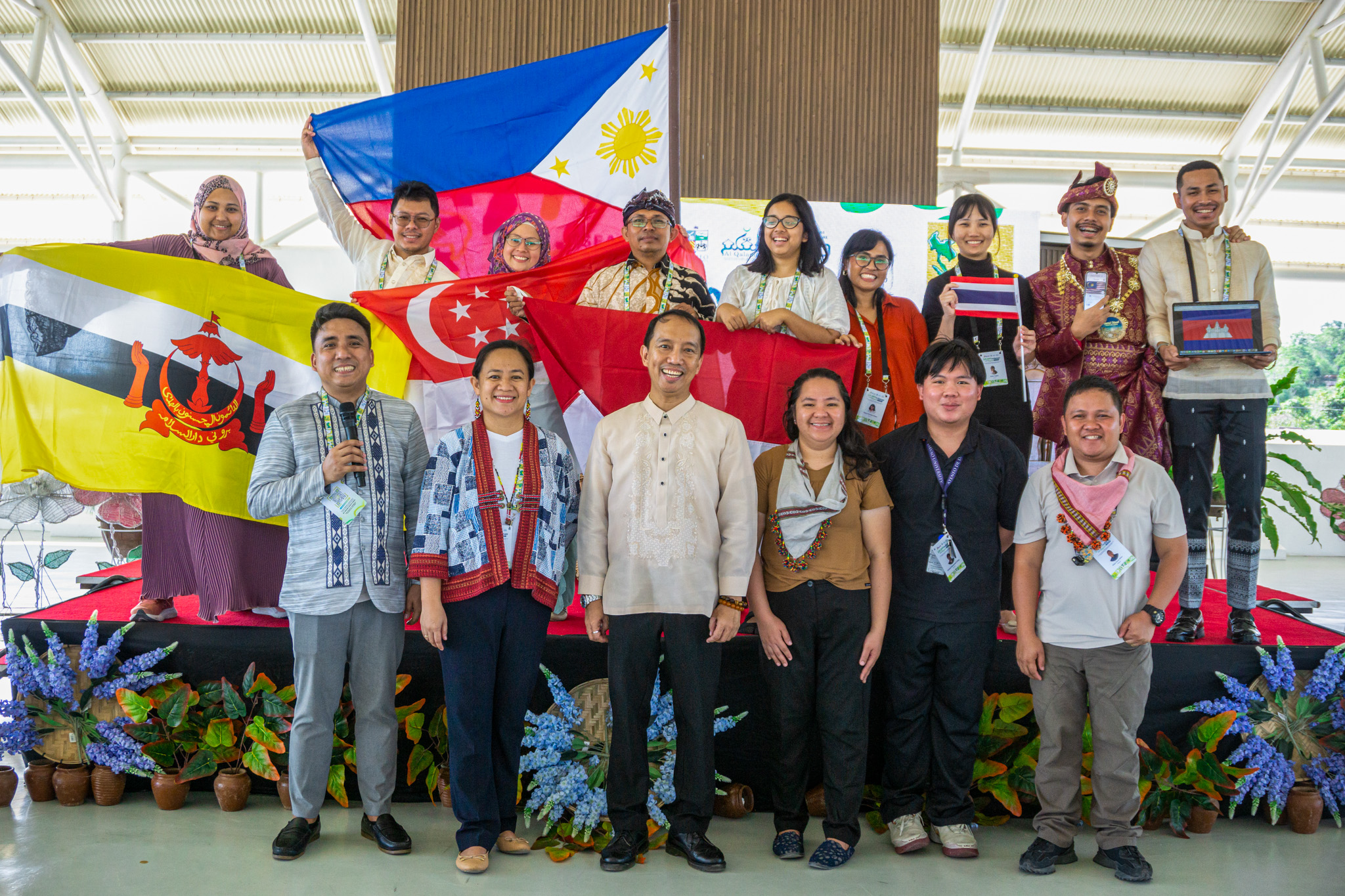 Kenny with fellow SALAAMindanao and Beyond organizers and SEAY4H delegates from different ASEAN countries
Under his leadership, SEAY4H rapidly scaled its footprint. In just over two years, it has convened over 100 youth from Brunei, Cambodia, Indonesia, Malaysia, Myanmar, the Philippines, and Thailand. It has presented to diplomatic missions, partnered with academic institutions Ateneo de Davao University and Samal Island City College in the Philippines, collaborated with well recognized local civil society organizations such as GUSDUrian Network Indonesia in Yogyakarta, Indonesia and Institute of Buddhist Management for Happiness and Peace Foundation (IBHAP) in Bangkok, Thailand and delivered grassroots peacebuilding work through the Dialogue Cities Southeast Asia network. These engagements are structural; tied to governance shifts, regional interreligious and intercultural dialogue ecosystems, and KAICIID's wider Asia Region programme strategy.
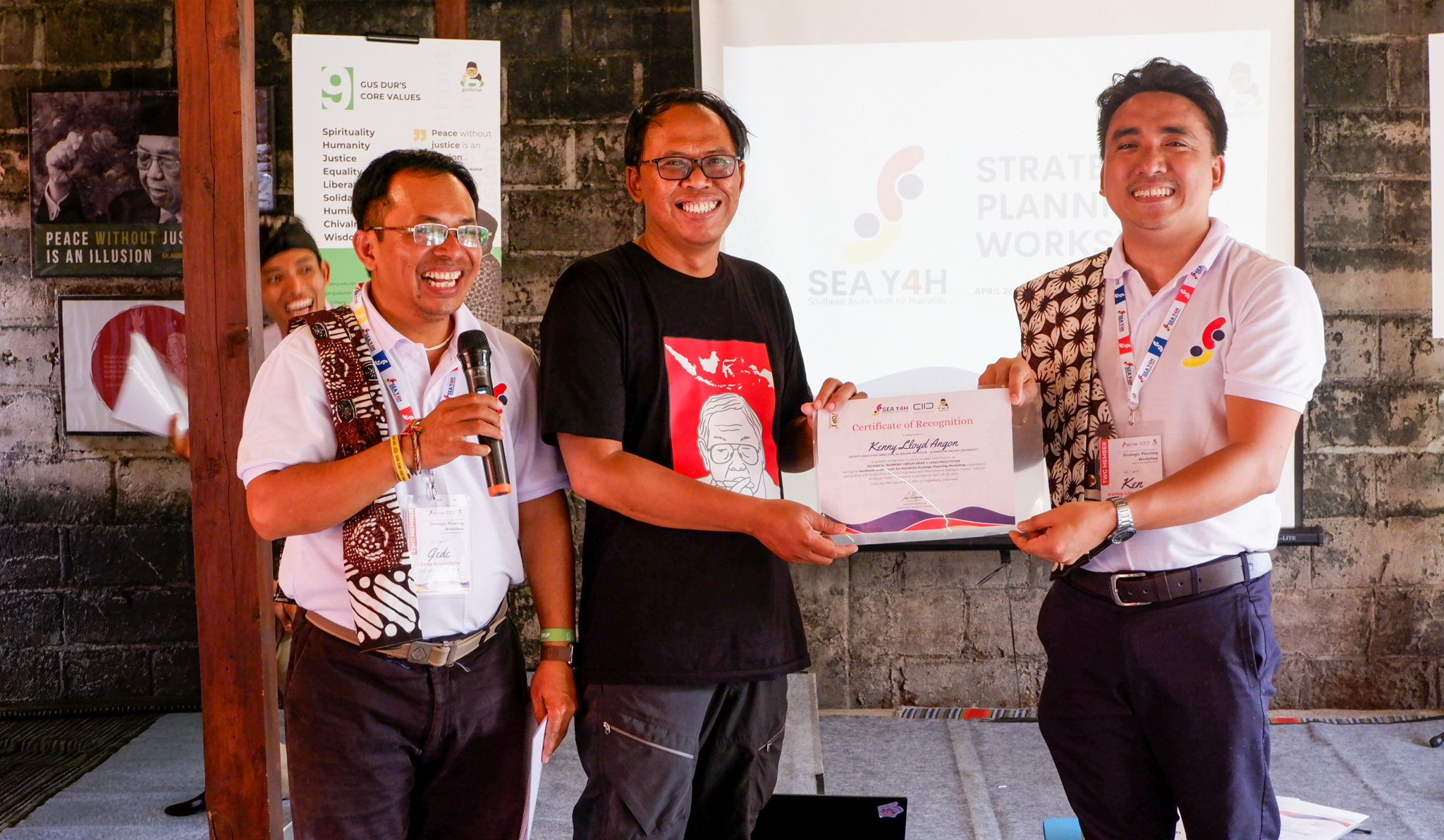 Kenny with GUSDURian representatives
In 2024, the partnership matured. Ateneo de Davao University, through Al Qalam Institute, co-organized the second Dialogue Cities Southeast Asia Conference with KAICIID in Davao City. The choice of location reflects deliberate strategy. KAICIID brings programme resources to places where cohesion and conflict are daily realities. In Mindanao, that condition is lived experience. Co-hosting in Davao placed visibility and decision-making closer to communities directly affected.
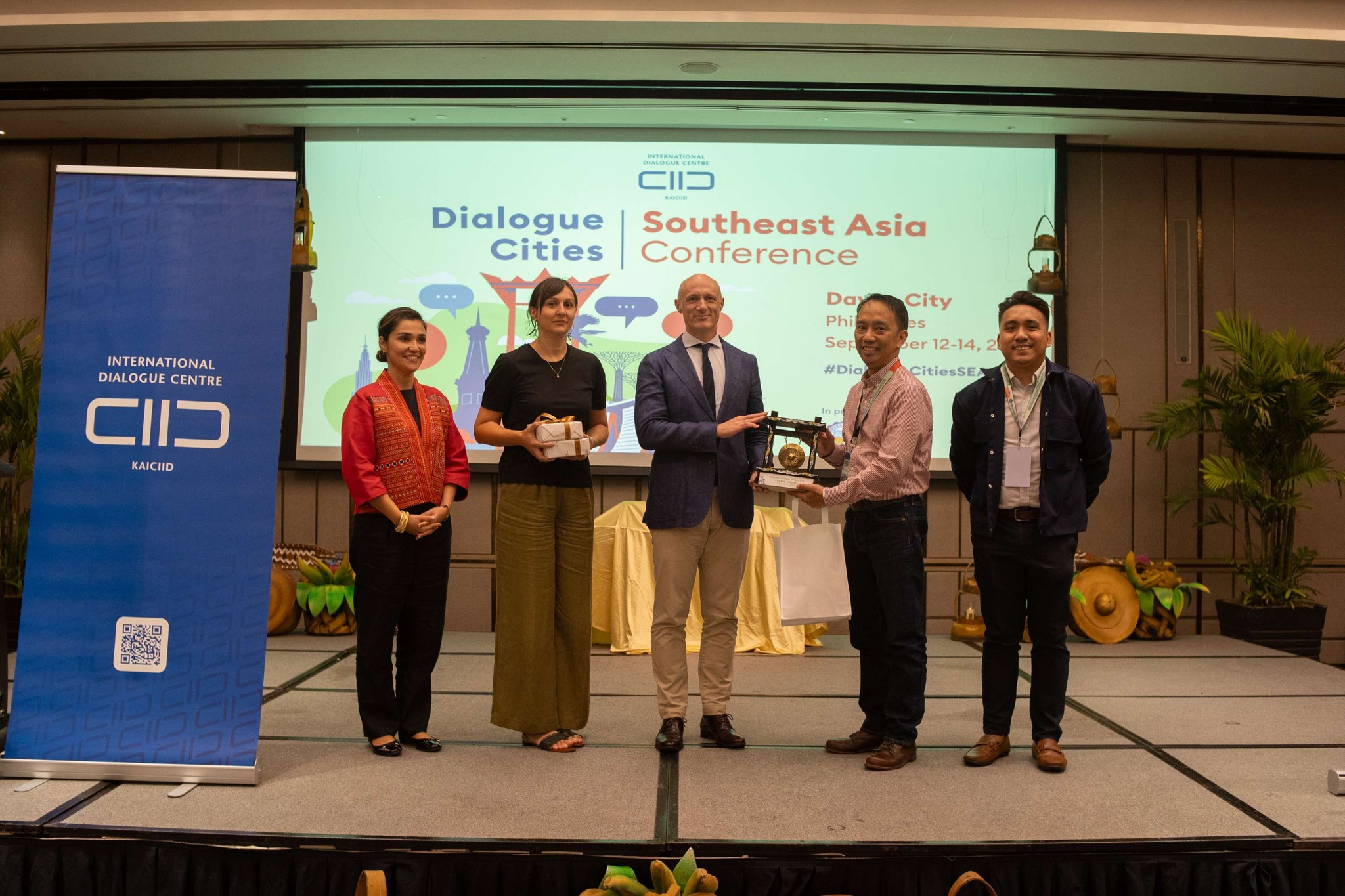
KAICIID and Al Qalam Officials during the 2nd Dialogue Cities SEA Conference
By late 2025, Kenny was leading SALAAMindanao and Beyond 2025, a community of practice that gathered and trained youth from seven ASEAN countries, adding Brunei Darussalam and Cambodia to the network. The design was disciplined: bring youth leaders, religious figures, and local authorities into one space and focus on practice that continues after events conclude. Shortly after, he contributed a youth perspective to the joint ASEAN Institute for Peace and Reconciliation and KAICIID training for regional officials, the forums where dialogue language translates into policy frameworks.
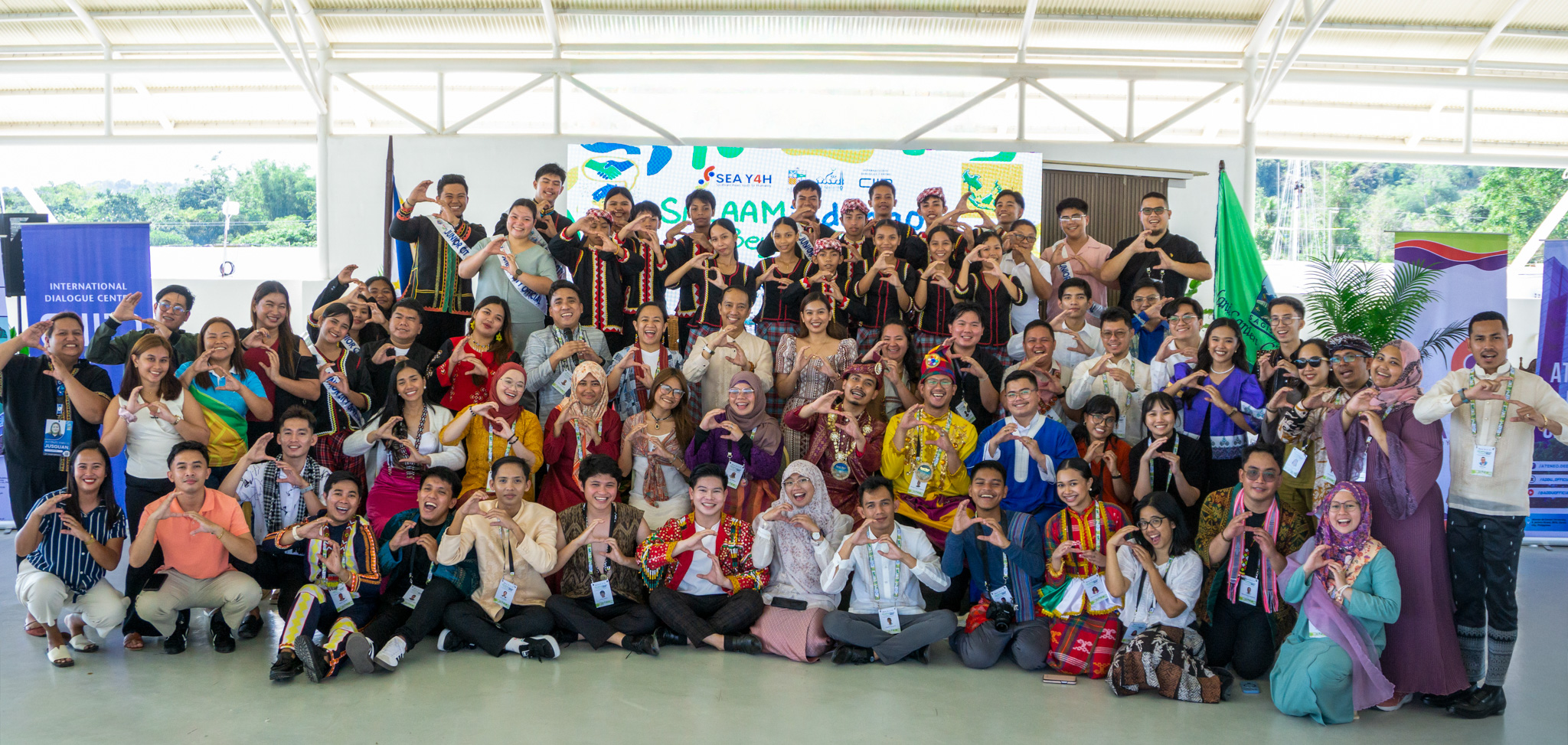
Group Photo during SALAAMindanao and Beyond 2025
None of it, he says, would have happened without KAICIID's willingness to trust him when he was simply "the younger person in the room."
"The trust and confidence shown by the KAICIID Asia Region Programme team was life-changing. I was challenged to lead and inspired to grow," Kenny recalls.
Beyond the Conference Hall: Grassroots Impact with Regional Reach
Through SEAY4H and the Dialogue Cities Southeast Asia network, Kenny and his peers have created more than conversations. They have established pathways for cross-border collaboration, engaged local governments, and built platforms where youth, religious leaders, and community stakeholders shape policy together. They have also adapted dialogue to contemporary realities, whether addressing the "non-religious" identity trend among Generation Z, countering disinformation, or exploring intersections between faith and climate action.
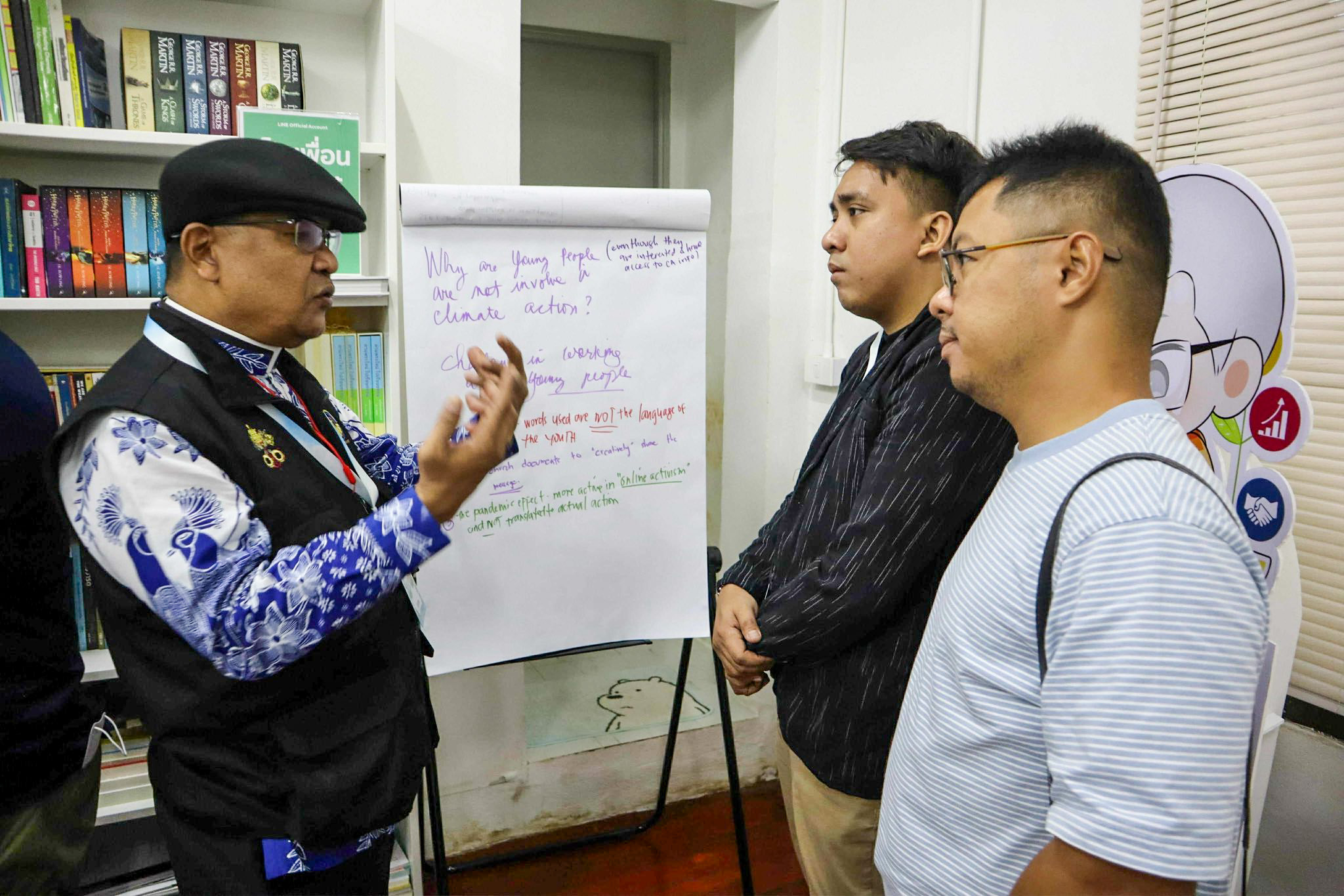
Collaborative Climate Action Workshop
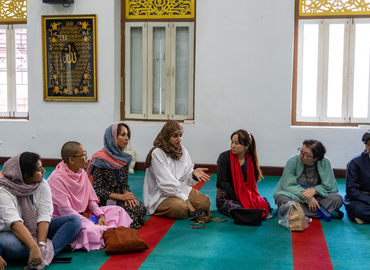
Recent examples demonstrate this breadth. The Collaborative Climate Action gathering in Bangkok showed how interreligious dialogue supports faith-based environmental advocacy. Youth-led mental health initiatives in Malaysia proved dialogue methodologies apply beyond conflict prevention. Culturally rooted site visits, such as Kenny's encounter at the Sacred Heart of Jesus Church (Ganjuran Church) in Yogyakarta, Indonesia, illustrated how local culture can deepen religious identity rather than dilute it, a principle the university chapel in Davao also embodies through Moro and Indigenous aesthetic integration.
Challenges persist. In Mindanao, outreach to smaller religious communities including Buddhists and Hindus remains limited. Bureaucratic processes slow inclusion efforts, and youth engagement fluctuates as personal priorities shift. Nevertheless, Kenny credits KAICIID's model of local partnership, bringing programmes outside national capitals and investing in credibility through trusted networks with building sustainable traction.
"The long-term impact we observe isn't only in programmes. It's in mindset shifts. Local governance is beginning to view interreligious and intercultural dialogue not as optional, but as foundational."
What Changes on the Ground
Kenny's assessment of KAICIID's impact is pragmatic rather than performative. He acknowledges that long-term change requires layered, consistent work. Yet the shifts are measurable:
Institutional Adoption: Dialogue now anchors Al Qalam's theory of change and informs local consultative mechanisms for policy drafting in Mindanao.
Strategic Youth Participation: Through SEAY4H, KAICIID positions youth not as attendees but as organizers, convenors, and project designers, supported with funding and structured follow-through.
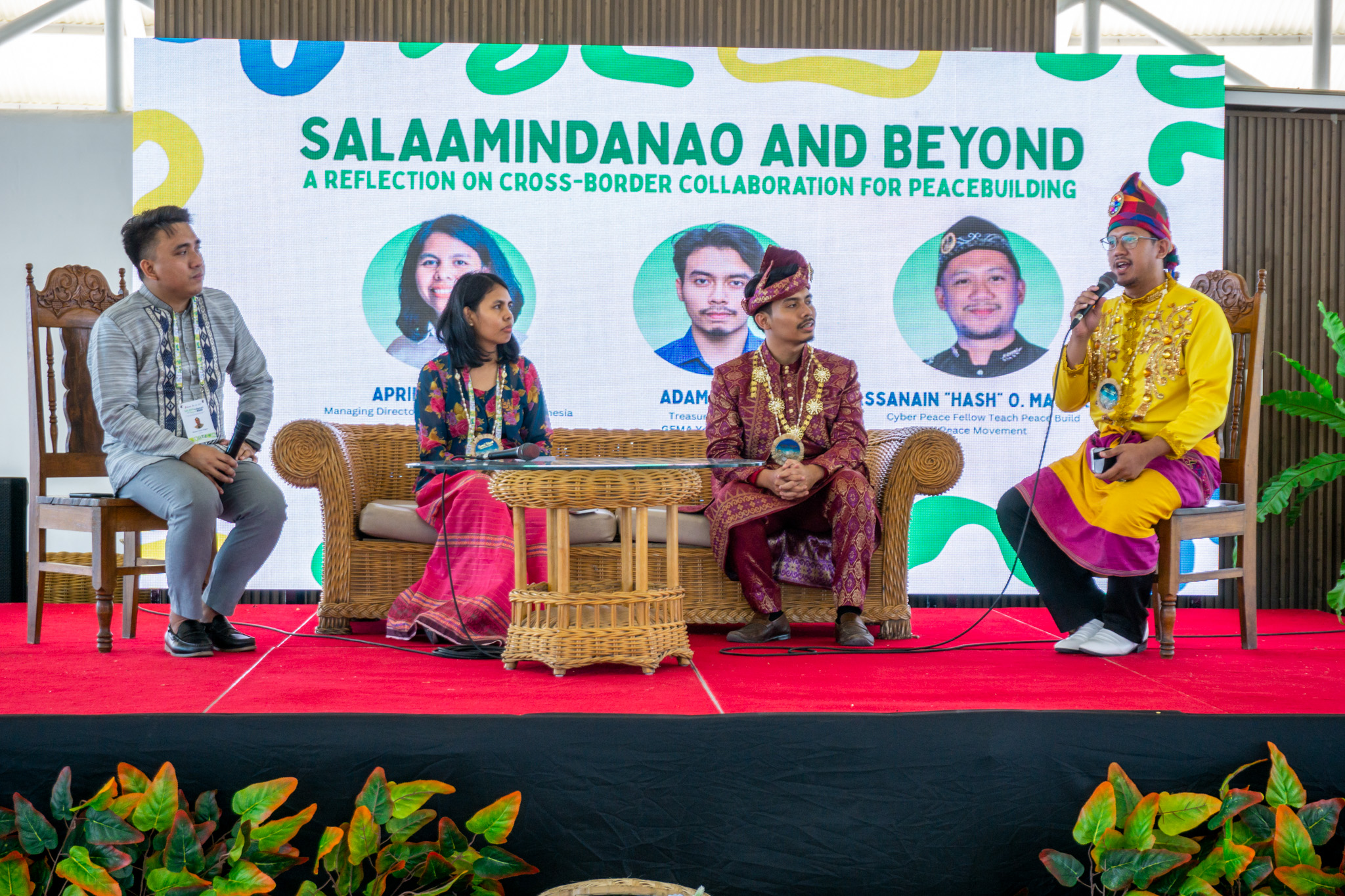
Kenny with young leaders from Indonesia, Malaysia and Philippines who implemented KAICIID and SEAY4H supported initiatives
Cross-Regional Learning: Collaborations span Indonesia, Malaysia, Thailand, and the Philippines, with networks learning from one another, from faith-based climate action in Bangkok to mental health advocacy in Kuala Lumpur.
Policy Influence: SEAY4H has presented to ASEAN institutions and regional missions, extending KAICIID's influence beyond civil society networks into diplomatic discourse.
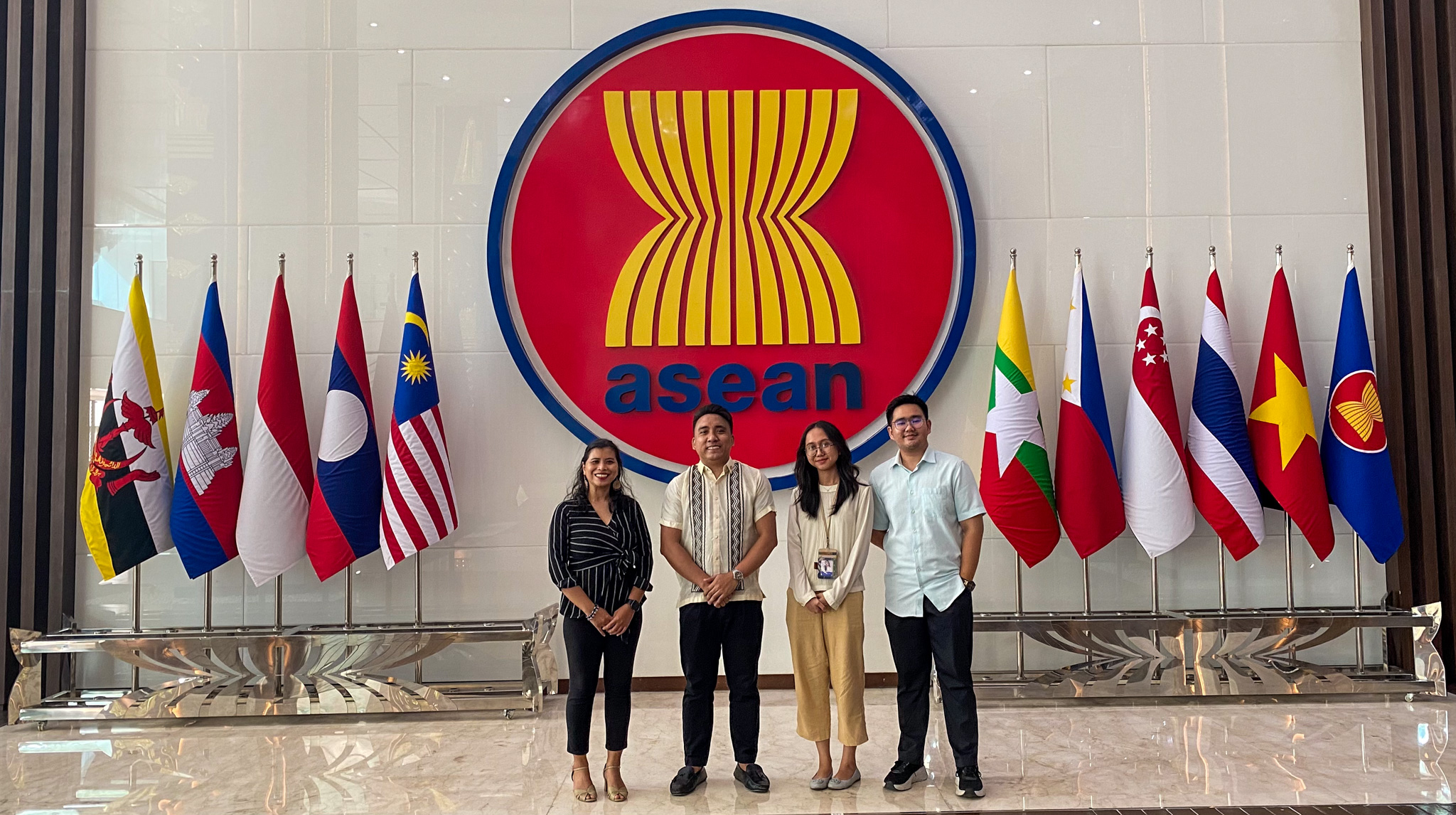
Kenny with ASEAN Foundation personnel
Constraints remain real, and Kenny names them directly. Smaller Buddhist, Hindu, and Sikh communities in Mindanao face barriers to engagement. Institutional dynamics can delay inclusive invitations. Youth engagement tapers after events as participants return to studies, employment, and family responsibilities.
KAICIID's design addresses these limitations. Its investment in mentorship, regional connectivity, and institutional partnerships allows networks like SEAY4H to grow beyond any single leader's influence. The Centre places major activities outside capitals, pairs emerging leaders with Fellows who open doors and provide guidance, and links training within existing networks. Each intervention; Cerita Kita in Indonesia, Collaborative Climate Action in Thailand, SALAAMindanao and Beyond in the Philippines, strengthens the broader fabric rather than fragmenting into isolated moments.
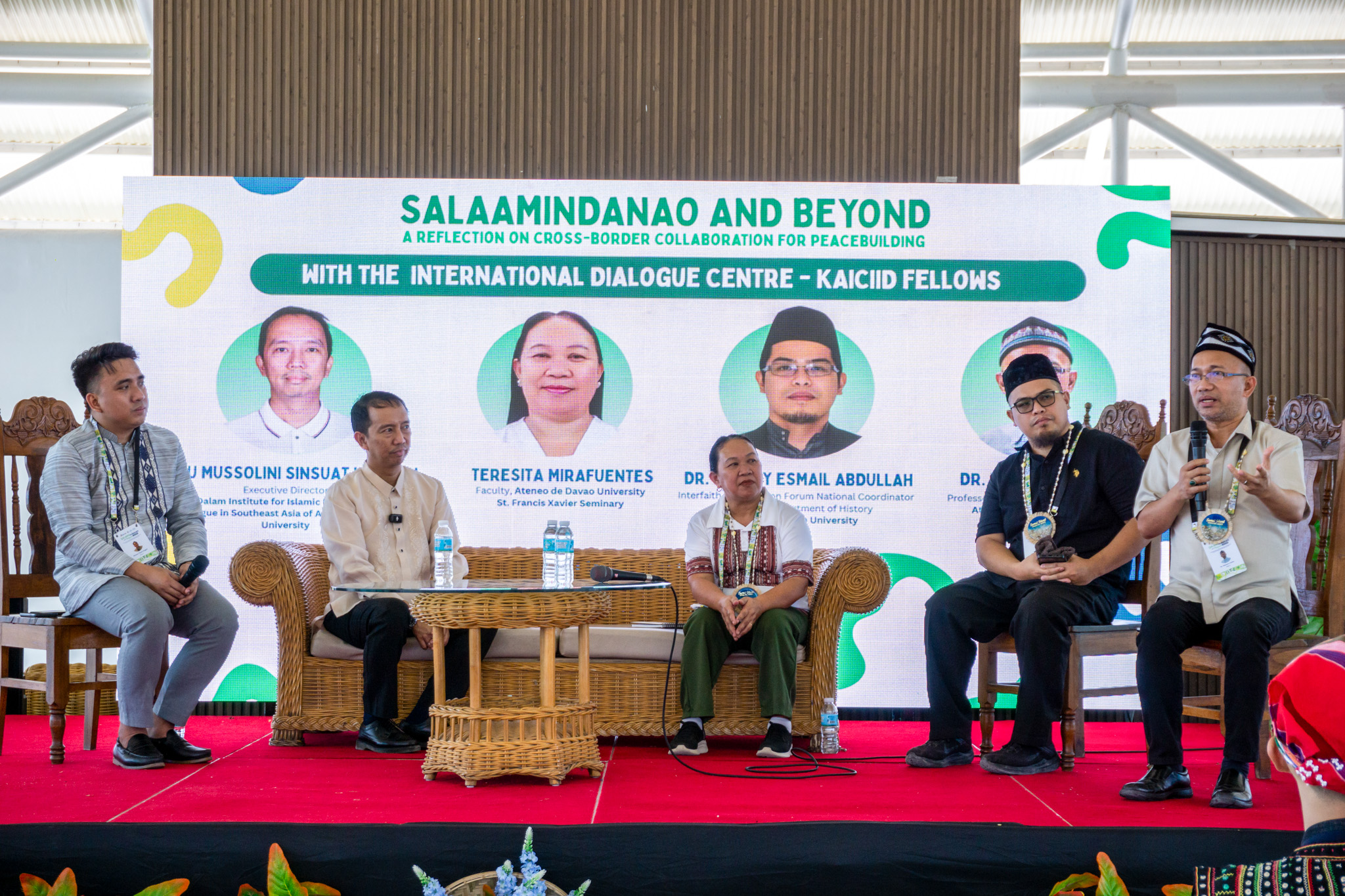
Kenny with other Filipino KAICIID Fellows during their presentation session.
Kenny is no longer only a participant. His selection for KAICIID's 2026 Youth-Focused Fellows cohort signals the Centre's long-term investment in its strongest local collaborators.
A Message to Global Leaders: Dialogue Is Strategic Infrastructure
Kenny's message to policymakers, donors, and institutions is unambiguous:
"Invest in youth not as beneficiaries but as co-creators. Fund ecosystems, not merely events. Support networks beyond capital cities. Above all, understand that interreligious and intercultural dialogue is not a soft skill – it's a survival strategy in a region facing climate collapse, algorithmic radicalization, and profound social fragmentation."
His recommendations are specific and grounded in field experience. Fund legal identity for networks so work survives staff rotations and electoral cycles. Maintain cross-regional learning so local solutions transfer between countries. Protect mentorship structures because that is where capacity becomes leadership. These appeals align directly with KAICIID's mission to promote interreligious and intercultural dialogue that strengthens social cohesion.
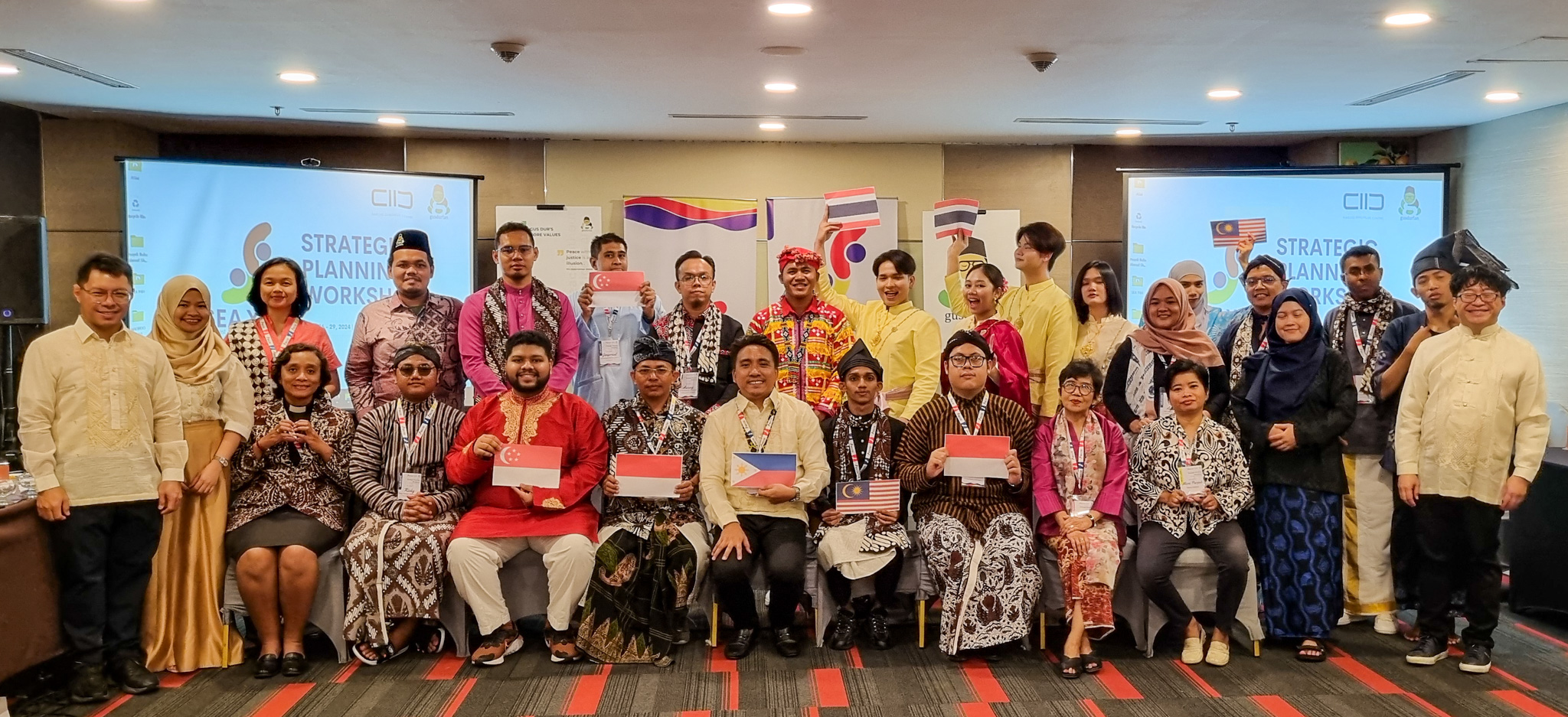
Group photo during SEAY4H Strategic Planning Workshop
Looking ahead, Kenny envisions SEAY4H as a legally recognized regional entity. He hopes KAICIID will establish hubs across the region, anchored in trusted institutions that bridge communities and the Centre's global programming.
"It's not about scaling programmes. It's about sustaining movements," he says.
As the world confronts rising polarization, climate risk, and digital disruption, Kenny believes interreligious and intercultural dialogue transcends niche specialization, it constitutes strategy for survival.
"Dialogue isn't only about reducing conflict. It's about preparing our communities for the future. And that future must include youth not merely as participants, but as co-designers of what comes next."
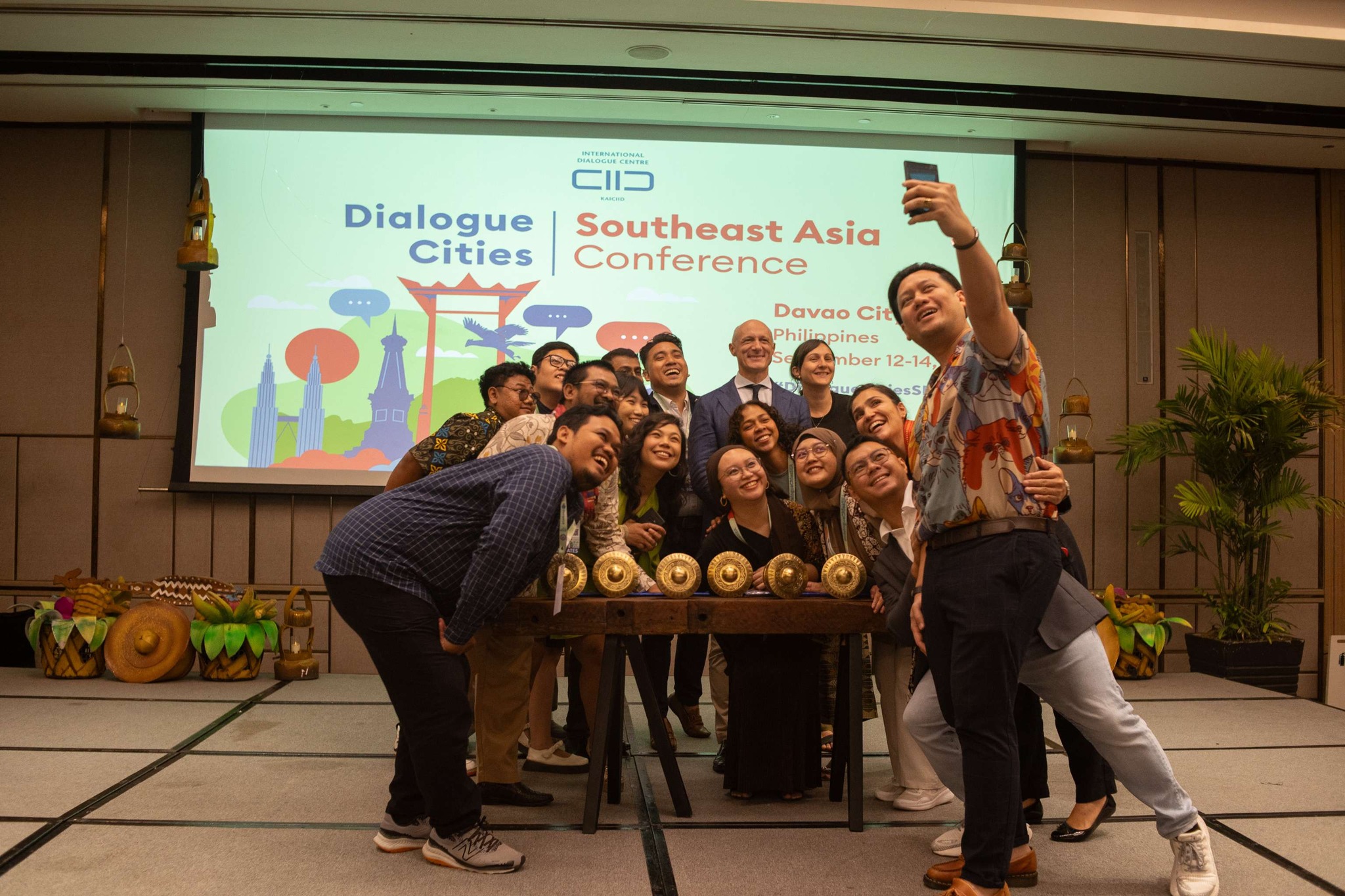
Group photo with SEAY4H and KAICIID partners
Communities suffer, not only from the echoes of broken men…
Peacebuilding today requires more than technical solutions; it demands inclusive, values…
