KAICIID Fellows Programme
The KAICIID International Fellows Programme is a capacity-building and professional development programme designed to bring together religious leaders, educators, and practitioners from diverse religious and cultural backgrounds worldwide. The Programme provides specialized training in dialogue facilitation, interreligious dialogue, intercultural communication, and social cohesion promotion, empowering participants to advance these vital skills within their communities.
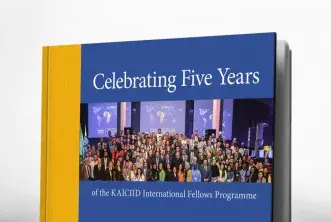
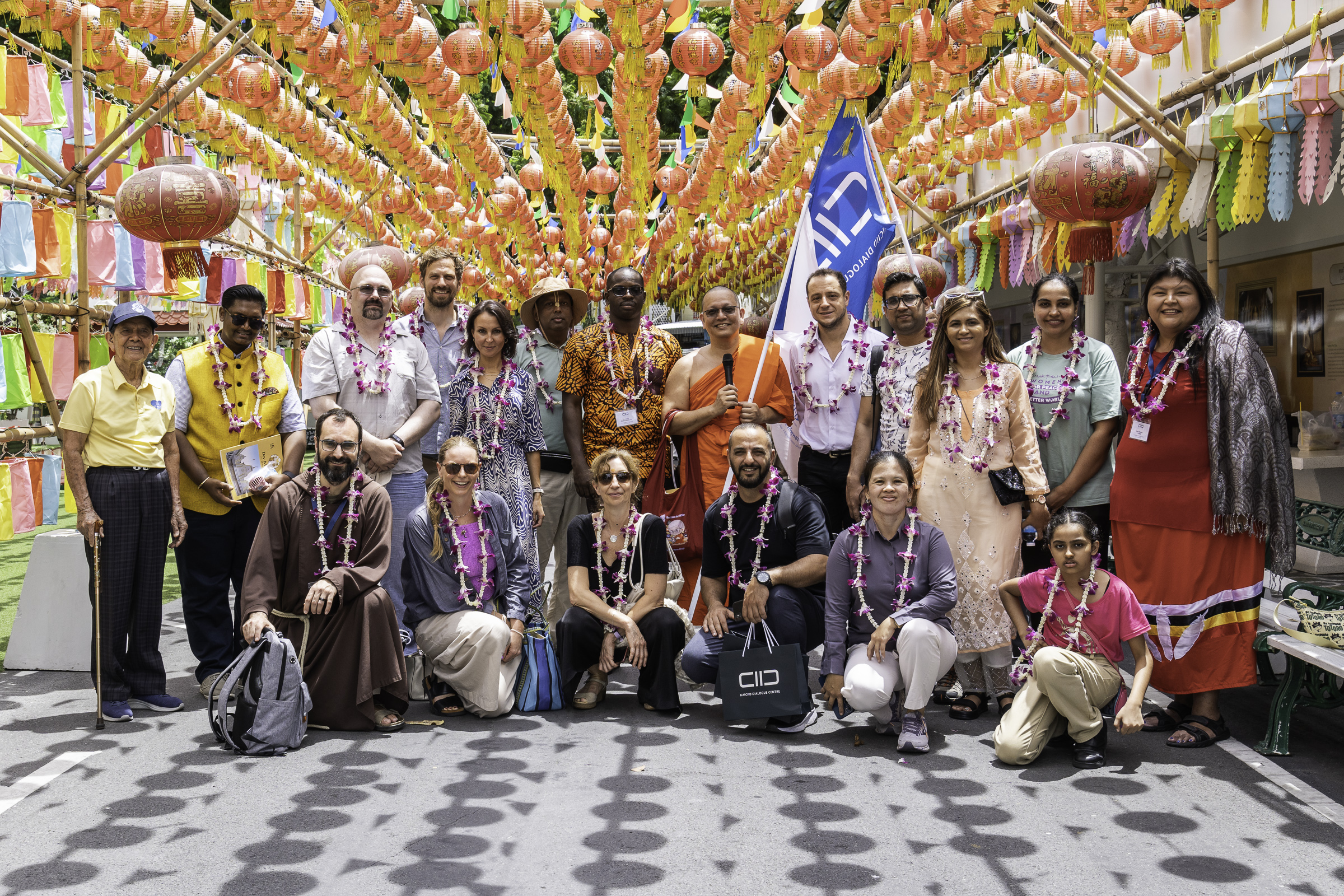
Since its inception in 2015, over 580 Fellows from more than 100 countries have benefitted from this transformative opportunity. We have had Fellows who were Muslim, Christian, Buddhist, Hindu, Jewish, Sikh, Confucian, Yazidi, Taoist, Samaritan, Druze, Bahai, from Traditional or Indigenous religions, and without religious affiliation. People of all religious identities are encouraged to apply.
In 2027, we are accepting applications for one international cohort of up to 20 Fellows. This cohort will be the first to engage with the Programme’s revised curriculum and will prioritize candidates who, as religious leaders and educators, bring underrepresented perspectives, geographic diversity, and strong institutional grounding.
Who are the Fellows?
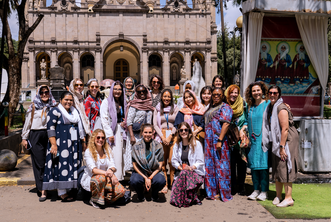
The Fellows are a global community of diverse religious leaders, educators and dialogue practitioners from Baha'i, Buddhist, Christian, Confucian, Druze, Hindu, Jewish, Muslim, Samaritan, Sikh, Taoist, Yazidi, Traditional or Indigenous religions, and without religious affiliation. Adherents of all religious or spiritual traditions are welcome to apply.
Most Fellows are mid-career religious leaders, academics and educators, policymakers, or work in global development, peace and reconciliation, or social cohesion.
Most Fellows have some familiarity with either interreligious or intercultural dialogue, or may be in positions that engage religions and faith-based organizations, are responsible for the formation of future religious leaders, or responsible for international, regional, or national policy and practice with impact on, or of importance to, religious communities.
Above all, a KAICIID Fellow is well-grounded and well-formed in their own faith tradition and identity, and open to the transformative power of dialogue and deep encounter with others who may represent different or even opposing views on core beliefs and worldviews. We seek those committed to building peace and promoting deep mutual understanding through dialogue.
What is the KAICIID Fellows Alumni Network?
The KAICIID Fellows Alumni Network connects programme graduates with a vibrant community of global changemakers. The Network has helped Fellows expand and deepen the impact of their initiatives, allowing them to share best practices with one another and find funding and resources. The Network also provides continuing learning and professional development opportunities to reinforce lasting outcomes in the field.
What do the Fellows study?
The Fellows Programme provides specialized training in dialogue facilitation, interreligious dialogue, intercultural communication, and social cohesion promotion, empowering participants to advance these vital skills within their communities or organizations.
The Programme includes theory and history of interreligious and intercultural dialogue, engagement with local religious and interreligious leaders and policy makers in different regions, skills training in dialogue planning and facilitation, and project management, sustainability, and evaluation.
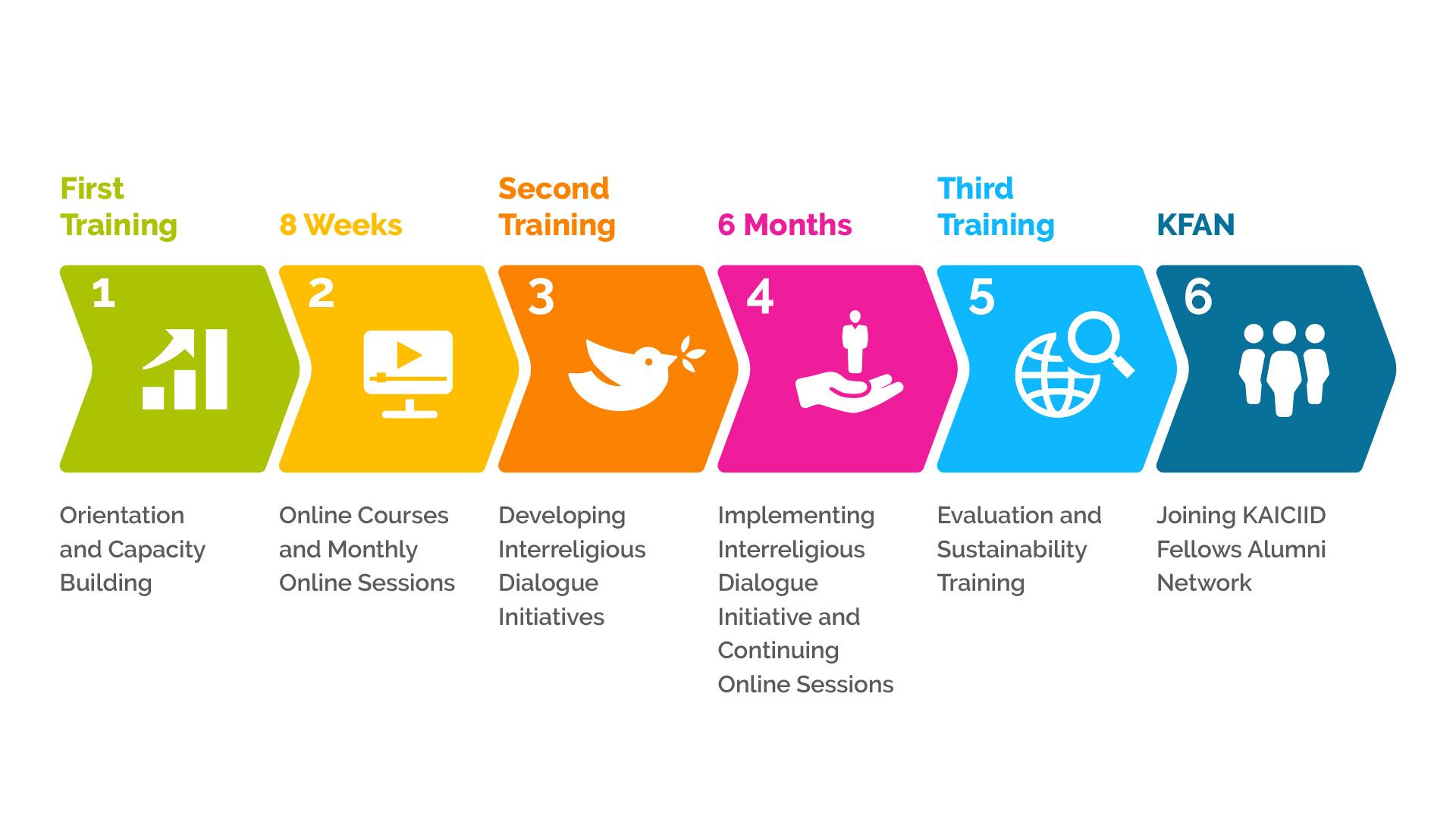
The Programme is designed as a hybrid of three intensive, in-person trainings in different locations, a selection of online classes, and live virtual discussion sessions, over the calendar year. Fellows are provided with small seed grants to implement dialogue projects tailored to the needs of their institutions and communities during the training year.
Who Can Apply?
Each year, the KAICIID Fellows Programme selects extraordinary leaders and educators, with a proven ability of or potential for advancing interreligious dialogue in their institutions and communities.
While the minimum age is 21, most fellows are mid-career, with several years of experience and graduate education in their field. 80% of Fellows have been in higher education or religious leadership, while the rest have worked in international development, peace and reconciliation, dialogue organizations, as policy-makers, and in other fields.
Fellows are organized into cohorts of about 16-20. Each year we offer at least one international, globally diverse cohort open to all applicants.
Cohorts of Fellows are constructed to reflect, as much as possible, a balanced diversity of religions, religious affiliation or denomination, region and nationality, and gender balance. Some cohorts may have a particular focus, which may be defined by region, by language, by profession or field of engagement, or by some strategic theme.
For more information about the application process and the programme in general, please visit the Frequently Asked Questions page.
Requirements:
-
Ability to Engage in Dialogue: Capacity to engage in dialogue on complex topics in English.
-
Institutional Support: Representation or endorsement by an organization or institution.
-
Relevant Background: Experience or education in a field related to religion, interreligious or intercultural dialogue, international development or peacebuilding, or working with religious leaders.
-
Openness to Diversity: Willingness to collaborate with individuals from diverse religious, cultural, and ideological backgrounds.
-
Commitment to Full Participation: Availability and commitment to attend all components of the Programme, including training sessions and online activities.
-
Recommendation Letter: A letter of support from your institution or organization, submitted on official letterhead, signed, in PDF format, and relevant to your work in interreligious or intercultural dialogue. Letters must be from someone who can speak to your professional or volunteer capacity. Letters from KAICIID Board of Directors members must be declared by the referee.
-
Minimum Eligibility: Applications that do not meet all eligibility requirements will not be considered. Please review the criteria carefully before applying.
Due to overwhelming response in recent years, we will be prioritizing inclusion of Fellows who were previously accepted but unable to participate, and returning applicants. We ask anyone who applied prior to last year to enter a new application; anyone who applied for the 2026 cohorts can log in and update their application if needed. New applicants are accepted but should be aware of these priorities this year.
Timeline:
- Applications are open 1 June to 15 July 2026.
- Decisions will be communicated by early November.
- The 2027 Fellows Programme will run from January to December 2027.
- The application portal is here: KAICIID Fellows Application