
Across Borders and Beliefs: How Southeast Asian Cities Are Learning to Reach Across Divides

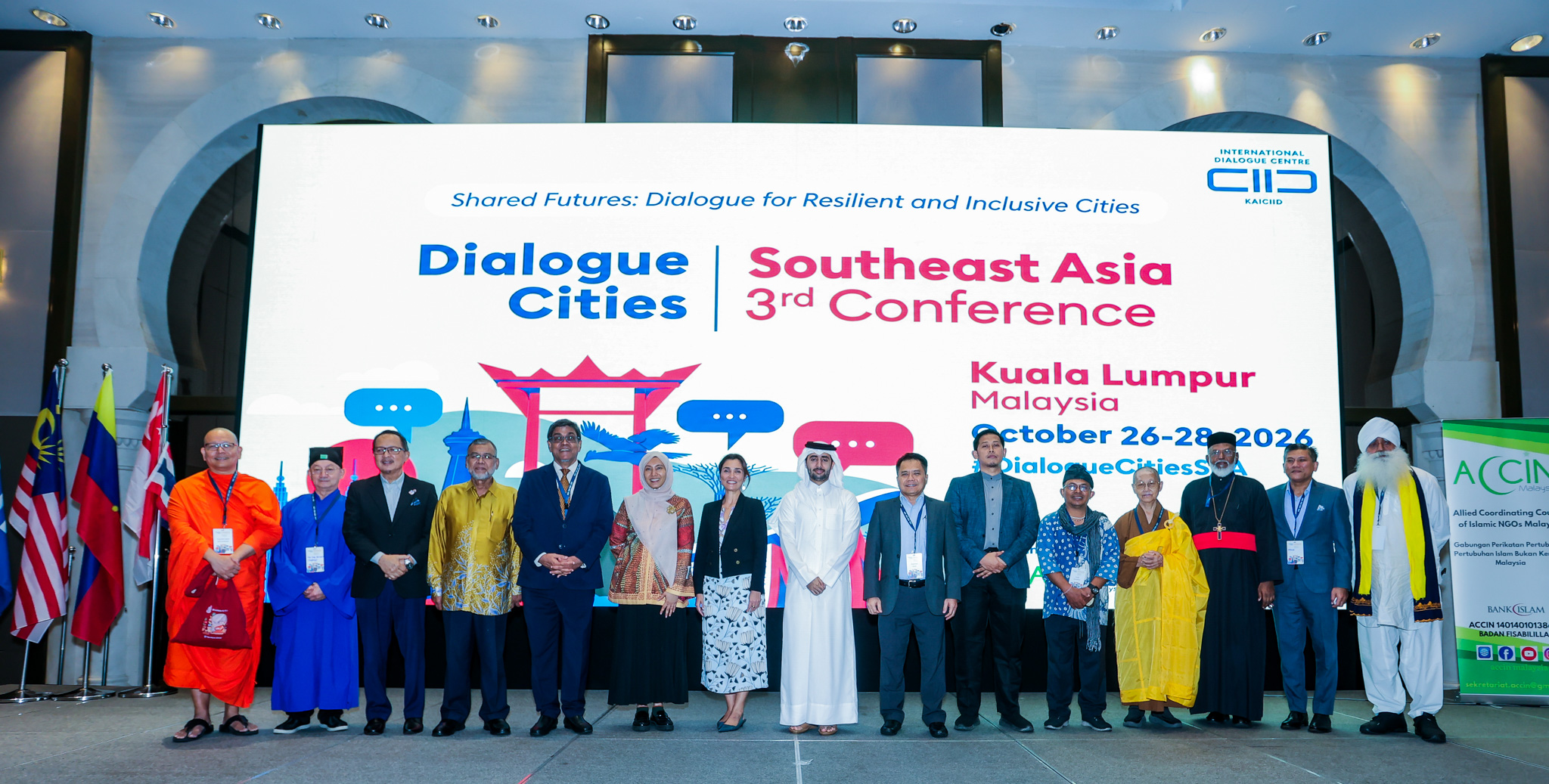
At the third Dialogue Cities Southeast Asia Conference in Kuala Lumpur, participants from across the region discovered that reaching across divides begins with a change of question, and a willingness to listen.
“Dialogue is a radical act of reaching across the aisle.”
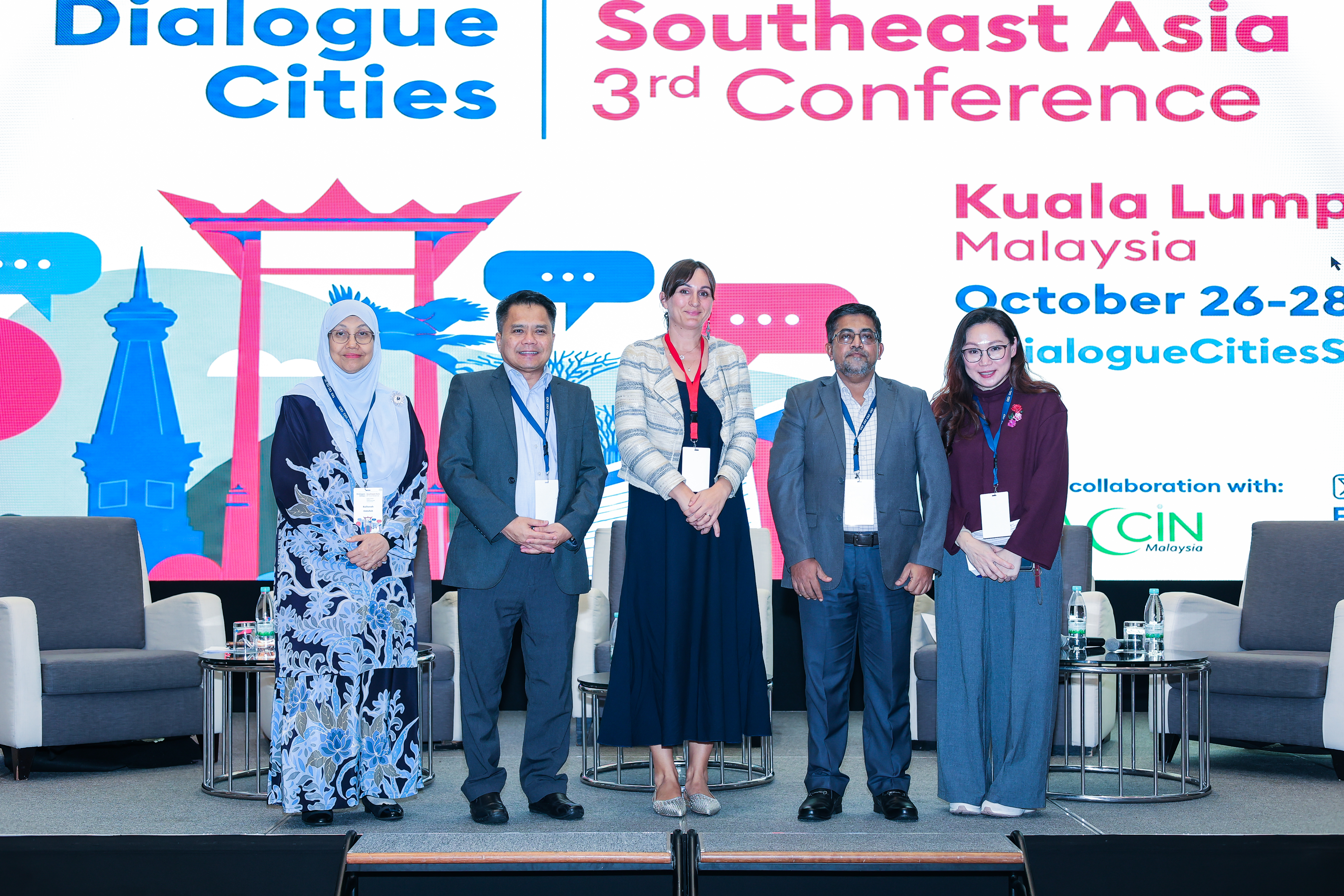
When Mitra Modaressi, Senior Programme Manager at the International Dialogue Centre - KAICIID, shared these words in Kuala Lumpur, she was speaking to a room of people whose communities face different challenges but increasingly share the same concerns.
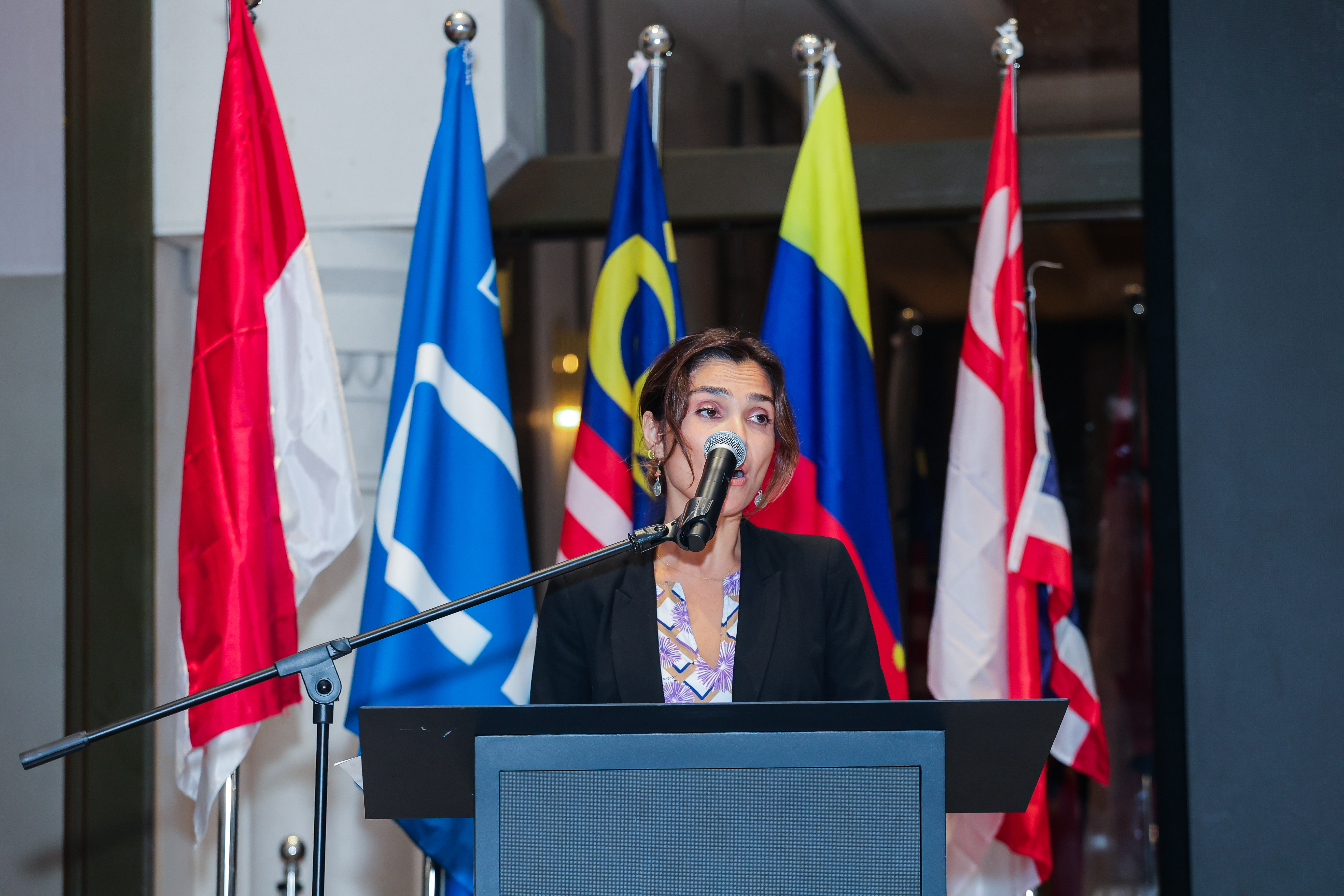
“When you hear somebody else’s story, you stop seeing them as a statistic, as a political stamp or a title,” she continued.
The reminder was timely. Participants arrived carrying different concerns. For some, it was environmental threats that cross national borders, such as transboundary haze and wildfires. For others, it was the growing influence of misinformation and online radicalisation, or the difficulty of bringing people from different religious and cultural backgrounds into the same conversation.
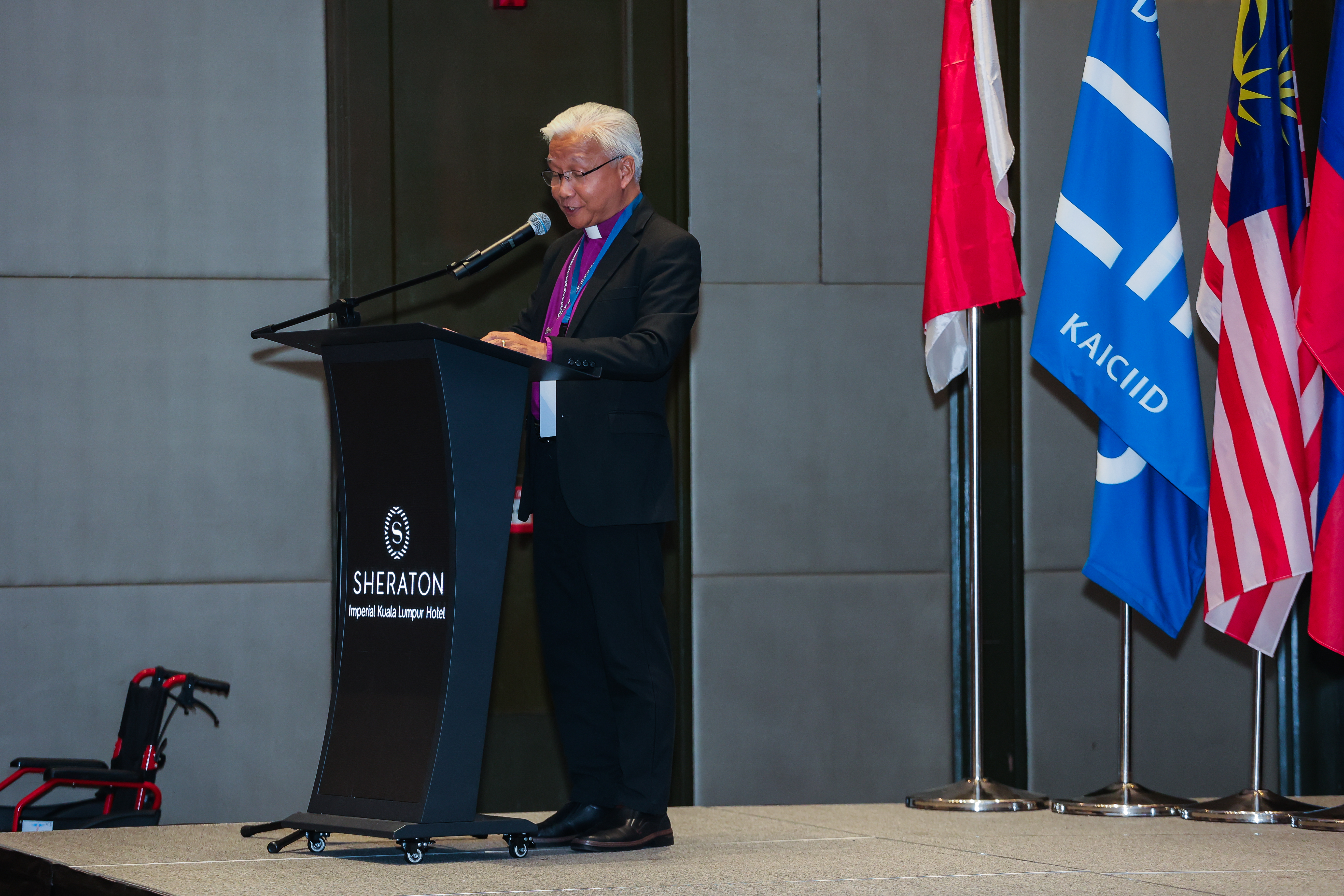
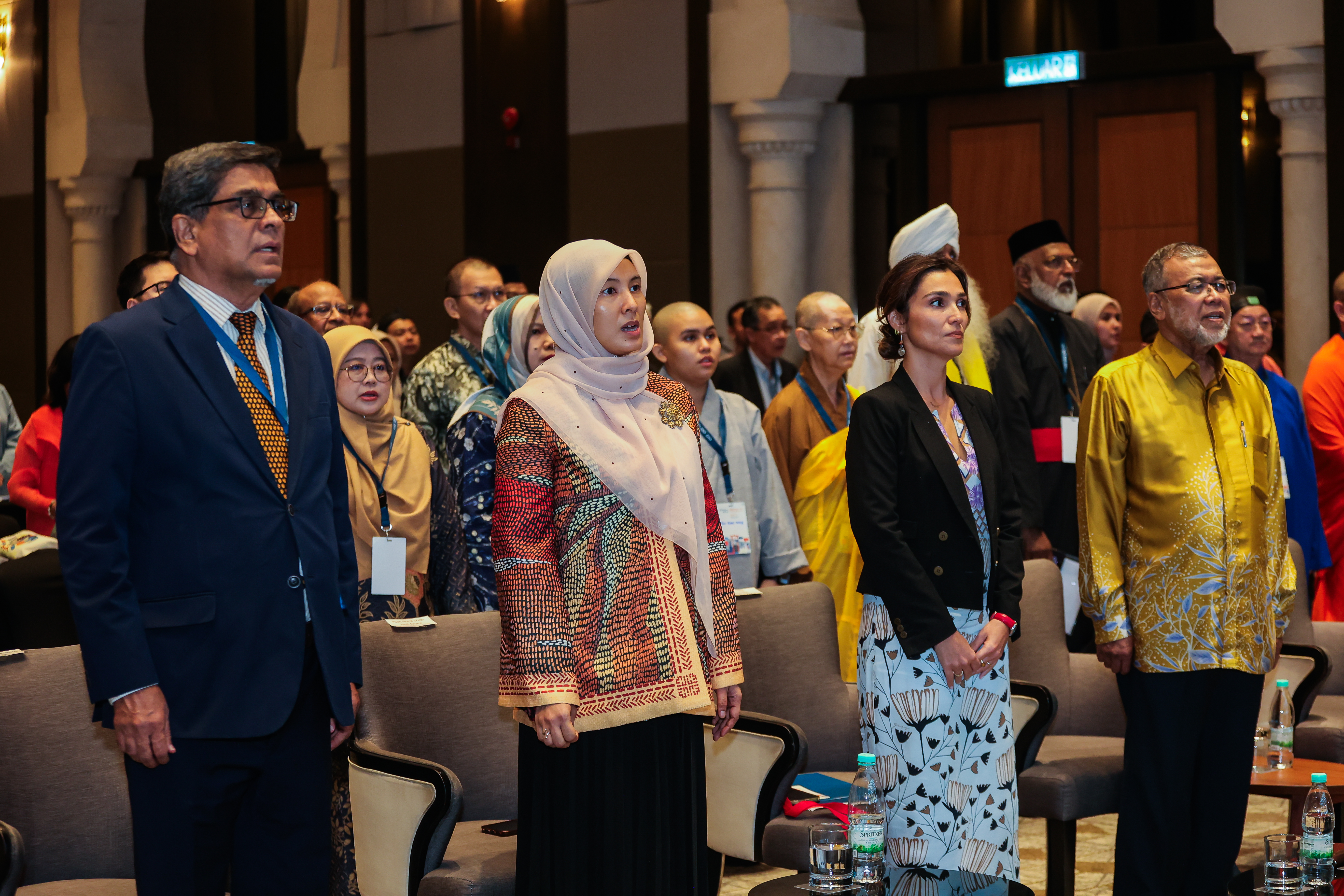
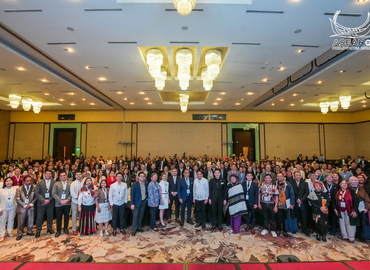
These experiences came together at the third Dialogue Cities Southeast Asia Conference, held in Kuala Lumpur, Malaysia, from 26 to 28 October 2026. Convened by KAICIID in collaboration with the Allied Coordinating Council of Islamic NGOs Malaysia (ACCIN), the gathering brought together more than 60 religious leaders, local government officials, educators, young people and civil society representatives from six Southeast Asian cities.
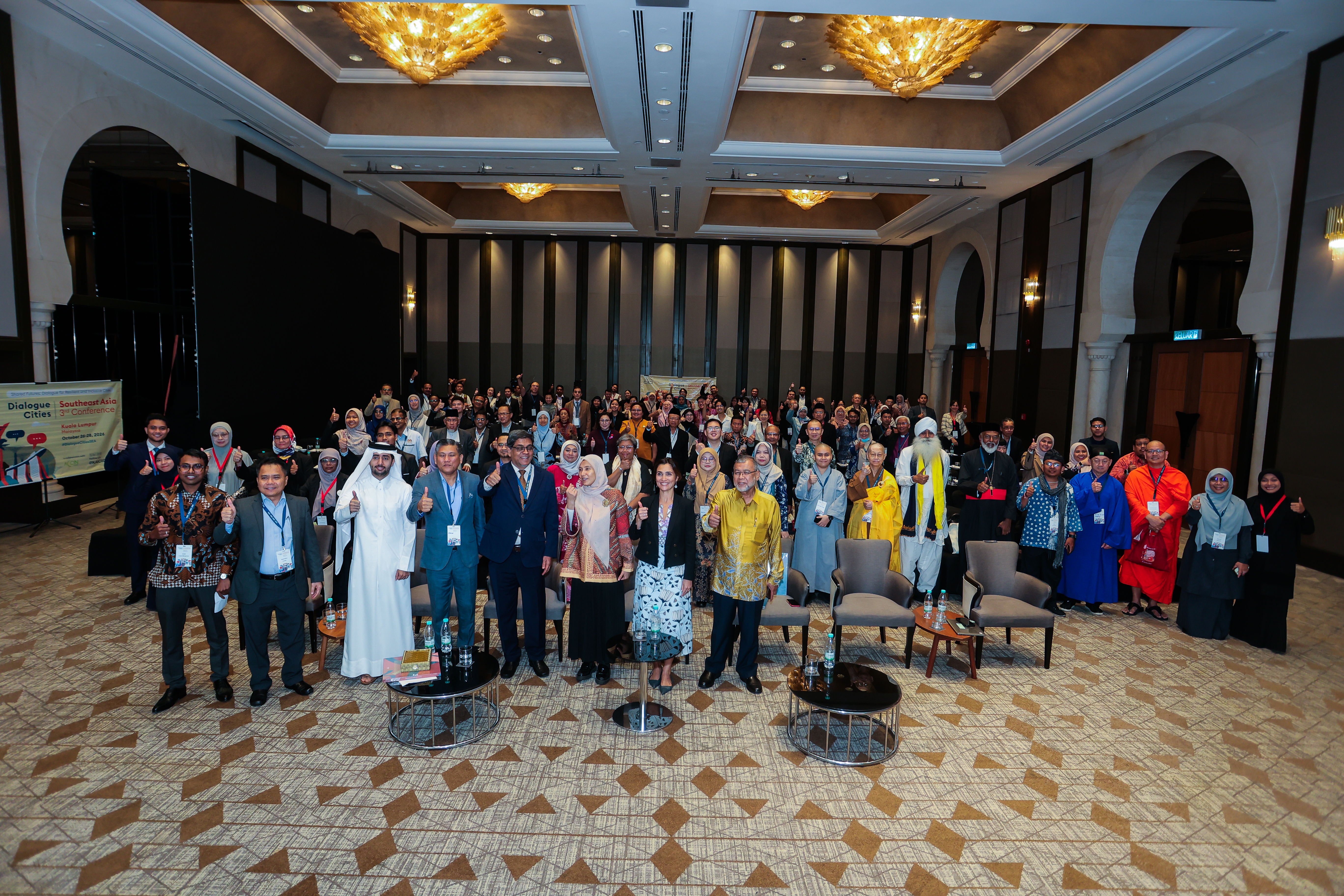
Their conversations turned on a question that extends well beyond the conference: how can communities work together when the challenges they face cross borders, generations, religions and institutions?
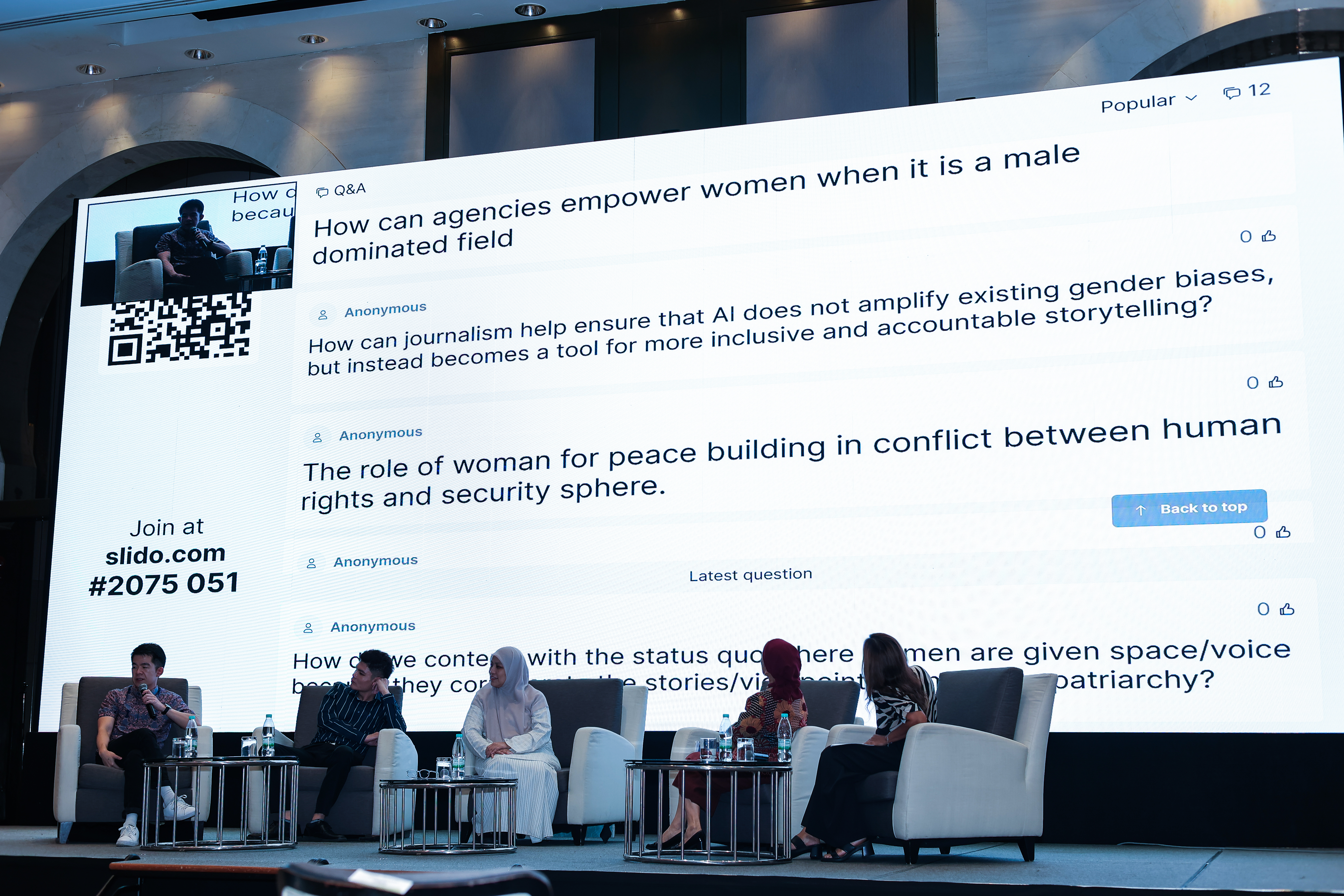
For Shinta Maharani, a journalist with Indonesia’s Tempo magazine who covers religious freedom and minority communities, the conference was a chance to explore the connection between interreligious dialogue and responsible journalism.
“I think it’s very important for us to learn how people from different religions come together, learn from one another, and understand the deeper meaning of interreligious dialogue,” she said.
Her participation underscores the role journalism can play in promoting religious understanding, challenging stereotypes and ensuring minority voices are heard.
Across borders and beliefs
Many of the challenges delegates brought with them do not stop at a city’s limits. “The air we breathe does not carry a passport. The rivers we share do not recognise political boundaries,” said Venerable Napan Thawornbanjob of the Golden Mount Temple in Bangkok, whose delegation proposed closer regional cooperation on cross-border pollution, with faith communities working alongside scientists and policymakers.
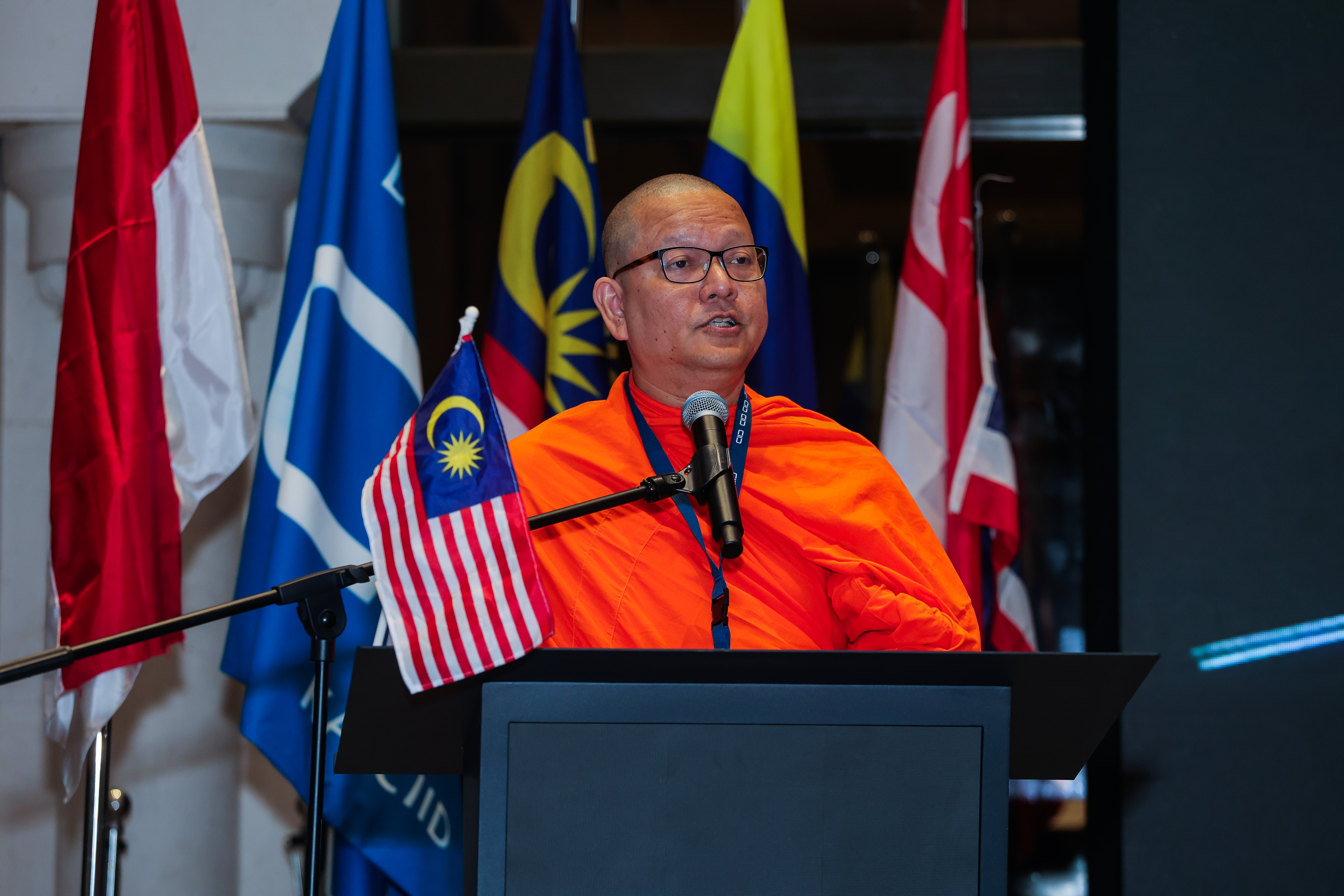
His words captured a concern shared by participants discussing transboundary haze, pollution and climate change. Thai delegates drew on Bangkok Climate Action Week to show how religious communities, scientists and policymakers can work together on environmental challenges that affect neighbouring countries.
Similar concerns emerged from Yogyakarta and Kuala Lumpur, where participants examined the relationship between religious teachings and environmental responsibility. Proposals ranged from community campaigns promoting environmental care and tolerance to partnerships connecting scientific expertise with faith-based institutions.
Yet the boundaries participants sought to cross were not only geographical.
In Davao City, Philippines, dialogue practitioners are looking at how to widen interfaith engagement beyond the Muslim, Christian and Indigenous communities traditionally involved in local initiatives. The delegation pledged to engage Buddhist, Sikh, Hindu and Bahá’í communities more actively, bringing different traditions together through joint civic action.
The proposal reflects a broader question raised throughout the gathering: how can dialogue become more inclusive of communities whose voices are not always represented?
For Irene Santiago, Lead Convener of the Mothers for Peace Movement in the Philippines, building trust across differences has been central to decades of peacebuilding work.
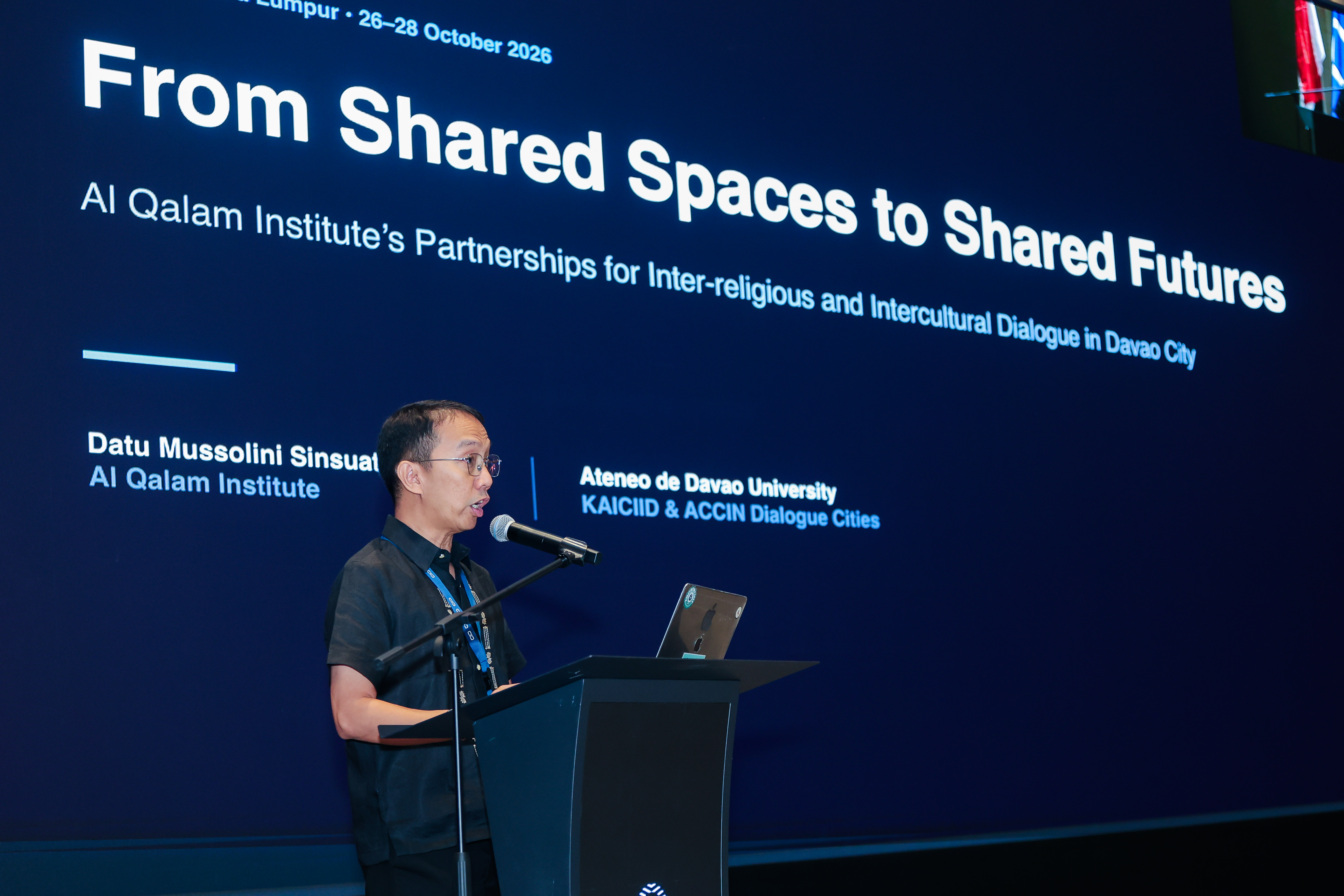
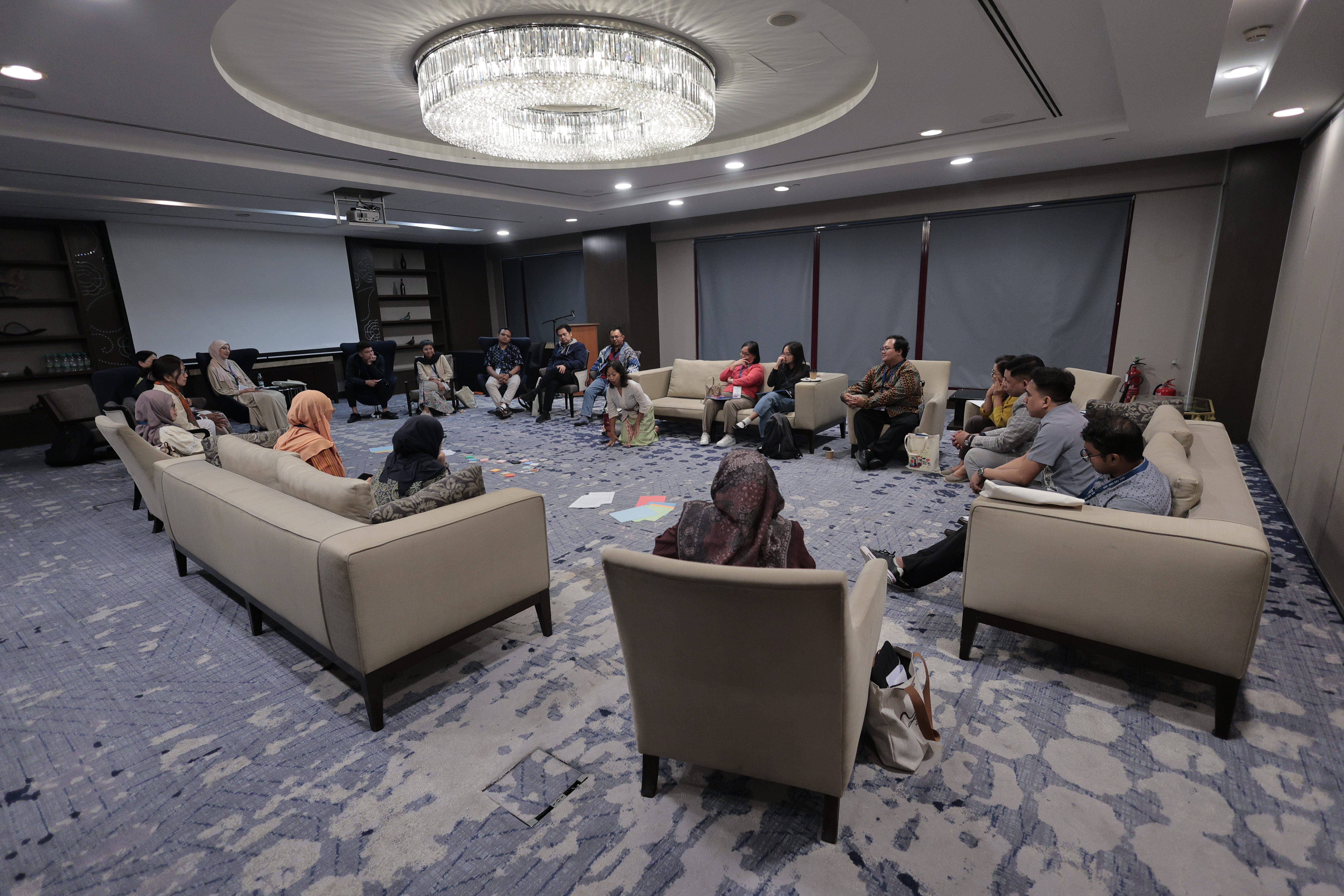
During a facilitated dialogue session led by Datu Mussolini Sinsuat Lidasan, participants considered how recalling moments of successful cooperation could help communities approach difficult conversations differently. Santiago highlighted the value of imagining a shared future rather than allowing discussions to remain focused on past grievances.
The session brought together 14 practitioners from Singapore, Malaysia, Indonesia, Thailand and the Philippines, using Appreciative Inquiry alongside Bitiala, a Maguindanaon practice of reciprocal dialogue. Rather than beginning with what divides communities, participants reflected on the experiences that had brought them together in the past and how those experiences might inform future cooperation.
For many delegates, the most direct experience of crossing religious lines came on the Kuala Lumpur Interfaith Heritage and Harmony Tour, as participants of different faiths visited the National Mosque, the Buddhist Maha Vihara and the Church of Our Lady of Fatima together.
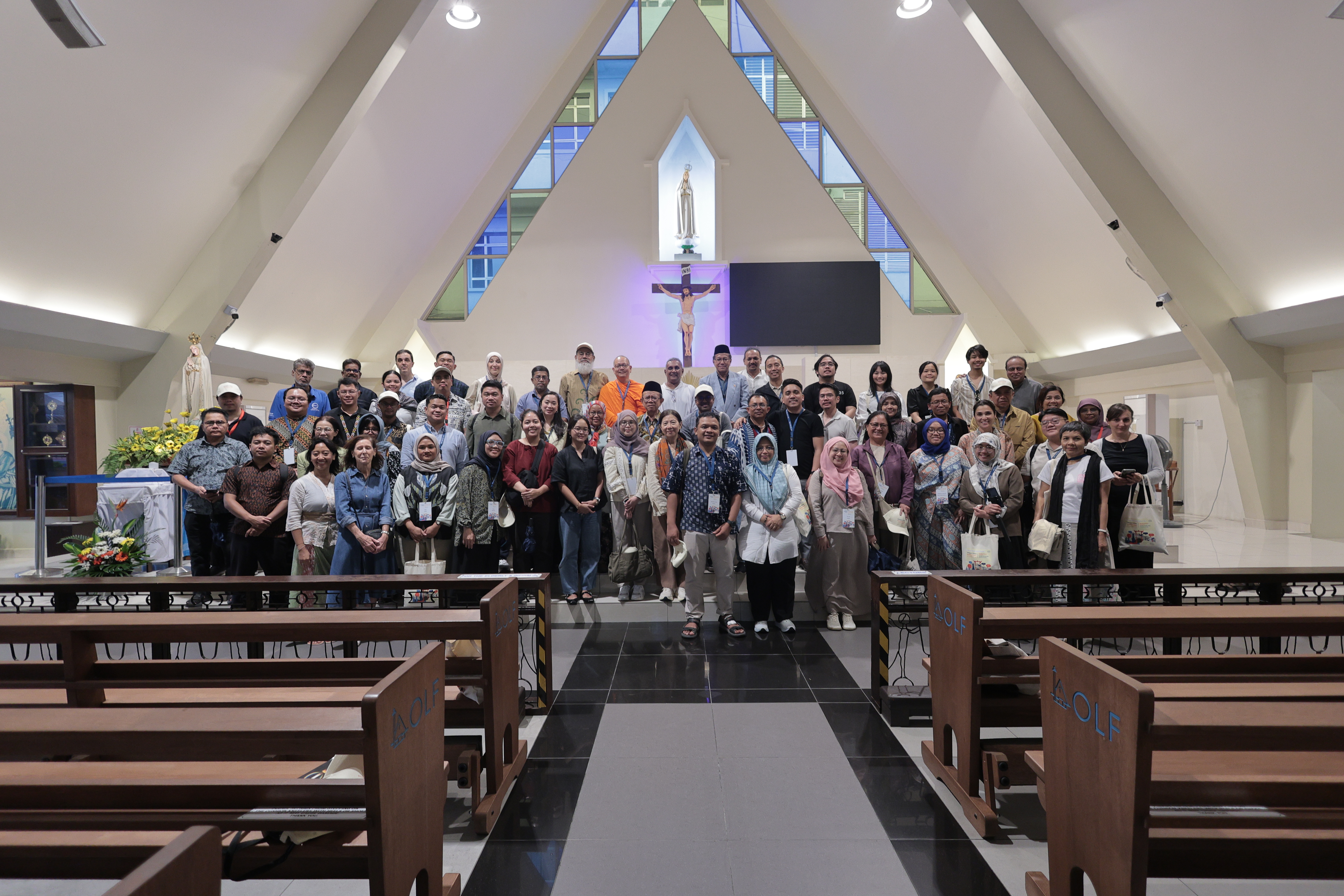
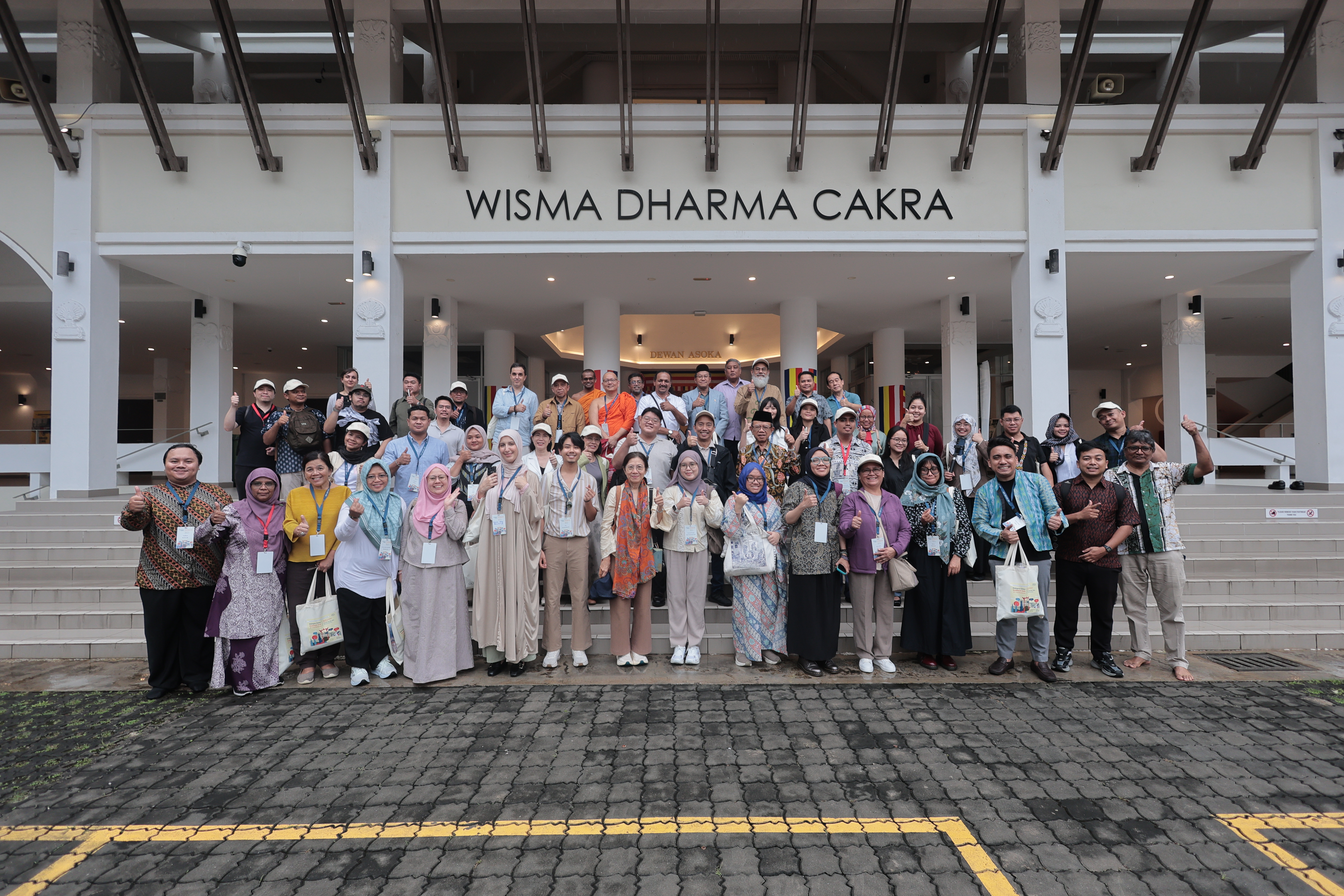
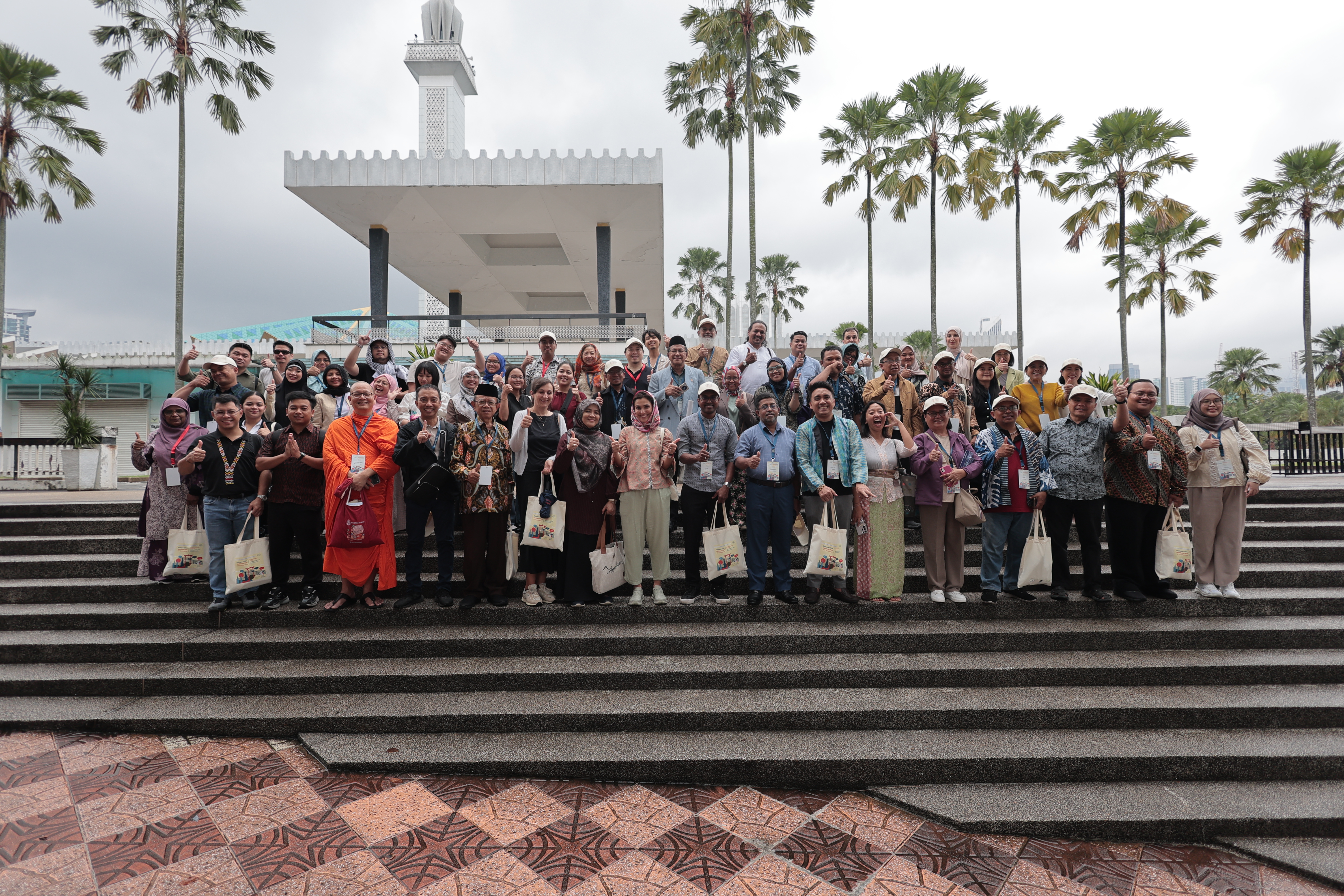
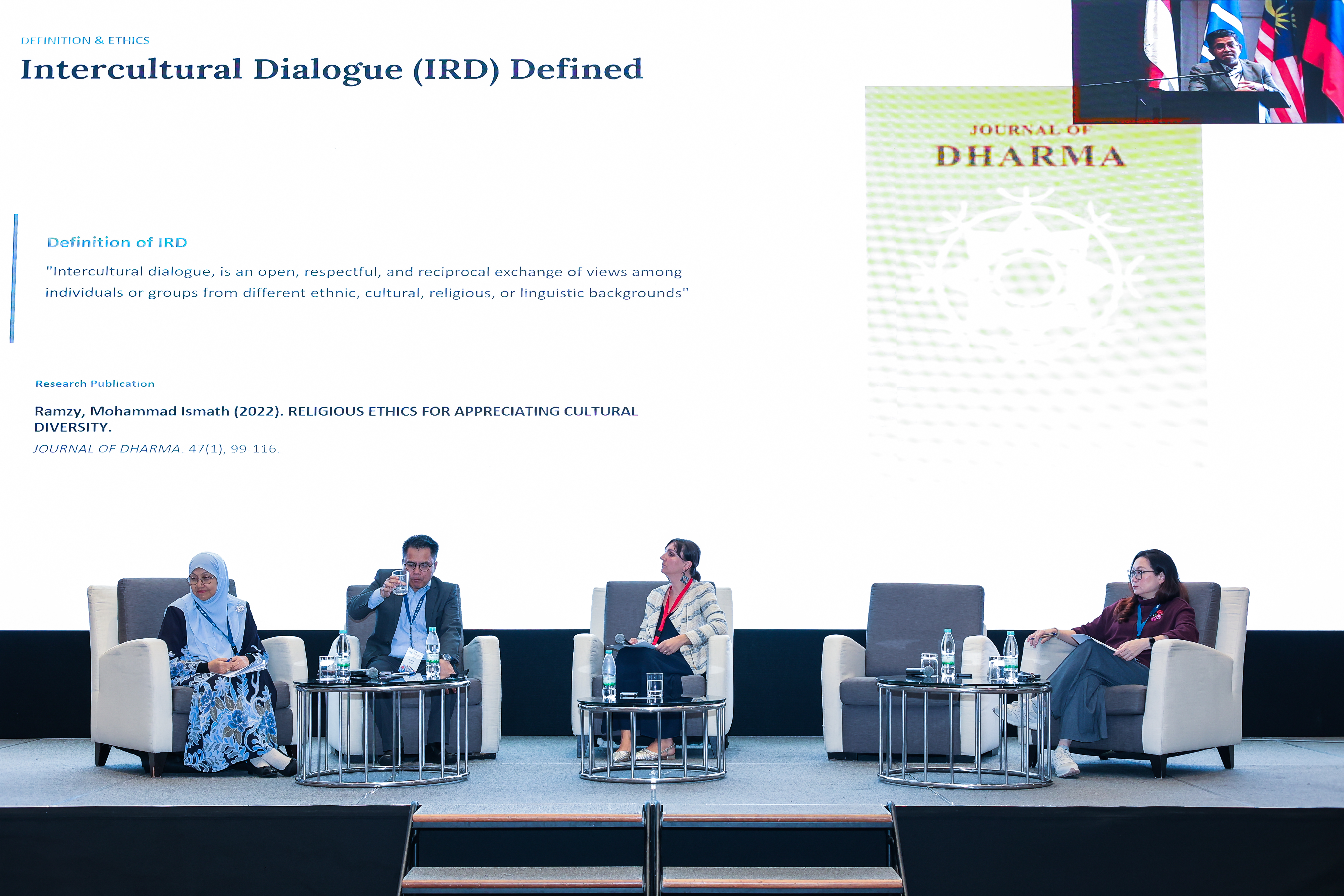
Reflecting on his visit to the mosque, Professor Paul Hedges, Professor of Interreligious Studies at Nanyang Technological University in Singapore, was struck by its welcoming atmosphere and open design.
“My first impression is that it’s really spacious and open, and everybody is welcome here. It reminds me a little of Regent’s Park Mosque in London, particularly the layout, the open courtyard and the water all around.”
Reaching across generations and digital divides
For other participants, building understanding begins closer to home, particularly among young people navigating increasingly polarised digital spaces.
Singapore’s delegation highlighted online radicalisation and polarisation as priorities requiring continued attention, and its representatives shared approaches to countering them while promoting interreligious and intercultural understanding.
In Yogyakarta, the focus extended to campuses, schools and youth networks. The delegation proposed interfaith mentoring, inclusion and diversity training for student journalists and student councils, and stronger engagement with young people considered vulnerable to radicalisation.
These proposals recognise that young people are not simply audiences for peacebuilding messages. They can also be active participants in shaping how their communities respond to intolerance and division.
The conference’s Cerita Kita (Our Story) exhibition offered another perspective, presenting stories from young people across Southeast Asia on faith, culture, dialogue and climate action.
Together, these initiatives showed how storytelling, education and meaningful participation can create spaces where young people encounter perspectives beyond their own.
From conversations to community action
While the discussions revealed different local priorities, they also raised a common concern: how can the relationships built through dialogue become part of everyday community life?
In Kuala Lumpur, one proposal focused on bringing universities, local authorities, educational institutions and religious communities into closer cooperation.
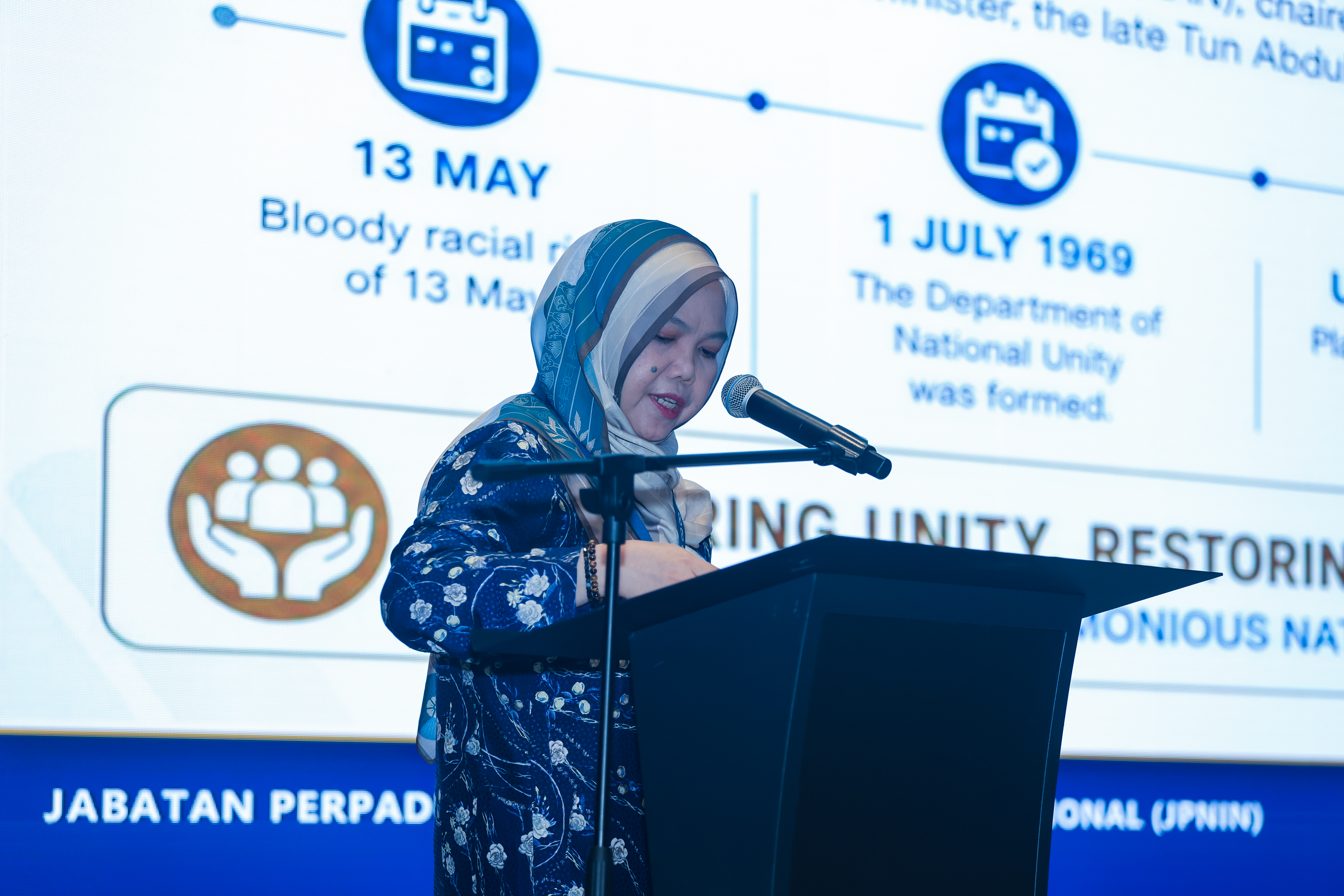
“Technical infrastructure alone cannot guarantee urban resilience. Long-term stability requires social infrastructure,” said Ir. Hj Mohd Jamaludin Shamsudin, Chief Executive Officer of ACCIN.
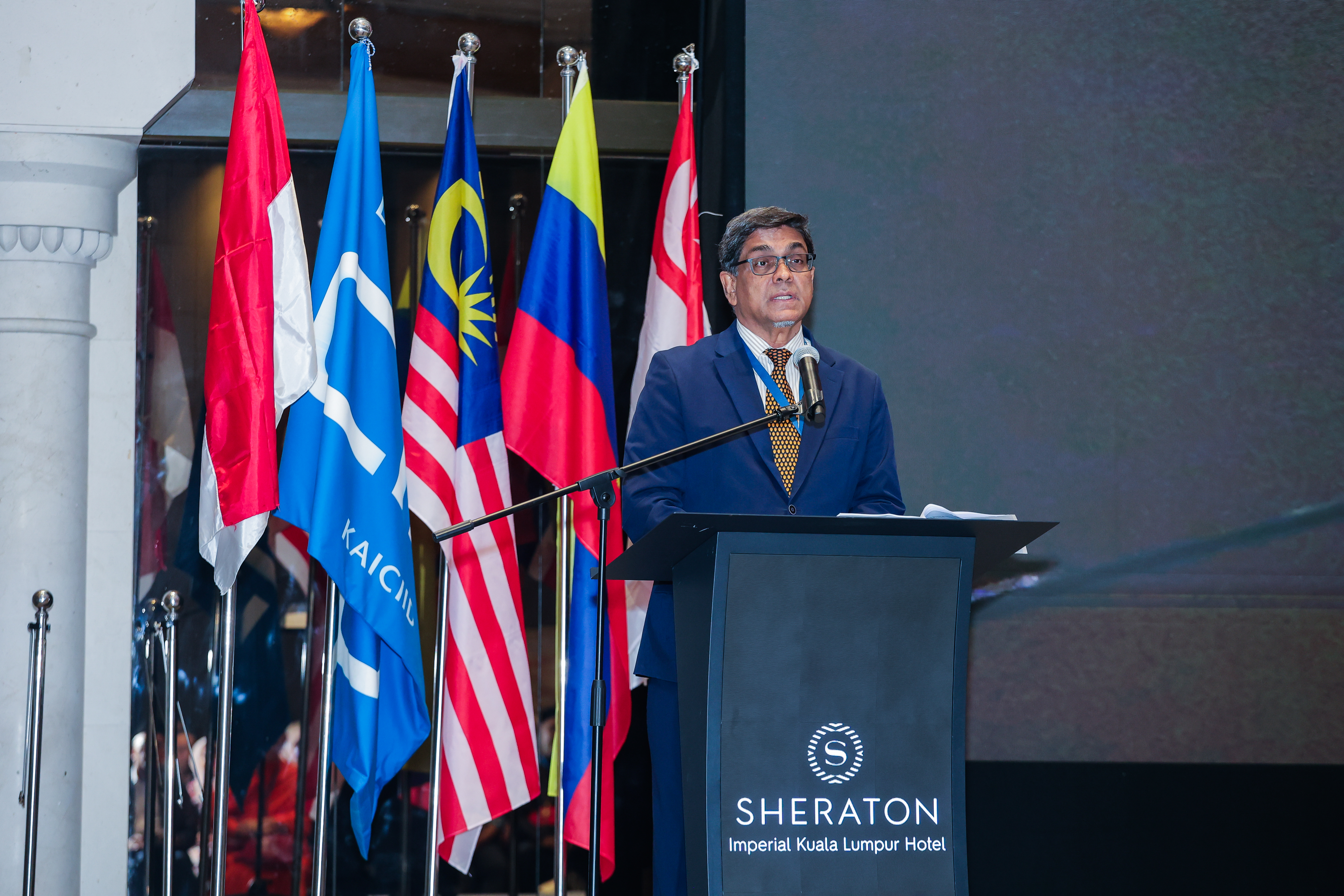
His observation reflected a recurring theme of the conference: resilient cities depend not only on physical infrastructure and public services, but also on trust, participation and the ability of communities to work through their differences.
Davao’s delegation similarly proposed permanent, multi-sectoral dialogue platforms recognised by local government, while participants from Yogyakarta identified the need to strengthen conflict prevention through training for public officials and religious leaders.
Across the discussions, participants considered how cooperation could continue through youth engagement, stronger local partnerships, early conflict prevention and collective responses to environmental challenges.
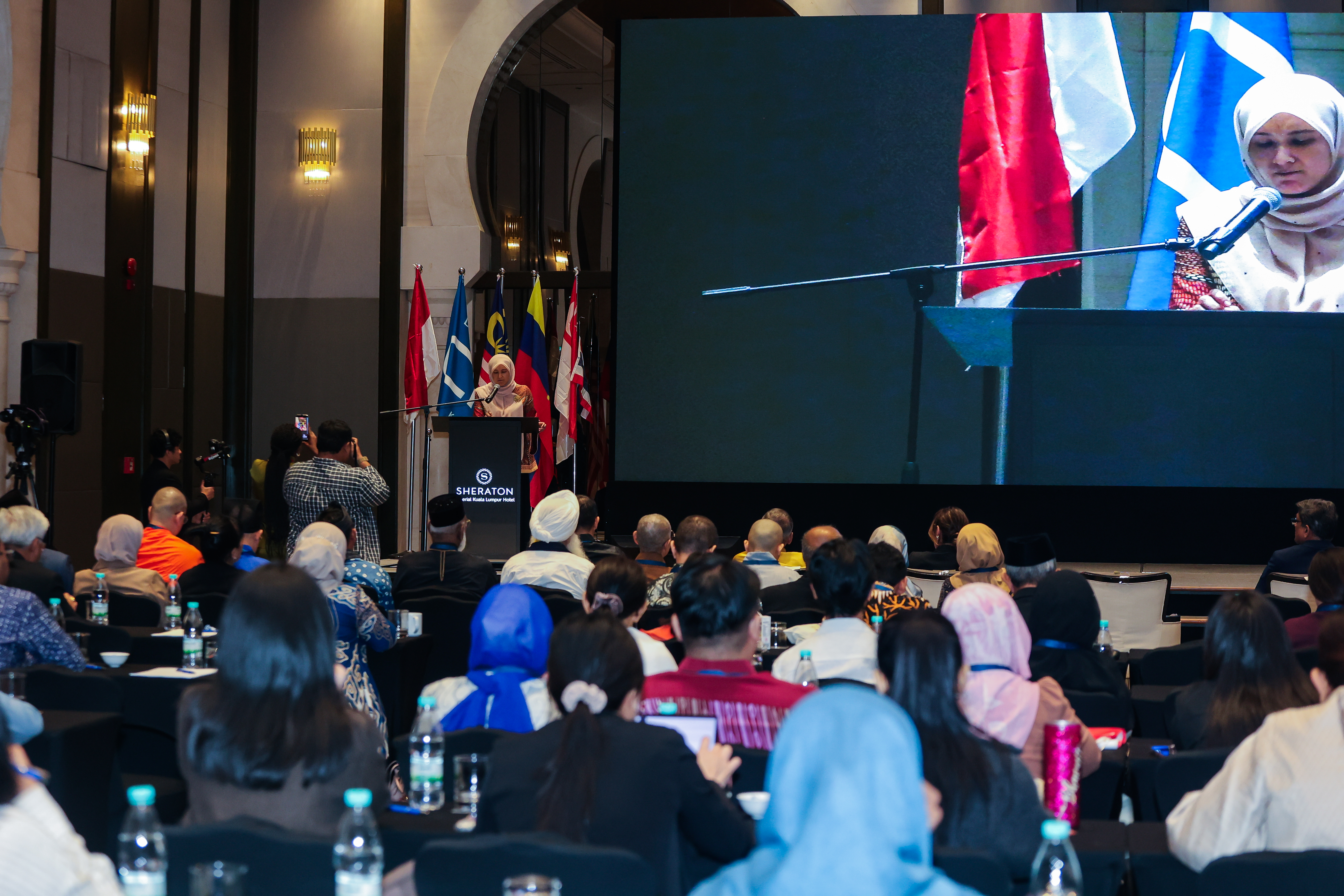
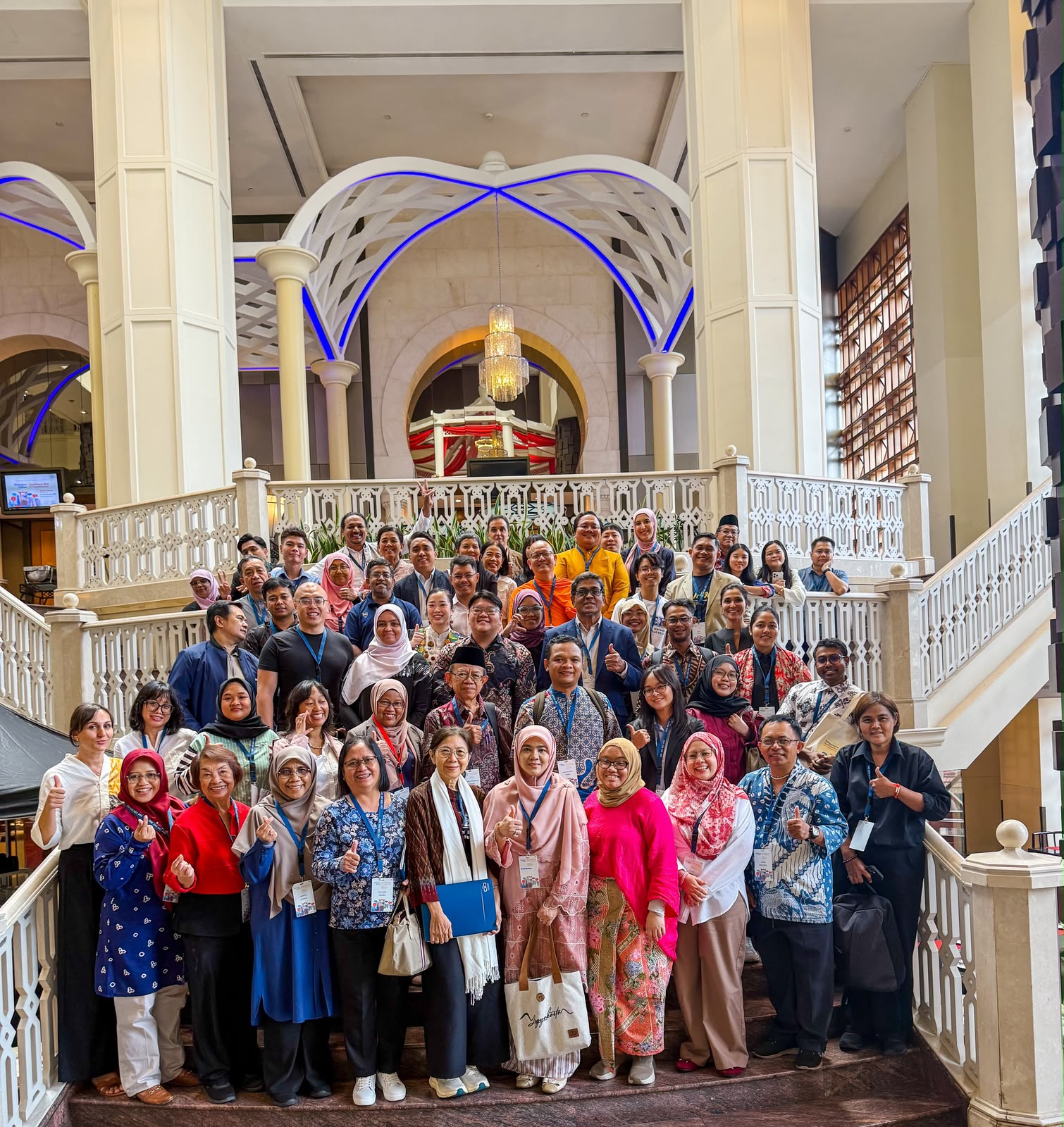
For KAICIID, these exchanges are part of the Dialogue Cities Southeast Asia Network’s continuing work to connect religious leaders, policymakers and civil society across the region. Following earlier conferences in Bangkok in 2023 and Davao City in 2024, the Kuala Lumpur gathering gave participants a further opportunity to share experiences, learn from one another and explore cooperation between cities.
The conversations did not produce a single solution to the challenges facing Southeast Asia. Instead, they revealed the different ways communities are working to overcome division, from widening interfaith participation and supporting young peacebuilders to addressing environmental threats and building trust in public institutions.
As Venerable Sing Kan of the Malaysian Buddhist Bhikkhuni Association reminded participants: “A helping hand has no race, and a compassionate heart has no religion.”
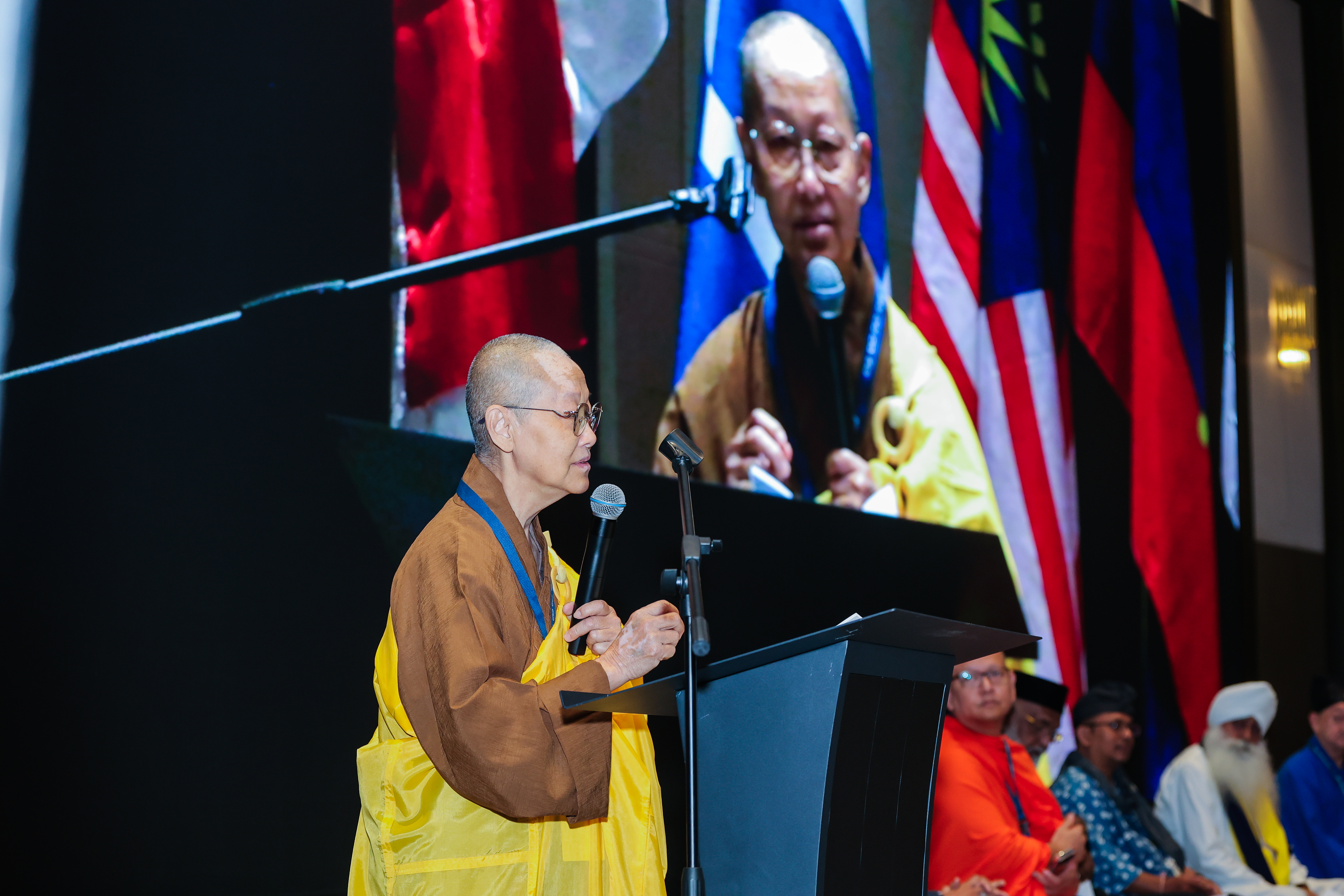
While the challenges facing Southeast Asian cities may differ, the willingness to listen, understand and work with others remains the starting point for addressing them.
About the Dialogue Cities Southeast Asia Network
The Southeast Asia Dialogue Cities Network brings together religious leaders, local government, civil society, women and young people to address the challenges of urbanisation, migration and social inclusion through interreligious and intercultural dialogue. Supported by KAICIID, the network held its first conference in Bangkok in 2023 and its second in Davao City in 2024. The 2026 conference in Kuala Lumpur was organised with ACCIN as local implementing partner.
From a volunteer facilitator in Bangkok to…
Communities suffer, not only from the echoes of broken men…