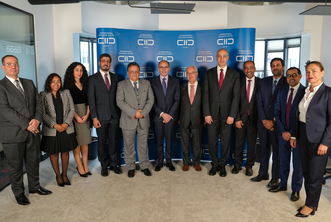
KAICIID and CPLP explore how dialogue can strengthen social cohesion across the Portuguese-speaking world

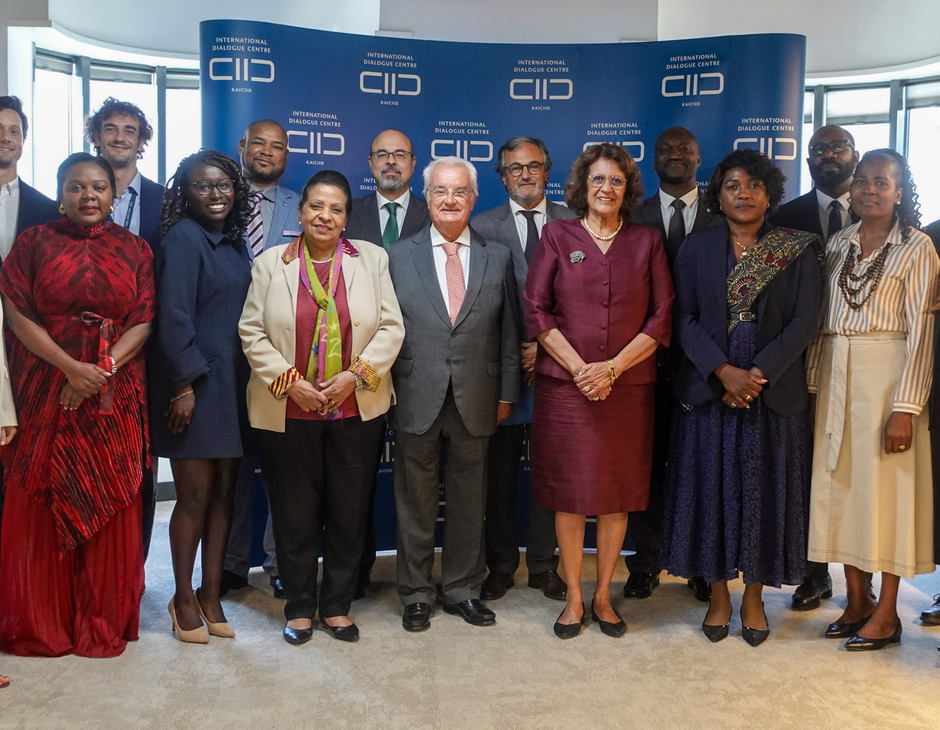
An inaugural roundtable between two intergovernmental organisations headquartered in Lisbon opens the way for closer cooperation, in the year the CPLP marks its 30th anniversary.
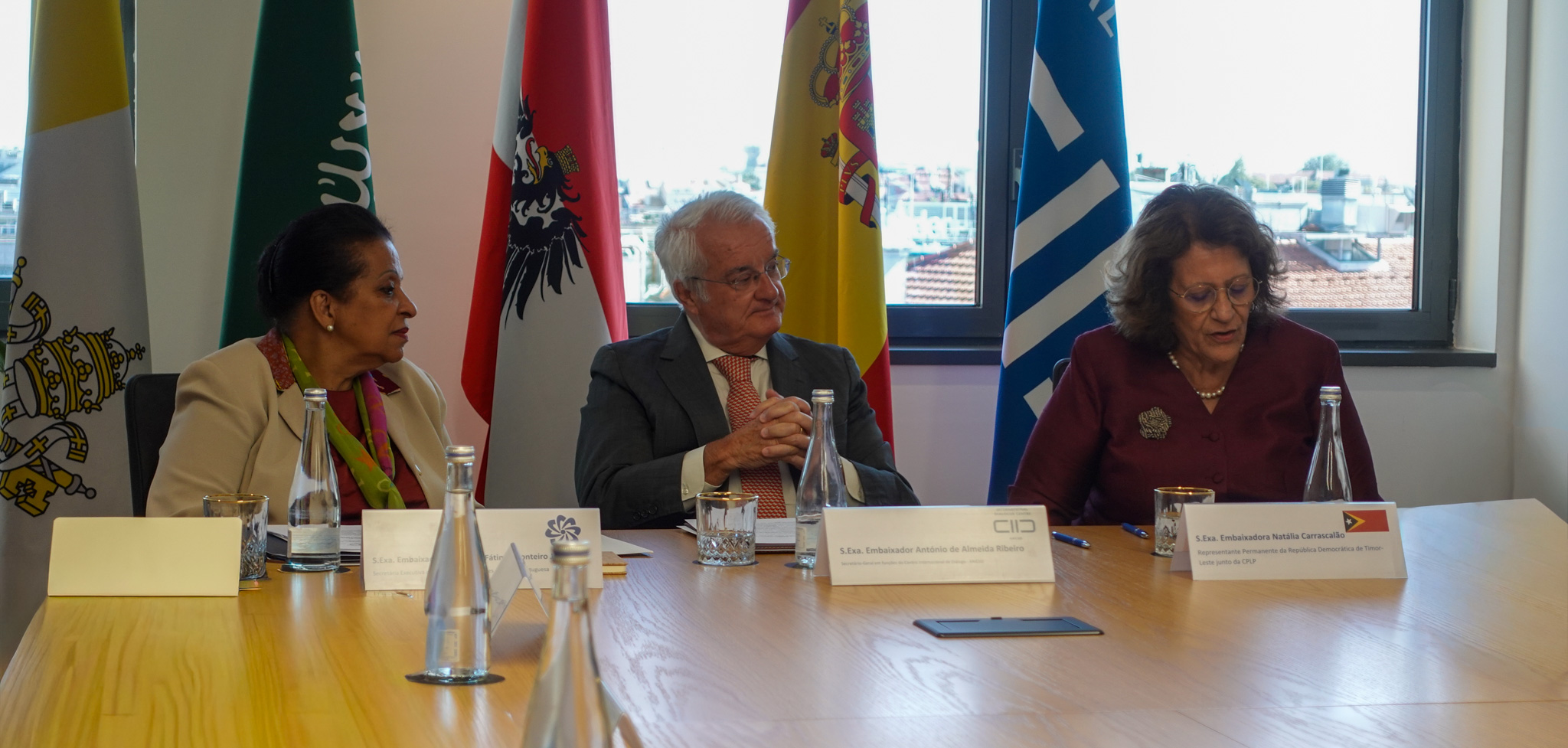
The International Dialogue Centre - KAICIID today welcomed senior officials and experts from the Community of Portuguese Language Countries (CPLP), together with representatives of its Member States, to discuss how interreligious and intercultural dialogue can support peace and social cohesion across the Portuguese-speaking world.
The CPLP brings together countries in Africa, Europe, Asia and Latin America, spanning diverse religious, cultural and social contexts, and represents an important space for exchange on dialogue and social cohesion. The meeting gave KAICIID an opportunity to introduce its mandate and experience, and to learn more about the priorities and perspectives of the CPLP and its Member States.
Conducted in Portuguese, the introductory session was designed to build institutional familiarity between the two organisations, both headquartered in Lisbon, and to explore where their mandates meet. CPLP Member States are home to a wide range of religious and cultural traditions, which makes dialogue a natural area of shared interest.
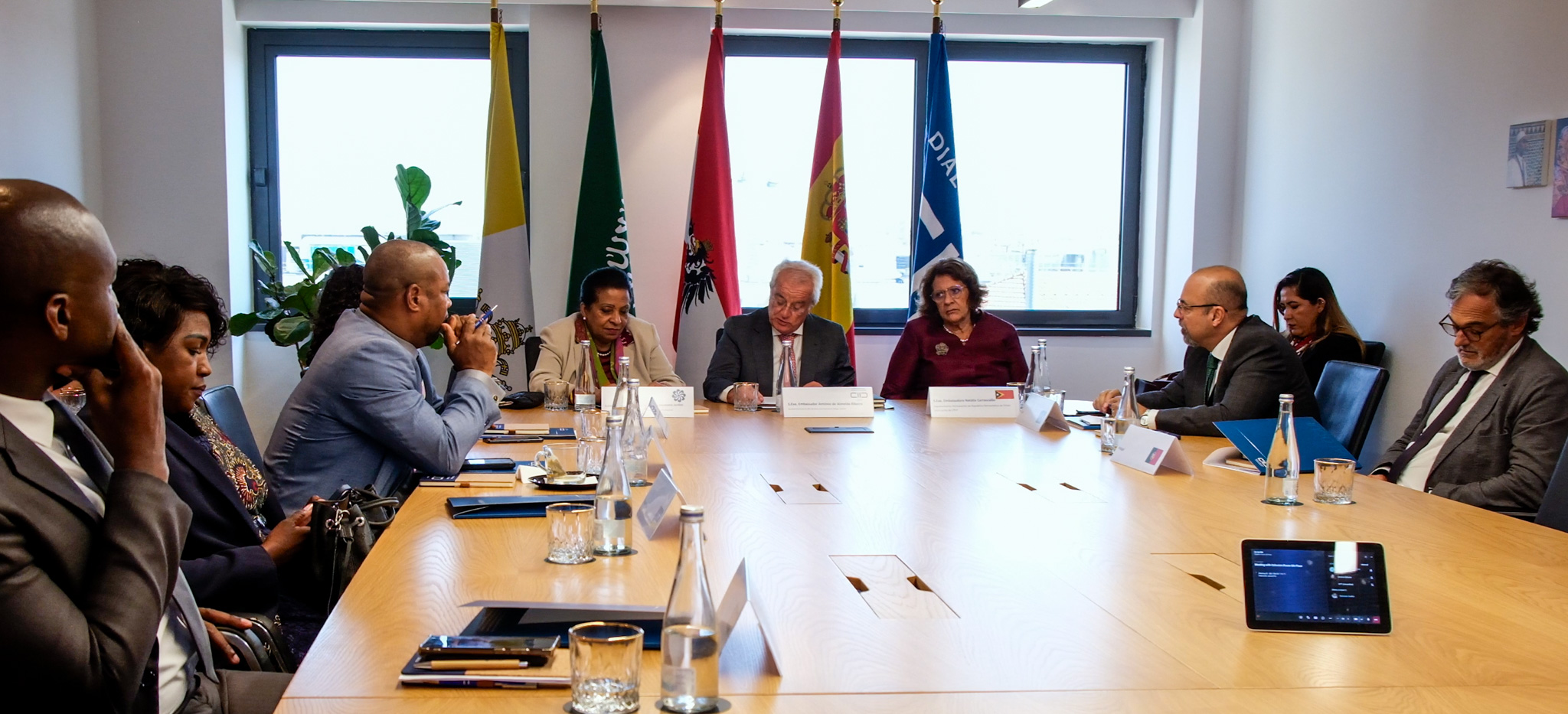
Acting Secretary General Ambassador António de Almeida Ribeiro welcomed participants. Opening remarks followed from Ambassador Maria de Fátima Jardim, Executive Secretary of the CPLP, and Ambassador Natália Carrascalão, Permanent Representative of Timor-Leste to the CPLP, who spoke on behalf of Timor-Leste's presidency of the organisation.
"The CPLP brings together countries with extraordinary geographical, cultural, historical and religious diversity, connected by a shared language and by a commitment to cooperation," said Acting Secretary General Ambassador António de Almeida Ribeiro. "For KAICIID, that diversity represents an opportunity for dialogue and mutual learning.''
KAICIID presented its programmes, which support religious leaders, policymakers and civil society in using dialogue to prevent conflict and strengthen social cohesion, with regional work across Africa, the Arab region, Asia and Europe, and growing engagement in Latin America.
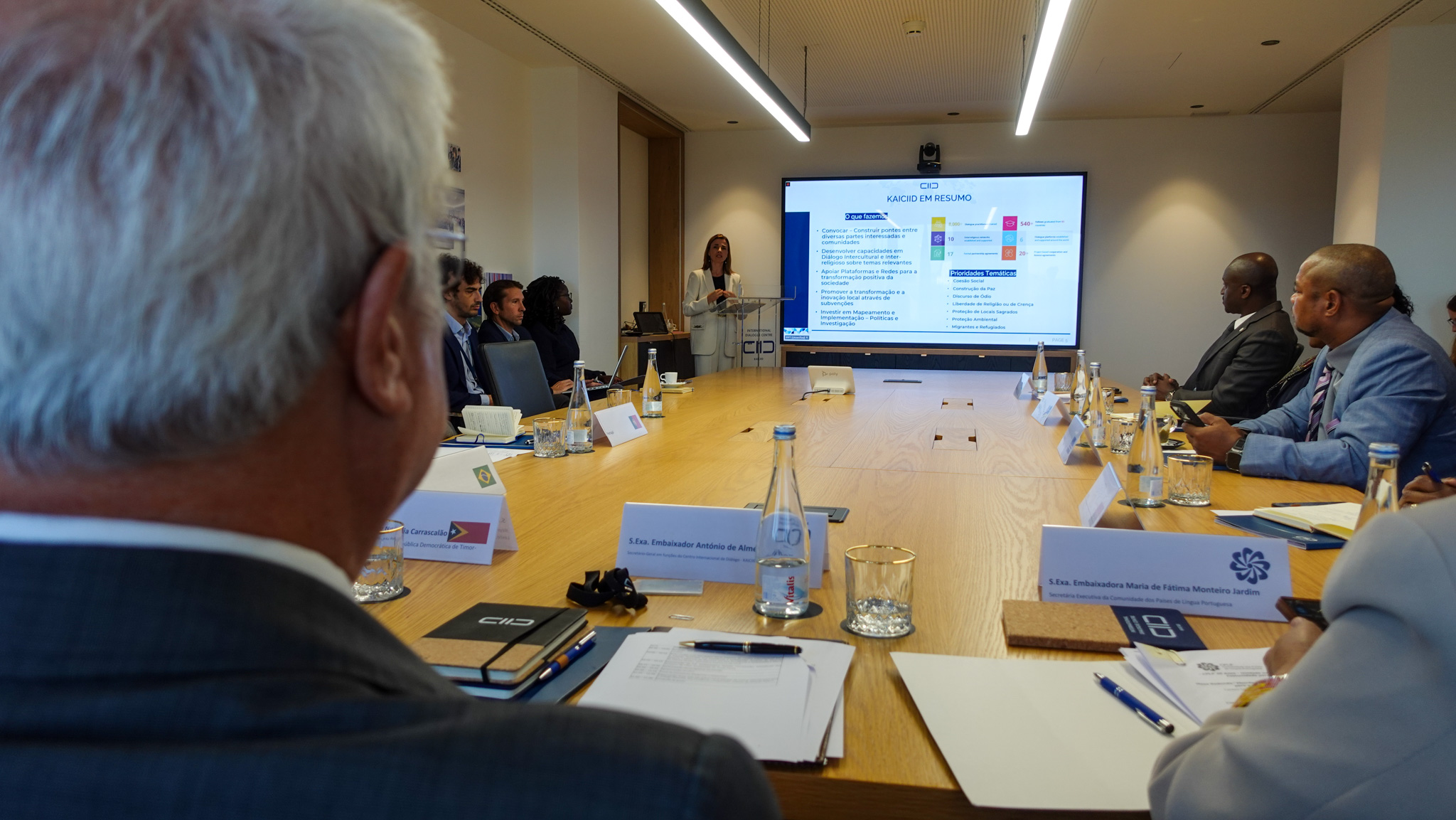
KAICIID also shared examples of its engagement in Portuguese-speaking contexts, including its work in Mozambique, where dialogue with religious actors has focused on peace and social cohesion, among them intra-Muslim dialogue in Cabo Delgado. This work has brought religious leaders together to address conflict, radicalisation and the misuse of religion to justify violence, while supporting locally led approaches to dialogue, education and community resilience.
More broadly, KAICIID's work in Portuguese-speaking countries includes investing in the training of Fellows and supporting the initiatives they lead, as well as collaboration with universities, interreligious working groups, civil society organisations and local cultural initiatives. In Portugal, this has included engagement with academic and civil society partners, connecting dialogue expertise with local experience and networks.
"Our ambition is not simply to convene people around a table," said Ambassador de Almeida Ribeiro. "It is to make dialogue useful for preventing tensions before they become conflicts, for rebuilding trust where societies have become divided, and for ensuring that religious and community voices are part of conversations that shape more inclusive and peaceful societies."
The CPLP Executive Secretariat outlined the organisation's work across its three pillars: political and diplomatic cooperation among Member States, cooperation across a wide range of sectors and the promotion of the Portuguese language.
The meeting forms part of KAICIID's continued engagement with intergovernmental organisations and diplomatic missions based in Portugal, following a dialogue with the Group of Latin American and Caribbean States (GRULAC) diplomatic corps in May 2026 and the signing of a memorandum of understanding with the Organization of Ibero-American States (OEI).
The discussion also comes as the CPLP marks its 30th anniversary, three decades after its establishment in Lisbon on 17 July 1996.