
KAICIID Roundtable: Migration, Social Cohesion, and Interreligious & Intercultural Dialogue in Mauritania | Nouakchott | May 2026
Migration in Mauritania is not only a question of movement across borders. It is also a question of trust, public perception, community relationships and the ability of institutions and civil society to support inclusion without ignoring local pressures.
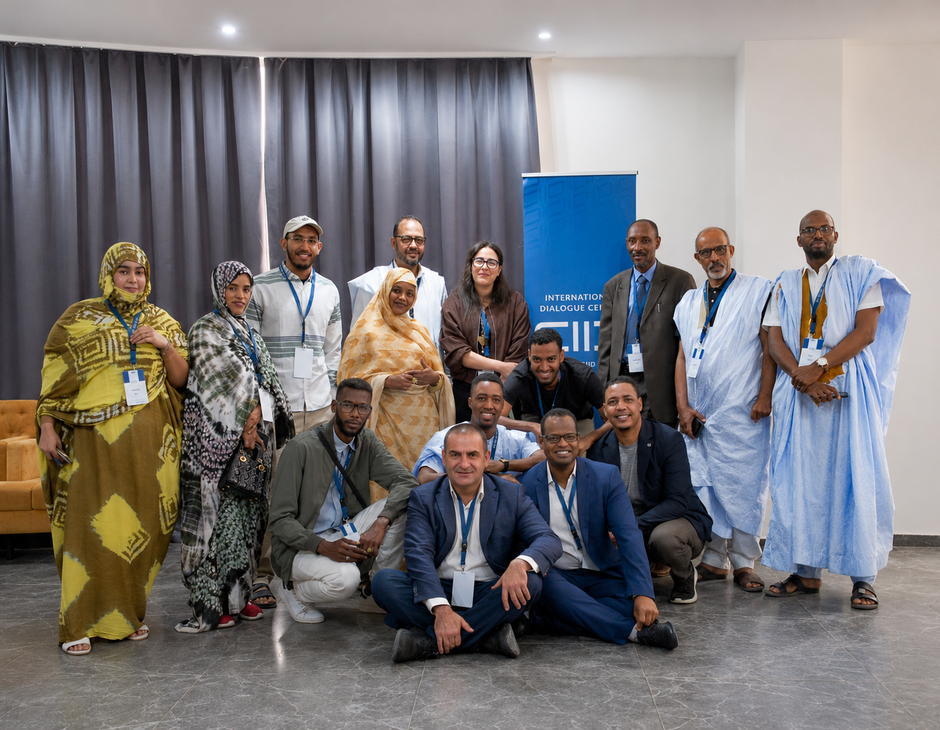
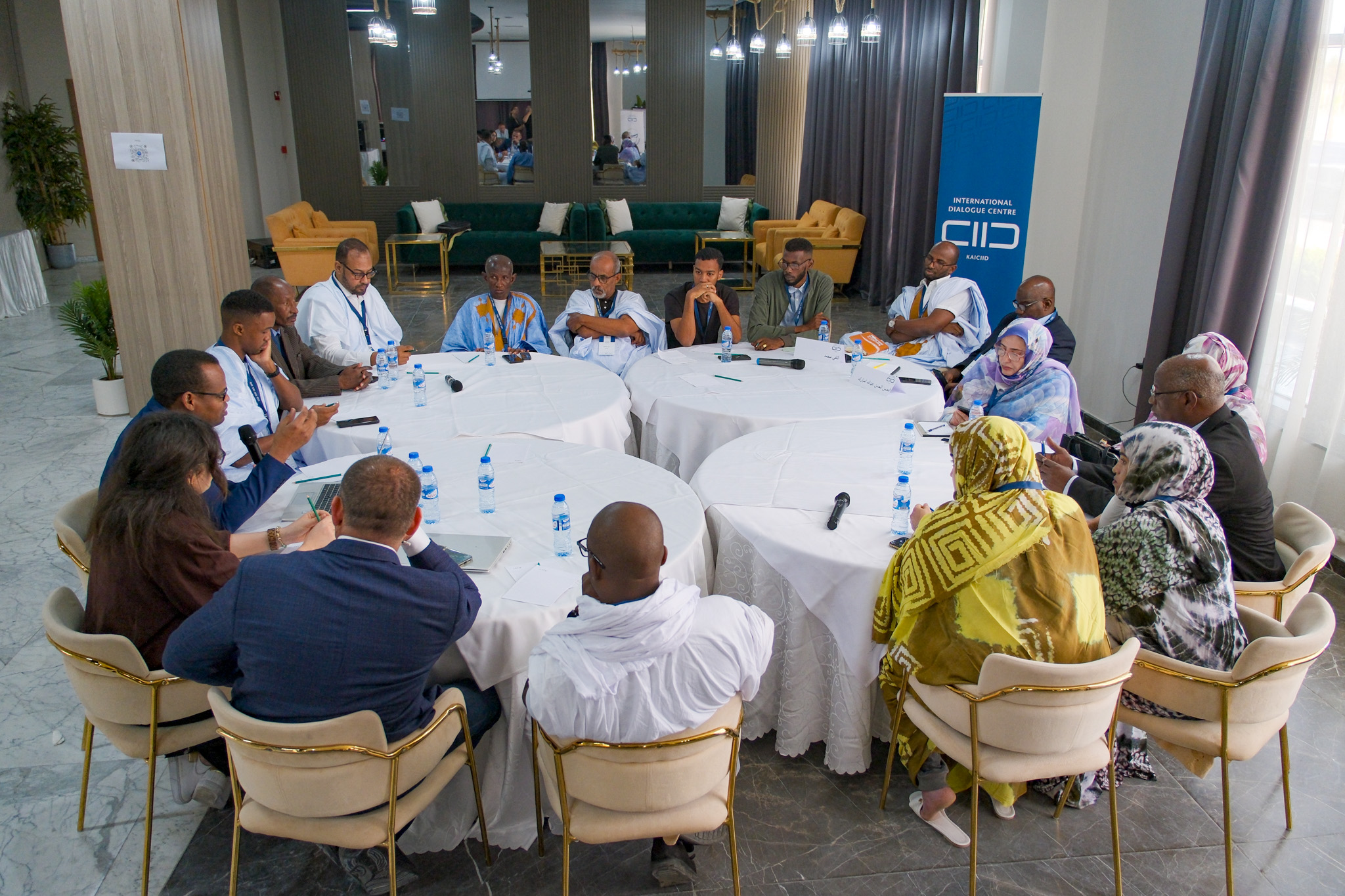
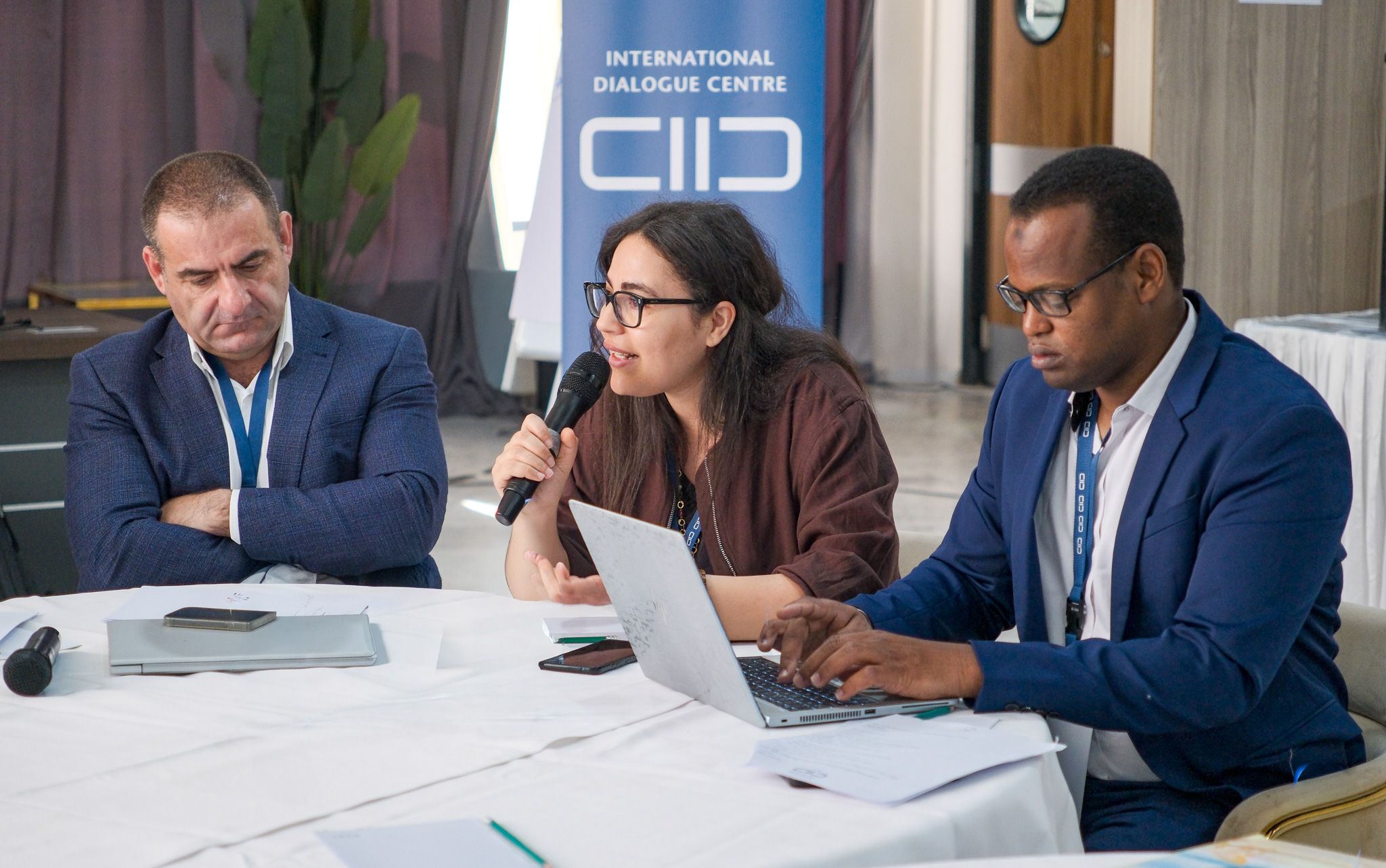
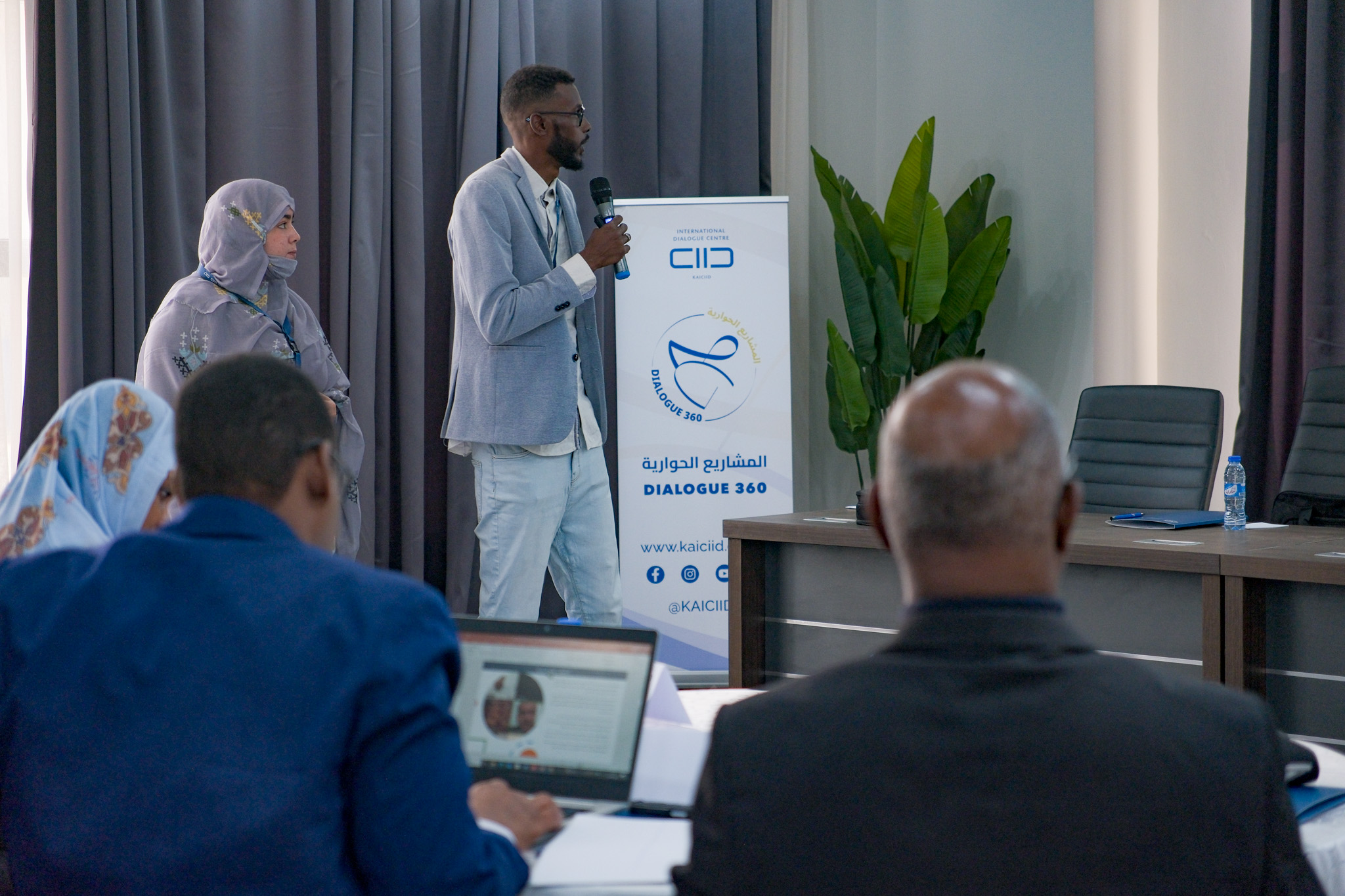
That was the central issue explored during a roundtable discussion on migration, social cohesion and interreligious and intercultural dialogue, held in Nouakchott on 24 May 2026 as part of KAICIID´s Dialogue360 monitoring and evaluation mission in Mauritania.
The discussion brought together Dialogue360 partners, Mauritanian civil society organisations working on migration and refugee issues, religious leadership and media practitioners – including Professor Ibrahim Bilal Ramadan, who serves as Chair of the Steering and Follow-up Council of the National Authority for Combating Trafficking in Persons and Smuggling of Migrants. It focused on the social and cultural challenges faced by migrant communities, particularly children, youth and women coming from Sub-Saharan Africa, and on how dialogue can help strengthen inclusion, peaceful coexistence and mutual understanding.
Mauritania presents a distinctive context for dialogue. Home to diverse ethnic, linguistic and cultural communities united by a predominantly Muslim identity, the country has long been characterized by strong traditions of community cooperation, solidarity and mutual support. These social values have helped communities address shared challenges and provide an important foundation for promoting inclusion and peaceful coexistence. As Mauritania continues to evolve as a country of transit and destination for migrants and refugees, these traditions offer a valuable basis for fostering dialogue, strengthening relationships between host and migrant communities, and supporting locally led responses to emerging social dynamics.
Migration and social cohesion
Participants discussed Mauritania’s migration context, including the presence of migrant and refugee communities from neighbouring countries and other parts of Sub-Saharan Africa. They acknowledged efforts to support regularisation and inclusion, while also pointing to the challenges of managing migration in a context of limited resources and economic pressure.
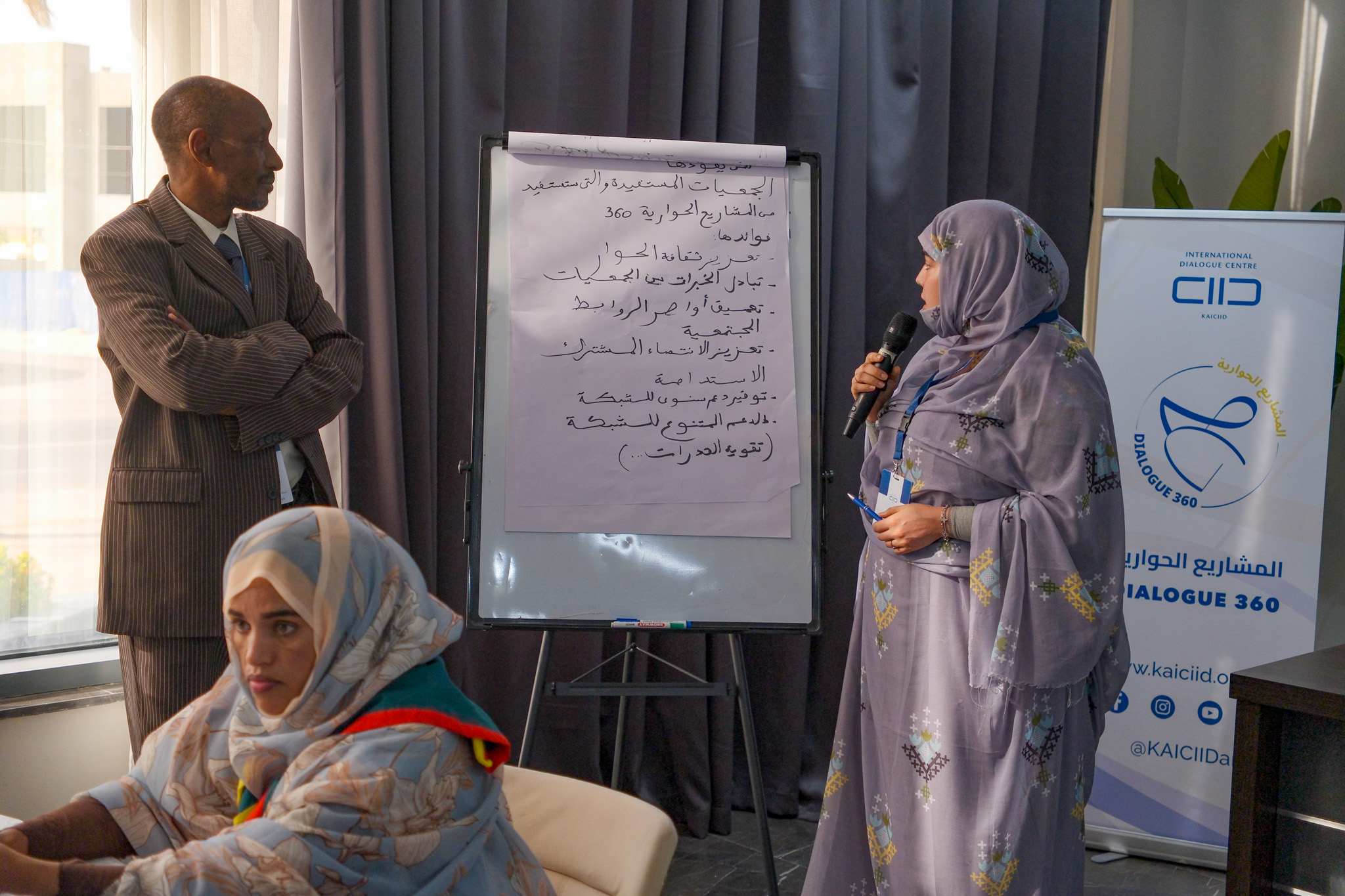
Several concerns were raised around irregular migration, including risks linked to human trafficking, drug trafficking, exploitation and the vulnerability of migrants living or working outside formal systems. Participants stressed the importance of awareness raising so that migrants can better understand regularisation procedures, available support mechanisms and the risks associated with informal routes.
The roundtable's agenda also framed how children, young people, and women experience integration within local communities as a key question for discussion: whether inclusion depends not only on access to services, but also on whether schools, neighbourhoods and community spaces allow them to feel safe, recognised and accepted.
The role of religious and community actors
The roundtable opened with reflections by Dr. Zain Imam, former member of the High Islamic Council, on Islamic teachings concerning migrants, refugees and displaced persons. His remarks framed solidarity, hospitality, dignity, and support for vulnerable populations as ethical references for addressing migration challenges.
This framing was important because migration is often discussed through administrative or security language. Participants pushed the conversation further, asking how religious leaders, educators, youth organisations, media and civil society can help reduce discrimination and strengthen trust between migrant or displaced and host communities.
The discussion showed that interreligious and intercultural dialogue can play a practical role when it is linked to real community concerns. Dialogue can help address stereotypes, create safer spaces for interaction, support peaceful coexistence and prevent tensions from hardening into social division.
Civil society as a bridge
Civil society organisations emerged as central actors throughout the discussion. Participants highlighted their role in providing support services, facilitating access to information and acting as intermediaries between migrant communities, host communities and institutions.
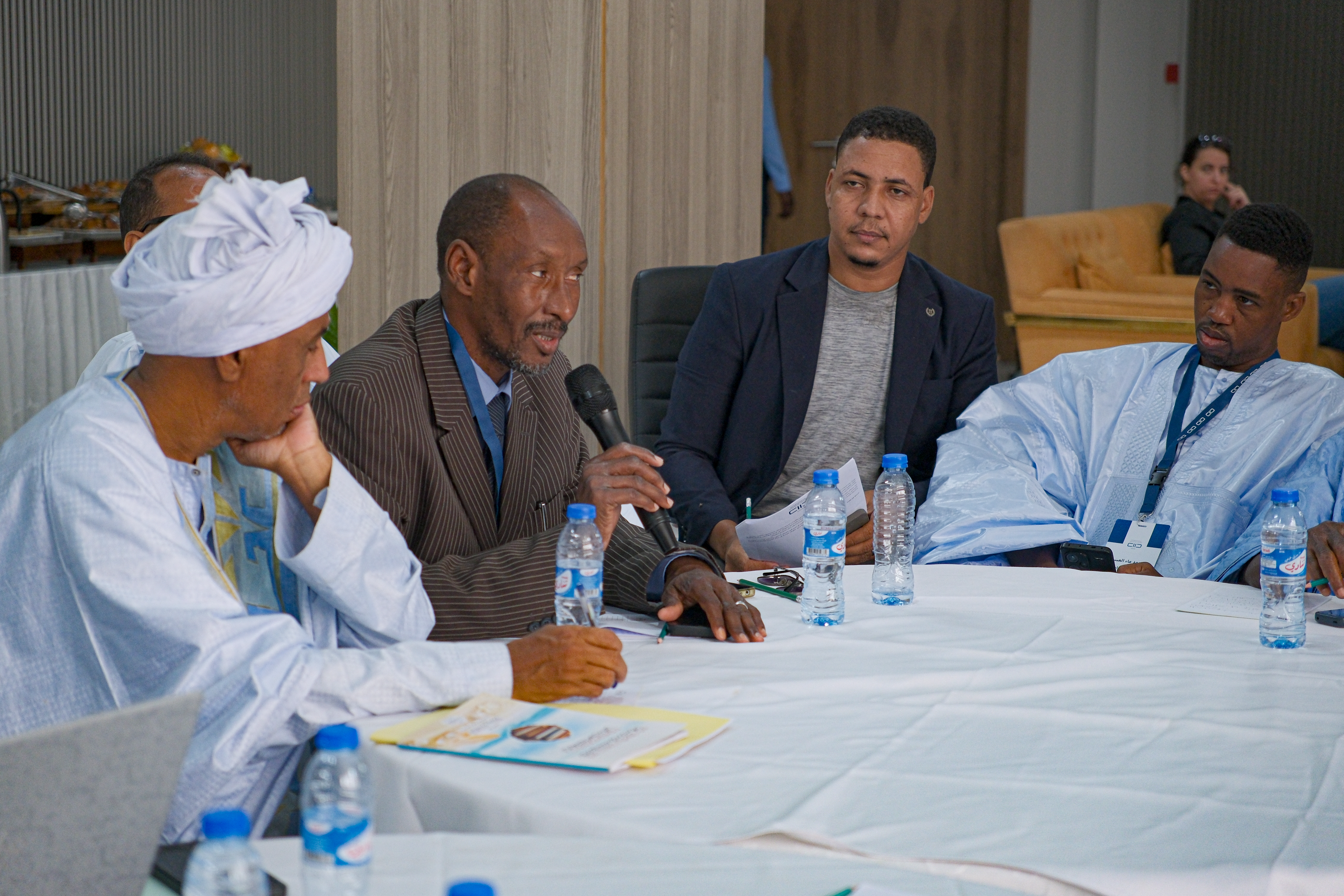
This bridging role is especially important when migrants are unfamiliar with formal systems or when public institutions face capacity constraints. Civil society actors can help identify needs early, explain procedures, support community engagement, and build relationships that are difficult to establish through official channels alone.
At the same time, participants made clear that civil society cannot carry this work alone. Effective responses require cooperation among public institutions, religious leaders, educators, media representatives, local organisations and migrant communities.
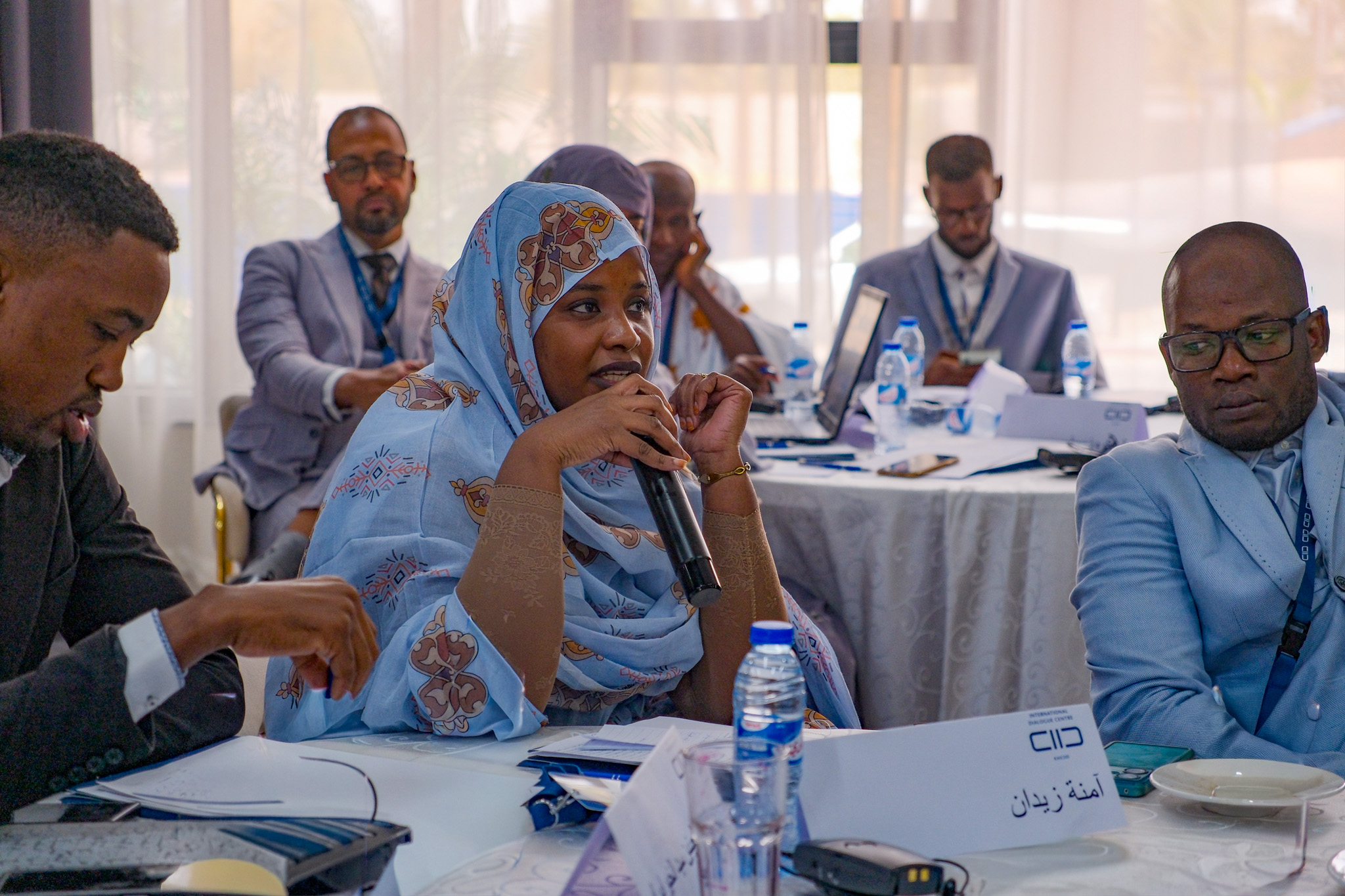
The media’s role in shaping public perception was also discussed. Participants stressed the need for balanced reporting that avoids fueling fear or stereotypes, while still allowing honest discussion of the challenges associated with migration. In contexts where misinformation can quickly affect relations between communities, responsible public communication becomes part of the social cohesion response.
A call for broader national dialogue
One of the clearest signals to emerge from the roundtable was an informal request for KAICIID to consider facilitating a broader national dialogue process on migration and social cohesion in Mauritania. Participants suggested that such a process could bring together government institutions, civil society organisations, religious leaders, media representatives and migrant communities. The aim would be to build a shared understanding of migration-related challenges and identify practical responses that strengthen inclusion, dignity and peaceful coexistence.
The recommendation reflects a wider message from the discussion: migration cannot be addressed only through isolated projects or short-term interventions. It requires sustained conversation, coordination, and trust between the most affected by and responsible for community level responses.
By placing dialogue at the centre of the discussion, the roundtable moved beyond a narrow view of migration. It treated migration as a human, social, and institutional issue that requires multilateral cooperation.
For Mauritania, where migration intersects with economic pressure, public perception, youth inclusion and community resilience, this kind of dialogue may be one of the most useful tools available. Not as a substitute for policy, but as a way to ensure that policy and community action are informed by the people who live in these realities every day.