
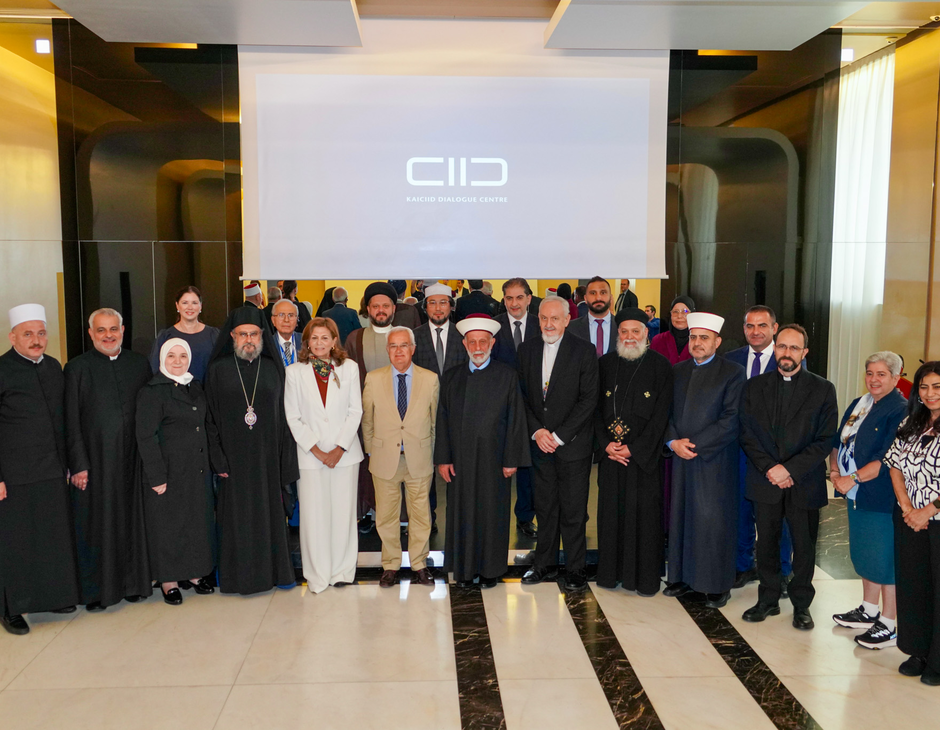
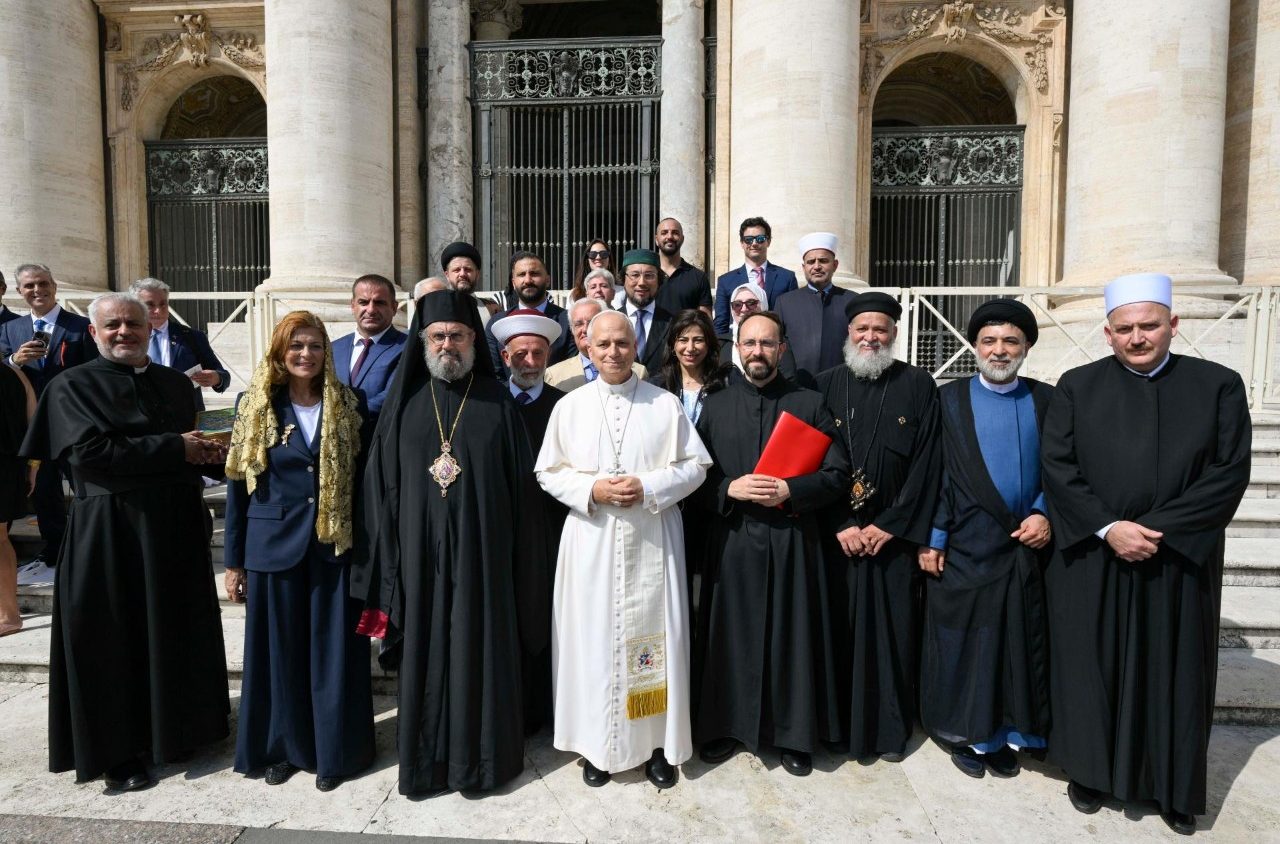
Pope Leo XIV today renewed his welcome to members of the Steering Committee of the Interreligious Platform for Dialogue and Cooperation in the Arab World (IPDC), thanked them for their cooperation with the International Dialogue Centre – KAICIID, and expressed his support for their efforts to advance peaceful coexistence across the Arab region.
Addressing members of the IPDC delegation during his General Audience in St Peter’s Square, the Holy Father expressed the hope that their work to promote peaceful coexistence in the region would “bear much fruit.”
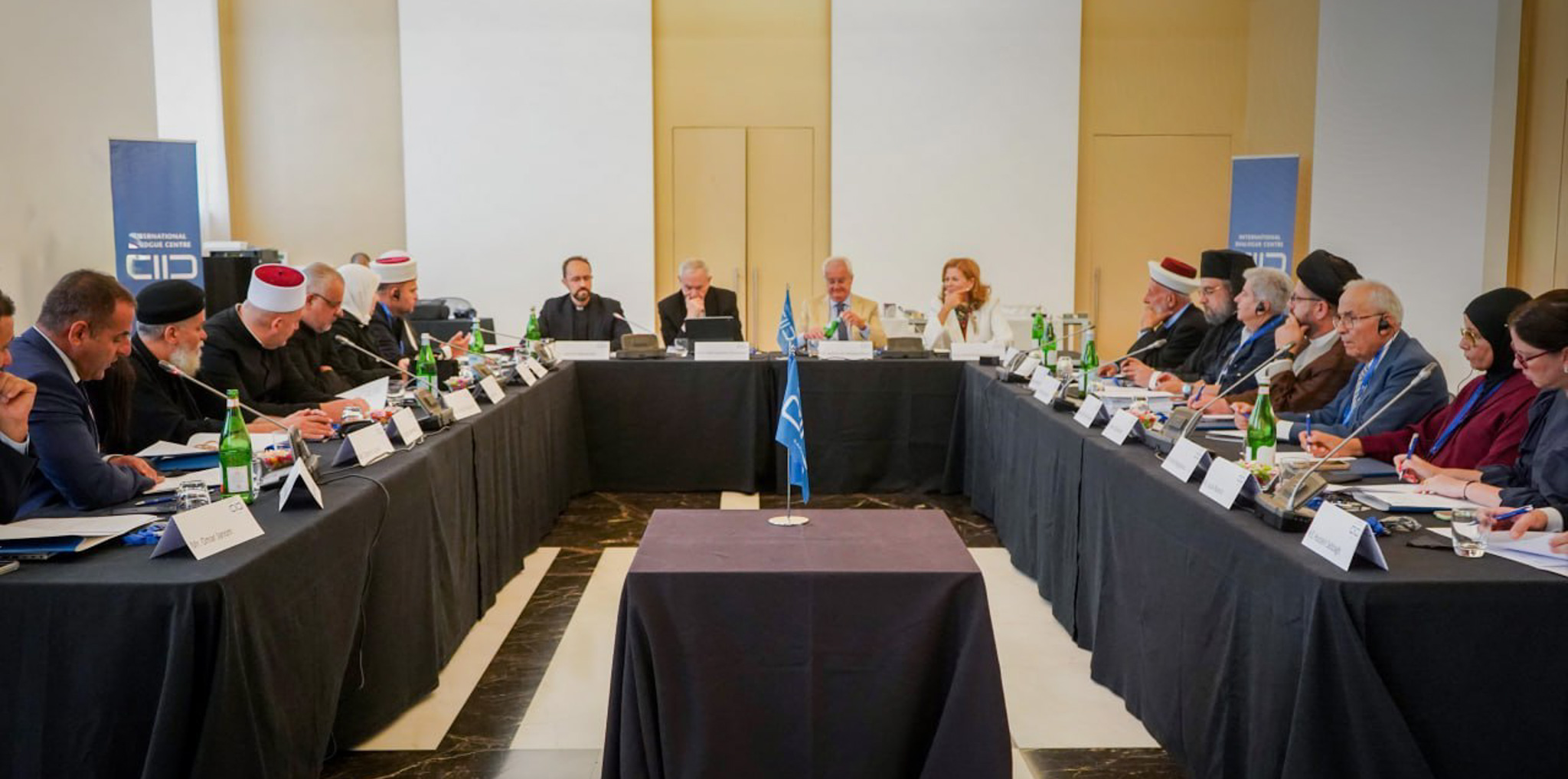
The encounter concluded the 2026 IPDC Steering Committee Meeting, at which Muslim and Christian religious leaders from across the Arab region identified concrete priorities for future cooperation on conflict prevention, Syria, intra-Muslim dialogue, hate speech and the growing influence of social media and artificial intelligence.
Supported by the International Dialogue Centre – KAICIID and COREIS (the Italian Islamic Religious Community), the meeting brought religious leaders, institutions and dialogue practitioners together to review work undertaken during 2025 and 2026 and define priorities for the Platform’s next phase.
The encounter with Pope Leo XIV provided a significant conclusion to discussions centred on a common question: how can Muslim and Christian Arab religious leaders move from dialogue to practical cooperation at a time of conflict, polarisation and rapid technological change?.
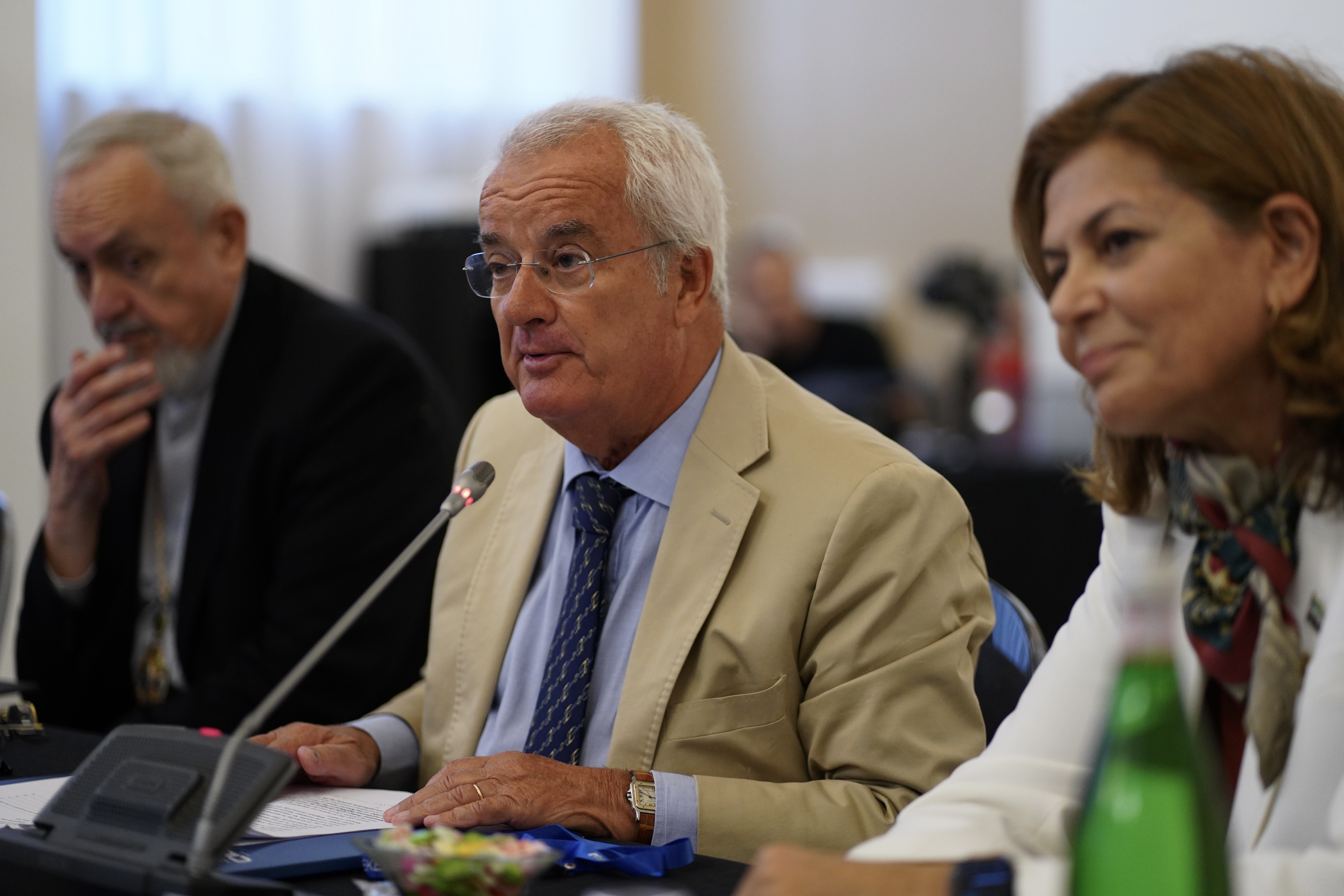
“Ultimately, the success of the Platform will not be measured by the number of meetings we hold, but by what those meetings make possible afterwards,” said Ambassador António de Almeida-Ribeiro, Acting Secretary-General of KAICIID.
The meeting identified several areas for continued work, including follow-up to intra-Muslim dialogue consultations, further engagement in Syria, joint initiatives across the region, responses to hate speech and priorities for the IPDC’s 2027 Programme of Work. These areas build on the formal agenda, which included the outcomes of consultations in Erbil and Lebanon, planned initiatives in Syria, Iraq and Lebanon, and lessons from work addressing hate speech in Egypt.
A further priority emerging from the discussions was the role of social media and artificial intelligence.
Participants recognised that digital platforms and AI increasingly shape how communities understand one another. They can allow misinformation, hate speech and polarising narratives to cross borders rapidly, but they can also enable religious leaders to reach communities far beyond traditional places of worship.
The discussion therefore focused on how Muslim and Christian religious leaders can harness social media and AI as forces for good, using them to cross geographical, cultural and religious boundaries and expand interreligious and intercultural dialogue into communities where it is most needed.
For KAICIID, this forms part of a wider ecosystem of prevention. Religious leaders cannot remain passive observers of the environments in which polarisation develops. Their authority, relationships and community reach give them a particular capacity to challenge harmful narratives, open channels of communication and create spaces for dialogue before social divisions escalate.
KAICIID’s Acting Secretary-General added: “The task before us is not to eliminate differences. It is to ensure that differences do not become barriers to peaceful coexistence.”
Syria was another major focus of the meeting, including the role religious and community actors can play in reconciliation and rebuilding social trust.
H.E. Dr Hind Kabawat, Minister of Social Affairs and Labour of the Syrian Arab Republic and a founding member of the IPDC, stated during her intervention, alluding to the power of local initiatives: “Syria’s future does not depend only on rebuilding infrastructure — it depends on rebuilding trust among Syrians themselves.”
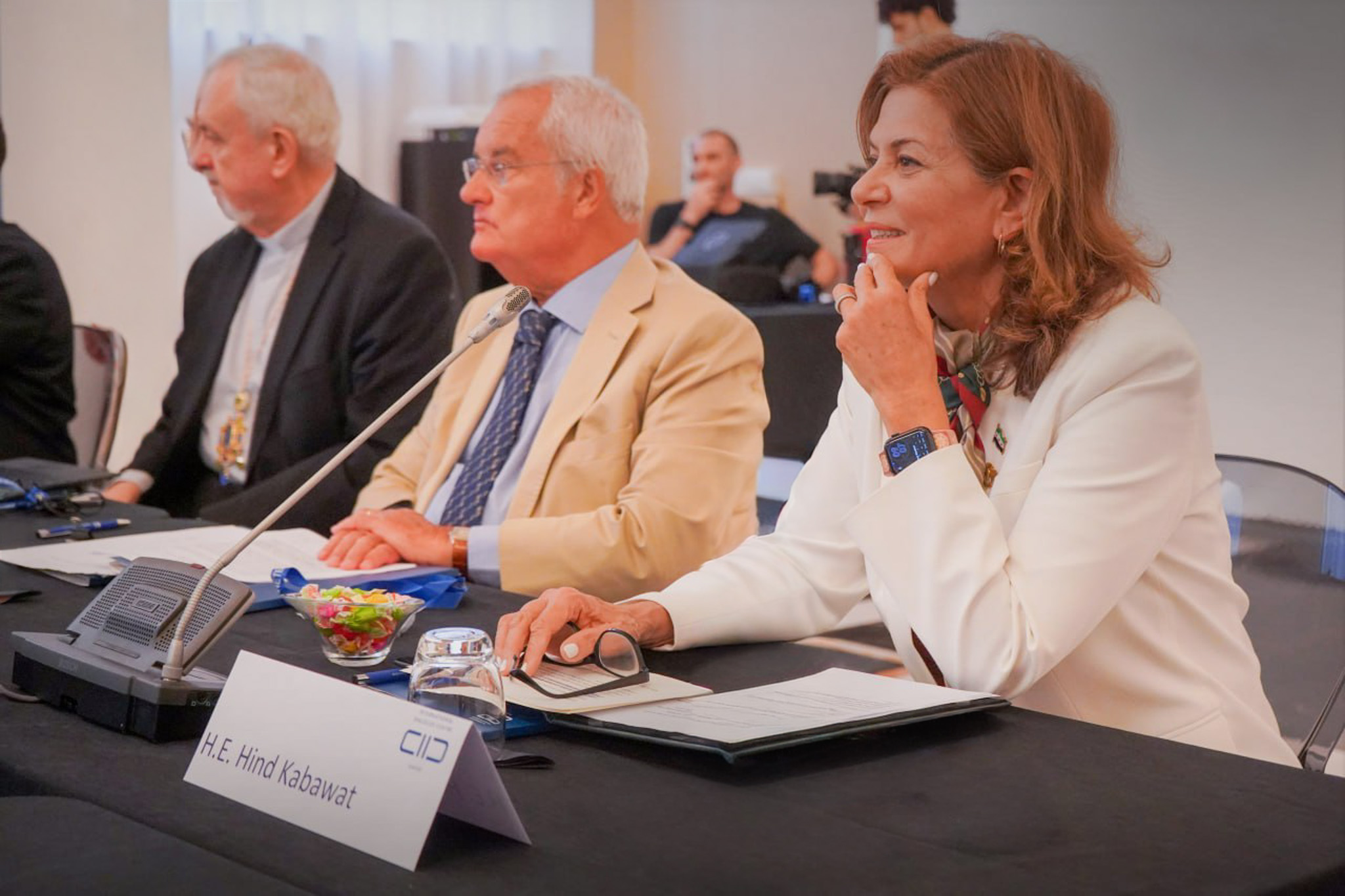
She argued that local reconciliation should engage women, young people and religious and community leaders as authors of Syria’s recovery, and that diversity should be protected as a national asset rather than allowed to become a fault line.
Metropolitan Elder Emmanuel of Chalcedon, Chairman of the KAICIID Board of Directors, emphasised that the challenges facing one religious community ultimately affect society as a whole, stating that “the health of the ‘other’ constitutes a prerequisite for our own survival.”
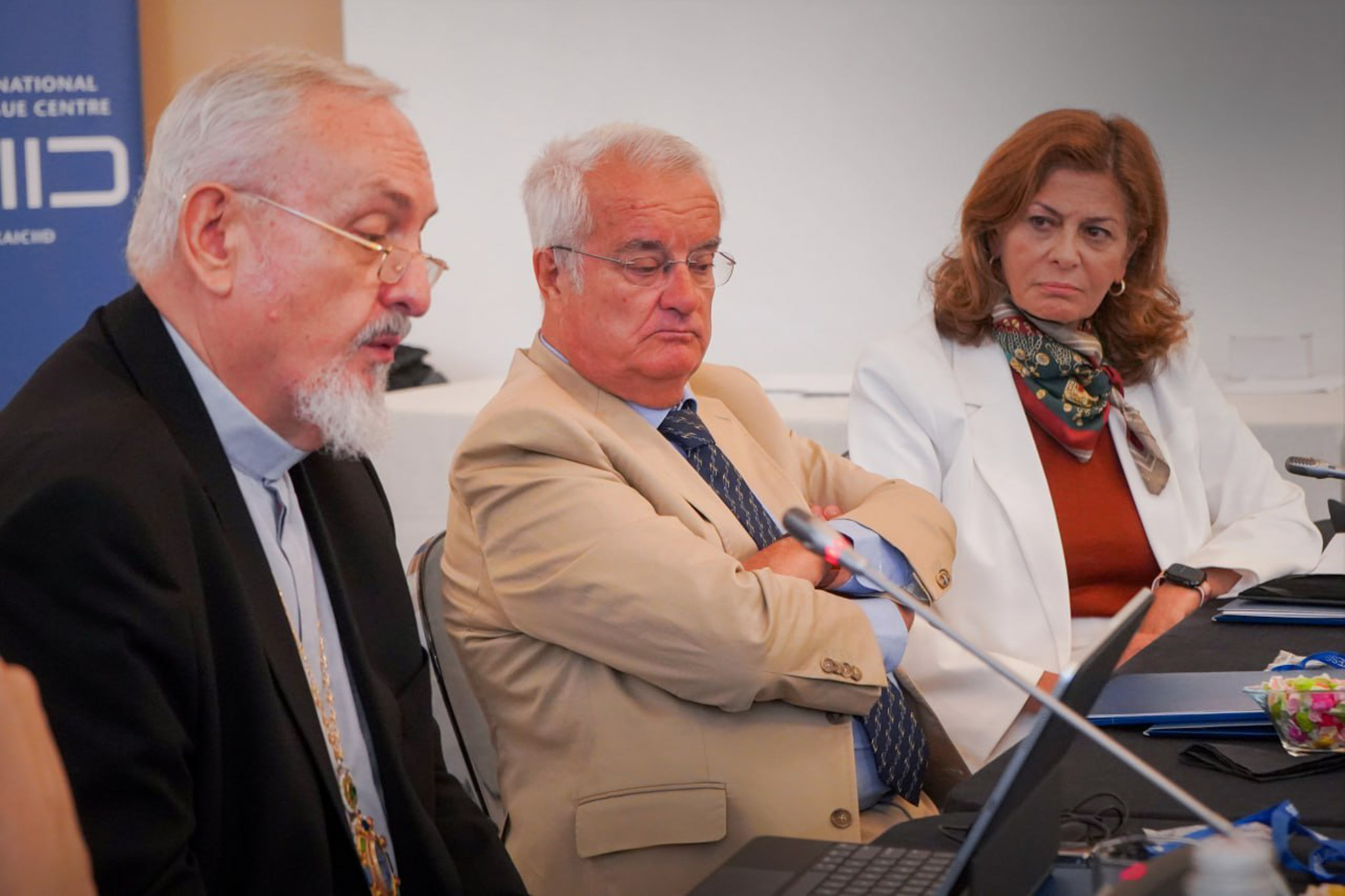
His remarks connected this principle directly with intra-Muslim dialogue, arguing that internal divisions within either Islam or Christianity inevitably affect the wider social fabric of the Middle East.
The responsibility of religious leaders to engage actively with contemporary forms of polarisation was also a central theme of the remarks delivered by Father Laurent Basanese, Head of Office at the Dicastery for Interreligious Dialogue and member of the KAICIID Board of Directors, on behalf of Cardinal George Jacob Koovakad.
“The credibility of interreligious dialogue increasingly depends upon our capacity to translate good intentions into sustainable initiatives with visible consequences for communities.”
The remarks specifically highlighted the risks posed when incitement to hatred is amplified by digital media, and called for sustained engagement in schools, universities, religious communities, media and digital platforms, particularly among younger generations.
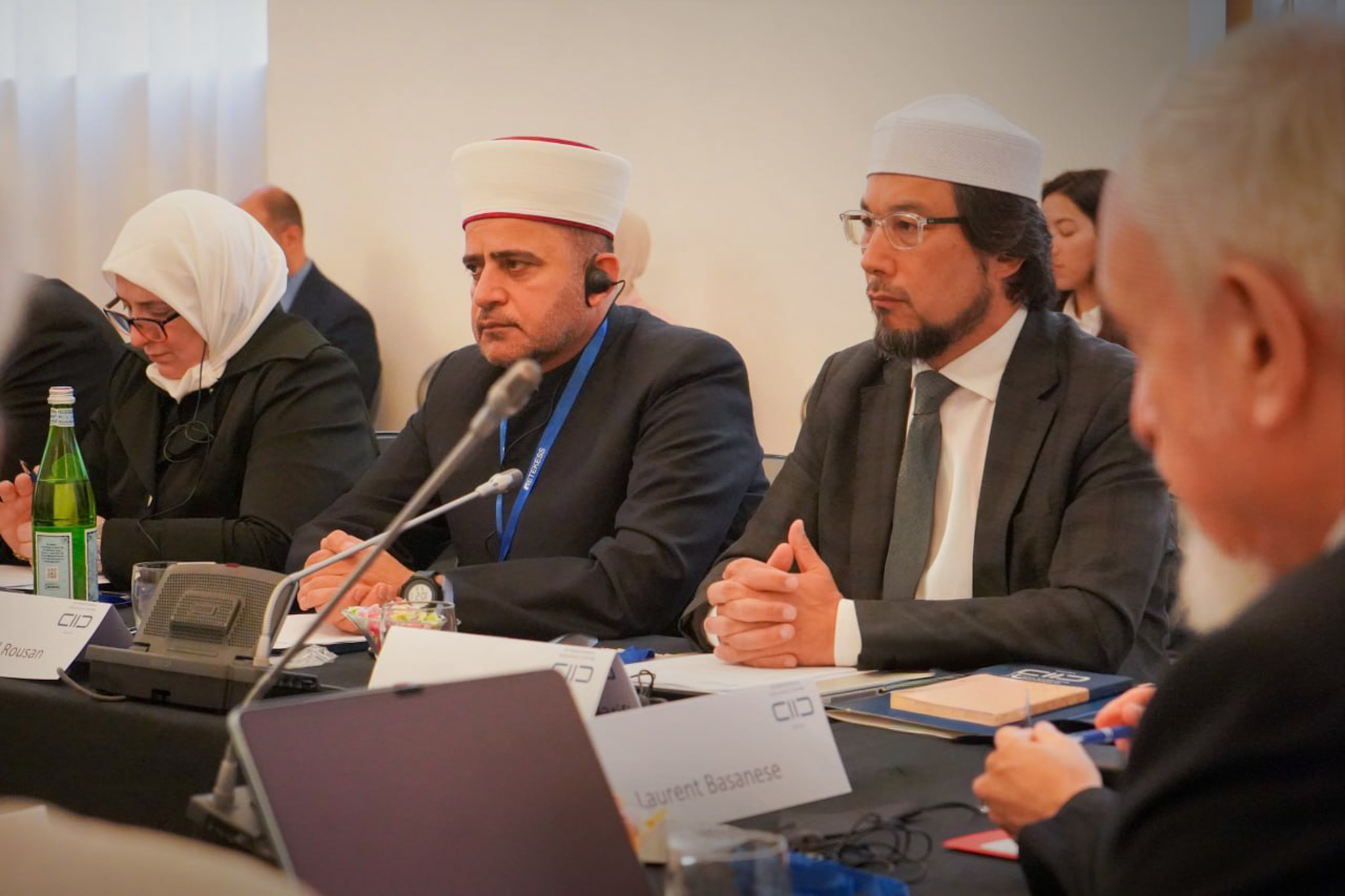
For Imam Yahya Pallavicini, President of EuLeMa, Vice-President of COREIS and Imam of the Al-Wahid Central Mosque in Milan, the Rome meeting also demonstrated the importance of stronger cooperation between Europe and the Arab region.
“We are very interested to listen and to learn how we can engage together between Europe and the Arab world,” said Imam Pallavicini, stressing that religious leaders in both regions have a responsibility to “dialogue and cooperate in concrete actions” and to help strengthen dignity, coexistence and shared human values.
The discussions also highlighted practical examples of how KAICIID, working through the IPDC ecosystem and its partners, is already translating these priorities into programmes.
Dialogue360 supports locally led dialogue initiatives across the Arab region. In 2026, its dedicated Crisis Response focuses on Syria, Sudan and Palestine, supporting locally rooted responses in contexts where conflict has placed exceptional pressure on trust, coexistence and social cohesion. The wider Dialogue360 portfolio demonstrates how local organisations, women and young people can create dialogue initiatives rooted in the realities of their communities.
The Dialogue Journalism Fellowship responds to another part of the ecosystem: the information environment. By working with journalists and media professionals, the programme seeks to strengthen responsible reporting and help media contribute to peace and interreligious understanding rather than reinforce polarisation.
She for Dialogue supports women as leaders and practitioners of interreligious and intercultural dialogue, strengthening their role in peacebuilding, mediation and the creation of more inclusive communities.
Together, Dialogue360, the Dialogue Journalism Fellowship and She for Dialogue illustrate the broader direction reinforced in Rome: dialogue is most effective when religious leadership is connected to local communities, media, women, young people and institutions, and when those relationships are translated into practical action.