The initiative aims to incorporate dialogue-based peacebuilding approaches in higher education and strengthen social cohesion in Mindanao, Philippines.
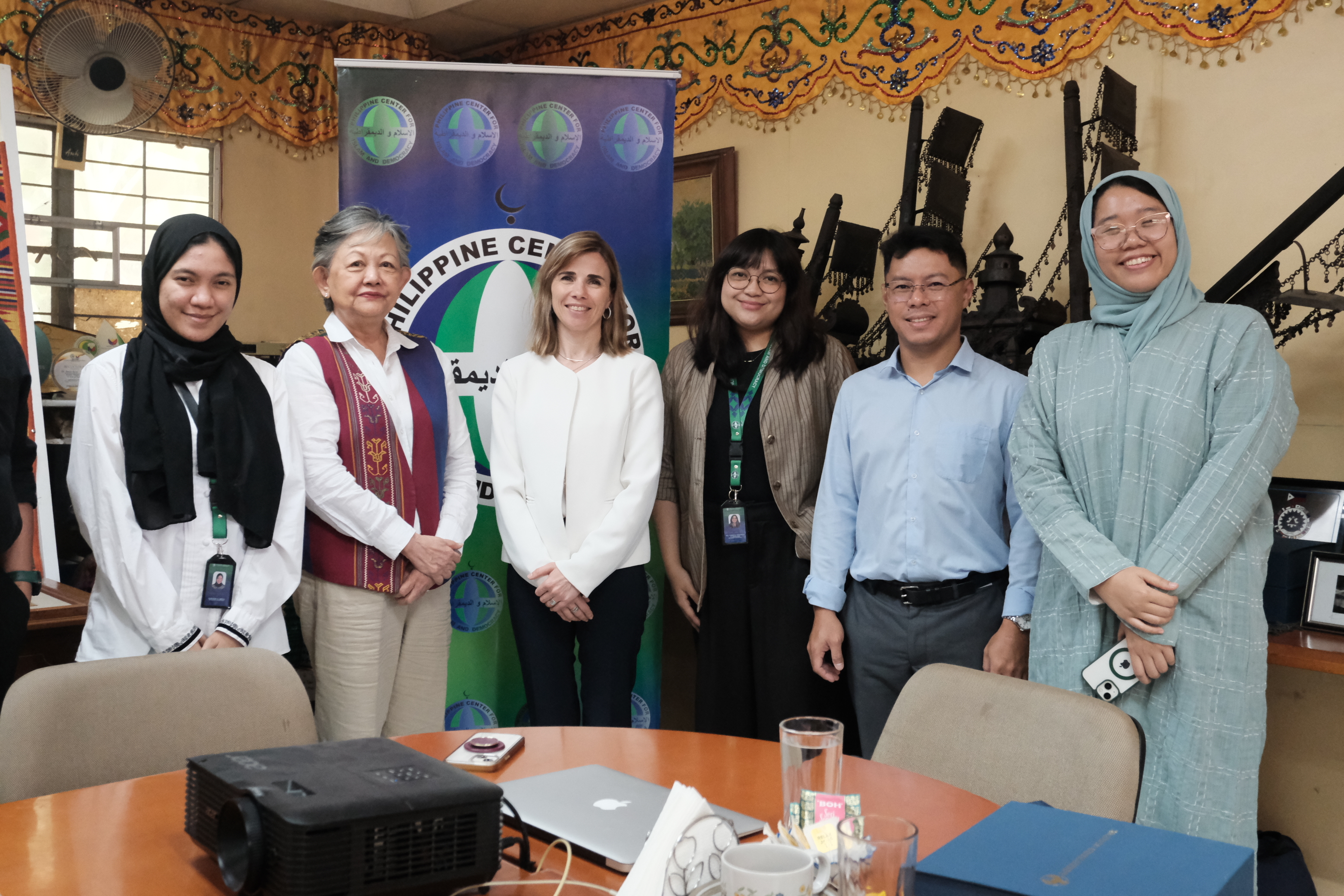
The International Dialogue Centre - KAICIID, in partnership with the Philippine Center for Islam and Democracy (PCID), has launched a new initiative to strengthen peace education in Mindanao state in the Philippines, by mainstreaming interfaith, intercultural, and interreligious dialogue into peace education frameworks.
The Interreligious and Intercultural Dialogue for Peacebuilding project aims to localise KAICIID’s approach to Interreligious and Intercultural Dialogue in the Philippines through a curriculum development to strengthen the Peace Education Curriculum Guide of the Mindanao State University – Iligan Institute of Technology (MSU-IIT). The initiative seeks to strengthen and embed dialogue-based approaches within the university’s Peace Education General Education Course (GEC) curriculum as a practical tool for building more cohesive, inclusive, and peaceful communities.
Strengthening Peace Education Through Dialogue
KAICIID, PCID, and MSU-IIT will collaborate to develop an Interreligious and Intercultural Dialogue curriculum for the peace education programmes of the MSU-IIT. The partnership will also strengthen the academic and professional capacities of educators and practitioners in faith-sensitive peacebuilding, while laying the groundwork for scaling and replication across the broader MSU system.
For Ambassador António de Almeida Ribeiro, Acting Secretary General of the International Dialogue Centre – KAICIID, “for several years, KAICIID has worked with universities around the world to build partnerships and develop courses tailored to the needs of local communities. Our experience in Southeast Asia, particularly in the Philippines, has shown us the importance of working with institutions such as Mindanao State University.”
“Lasting peace begins with prevention. By partnering with the PCID, we are helping prepare future generations to lead peacebuilding efforts and strengthen dialogue across their communities,” concluded the Acting Secretary General of KAICIID.
 Building on an Existing Academic Foundation
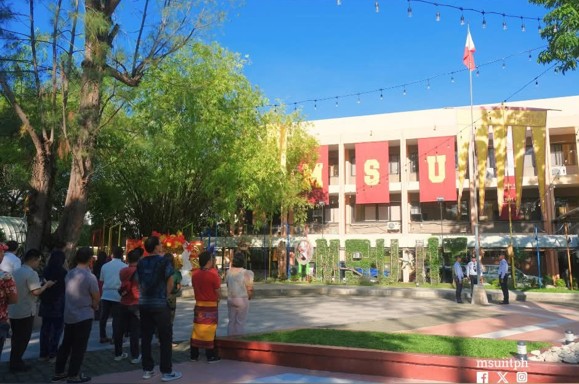
MSU-IIT has developed a draft Peace Education curriculum that introduces students to the core concepts of peace, conflict, and conflict resolution. The curriculum promotes experiential learning, critical reflection, and engagement with local issues and community contexts.
While the curriculum covers important social and cultural aspects of conflict, the project seeks to integrate Interreligious and Intercultural Dialogue as additional perspectives in the curriculum. These approaches can help students better relate to those with different backgrounds and use dialogue as a tool for bridging differences and sustaining peace.
The project brings together educators, peacebuilding practitioners, and subject matter experts to review and refine the curriculum. Their contributions will help ensure that the curriculum remains relevant, context-responsive, and aligned with current approaches to peace education.
A Multi-Sectoral and Collaborative Approach
The curriculum enhancement process will involve consultations with peace education experts, religious leaders, educators, civil society actors, dialogue practitioners, and other stakeholders. It will also draw on KAICIID’s global and regional expertise in Interreligious and Intercultural Dialogue, including contributions from its international Fellows network.
By bringing together educators, community leaders, peacebuilding practitioners, and other key stakeholders, the initiative aims to ensure that the curriculum is responsive to diverse perspectives and relevant to local realities and experiences of the different communities of Mindanao.
Leveraging Complementary Strengths
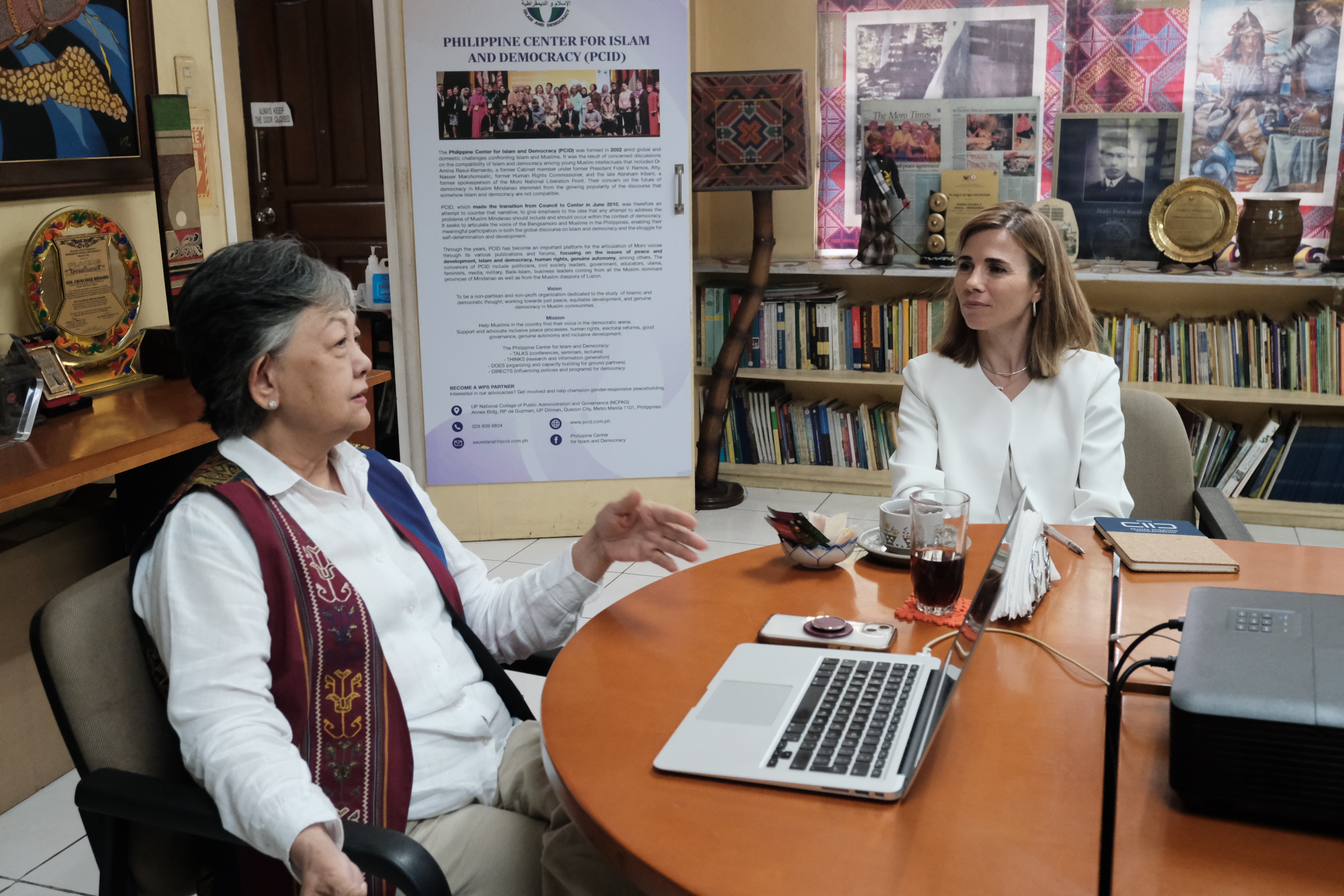
The partnership brings together the complementary expertise of KAICIID, PCID and MSU-IIT in peacebuilding, dialogue, and institutional engagement.
PCID contributes years of experience implementing peacebuilding initiatives across the Philippines and has established trust and credibility among key national stakeholders, including the state-run MSU system. This strong foundation positions the PCID to facilitate meaningful engagement among education leaders, peace practitioners, and community stakeholders.
KAICIID’s intervention is expected to support the integration of dialogue approaches into the curriculum, strengthen advocacy efforts for adoption across various MSU campuses, and support local ownership of the curriculum development process.
Dr. Amina Rasul-Bernardo, PCID President, added that “peace education becomes most meaningful when it equips young people not only with knowledge about conflict, but with the values and skills to engage across differences with empathy, respect, and dialogue. Through this partnership between the KAICIID, the MSU-IIT, and the PCID, we are helping strengthen an educational framework that prepares future leaders to navigate diversity constructively and contribute to more peaceful and inclusive communities. At the PCID, we believe that sustainable peace begins in our classrooms, where dialogue can be cultivated as both a mindset and a lifelong practice.”
Investing in Future Peacebuilders
The project contributes to the long-term integration of Interreligious and Intercultural Dialogue within peace education in the Philippines. By embedding dialogue-based approaches and faith-sensitive peacebuilding frameworks into the Peace Education, the initiative strengthens the capacity of future leaders, educators, and peacebuilders to engage constructively with religious and cultural diversity.
The Peace Education curriculum is expected to equip educators and students with practical skills and perspectives that promote mutual understanding, empathy, trust-building, and peaceful coexistence in increasingly diverse societies.
Beyond the immediate curriculum development process, the initiative aims to create sustainable institutional mechanisms that support dialogue-based peacebuilding within higher education and contribute to broader peace and social cohesion efforts in the region.
Part of KAICIID’s Broader Work Across Asia
The project forms part of KAICIID’s wider work in Southeast Asia, where the Centre advances Interreligious and Intercultural Dialogue as practical and sustainable tools for strengthening social cohesion.
Through its Asia Programme, KAICIID works to build the capacity of key actors, embedding dialogue within national systems, and leverage its Fellows network and existing platforms to enable coordinated, locally grounded responses to shared regional challenges.
In Southeast Asia, KAICIID’s work focuses on strengthening the capacity of youth, religious leaders, and community actors to apply Interreligious and Intercultural Dialogue approaches to promote peaceful coexistence and meaningful collaboration among diverse communities and address shared challenges together. KAICIID also supports incorporating dialogue within education systems, public policy, and community-based frameworks to ensure inclusive, locally anchored, and sustainable impact.