
KAICIID has launched the sixth edition of its Dialogue360 project within the Response to Crises Window, supporting locally driven initiatives that use dialogue to address conflict, strengthen social cohesion and build community resilience in Syria, Sudan and Palestine.
Earlier this year, KAICIID launched an open call for applications under the Response to Crises window, inviting organisations and individuals to propose initiatives responding to urgent needs in crisis-affected communities. The call received 113 applications, which were reviewed through a rigorous selection process.
Following this process, 10 initiatives were selected. The initiatives reflect a strong commitment to dialogue, local leadership and community engagement. They address key challenges including hate speech, social fragmentation, cultural heritage protection, displacement and crisis response especially within the most disadvantaged groups.
Dialogue360 builds on six years of implementation. Since its launch, the programme has supported 190 initiatives across the Arab region. It continues to show that dialogue can be a practical and effective tool for peacebuilding, even in complex and fragile environments.
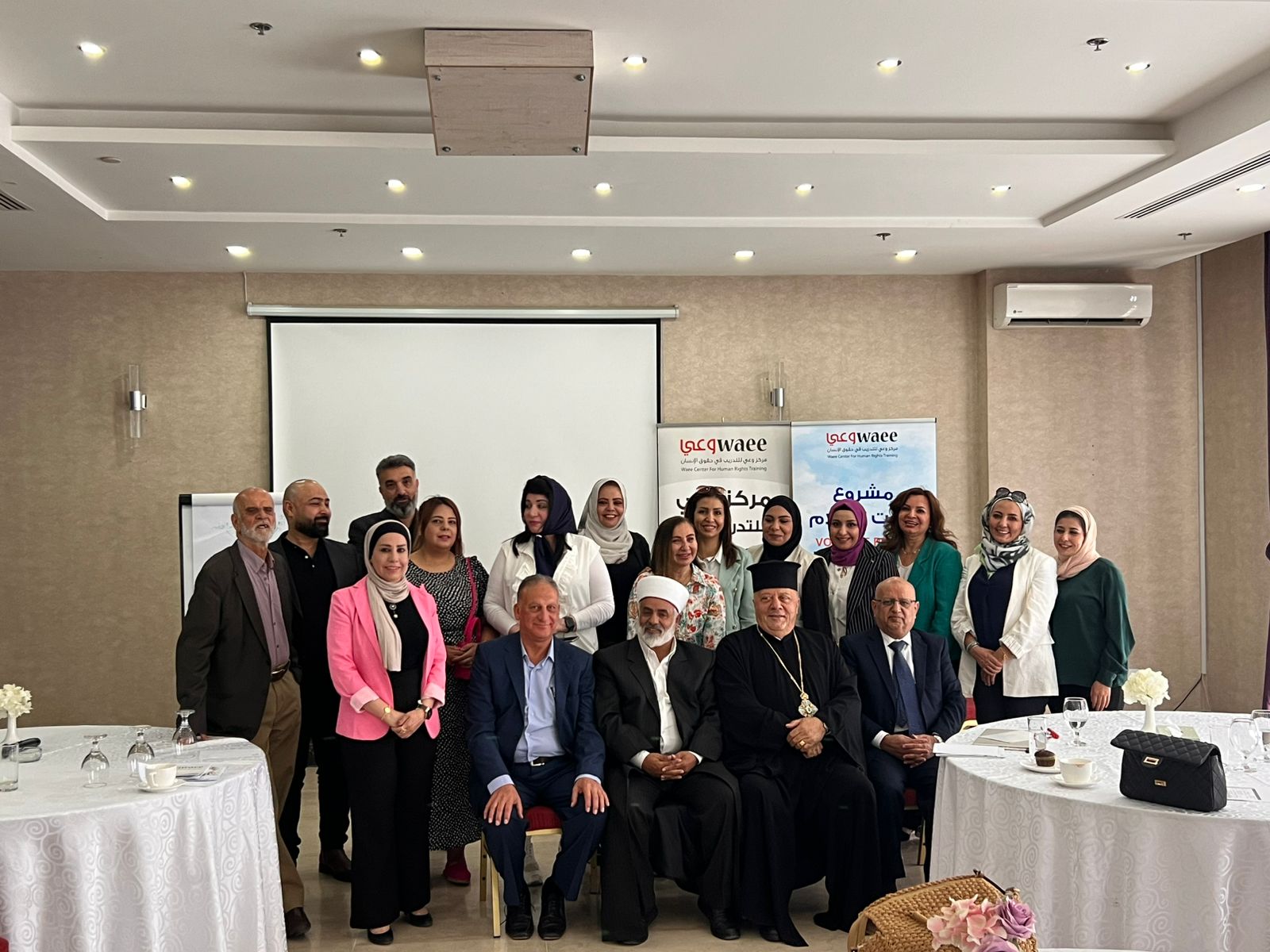
The selected initiatives cover a range of themes and approaches.
In Palestine, initiatives focus on community mediation and youth empowerment. One initiative will train 60 youth and women leaders in Gaza on dialogue, conflict resolution and social cohesion. Another will establish three local peace committees to address community tensions and promote mediation.
In Syria, several initiatives focus on capacity building, dialogue facilitation and community communication. These include training 30 young leaders on communication and facilitation skills, organising 30 peer-learning dialogue sessions and equipping community actors with tools for hate speech prevention and non-violent communication. Other initiatives will produce media and digital content that promotes coexistence and shared cultural identity.
In Sudan, initiatives respond to both community dialogue needs and digital challenges. One initiative will train 20 young people in mobile journalism to counter hate speech narratives. Another will establish a Digital Narrative Analysis Unit to monitor tensions between displaced populations and host communities. In Kassala, another initiativewill connect shared cultural heritage with social cohesion through dialogue sessions, policy engagement and community activities.
A regional initiative will bring together 45 religious and community leaders from Syria, Sudan and Palestine through structured dialogue circles. It will also include policy briefs and the development of a shared ethical framework on responsible religious discourse during crises.
Across all initiatives, the project will include trainings, dialogue sessions, awareness campaigns, policy papers and community initiatives. Inclusion is a key priority, with strong participation from youth, women and vulnerable groups, including internally displaced persons and refugees.
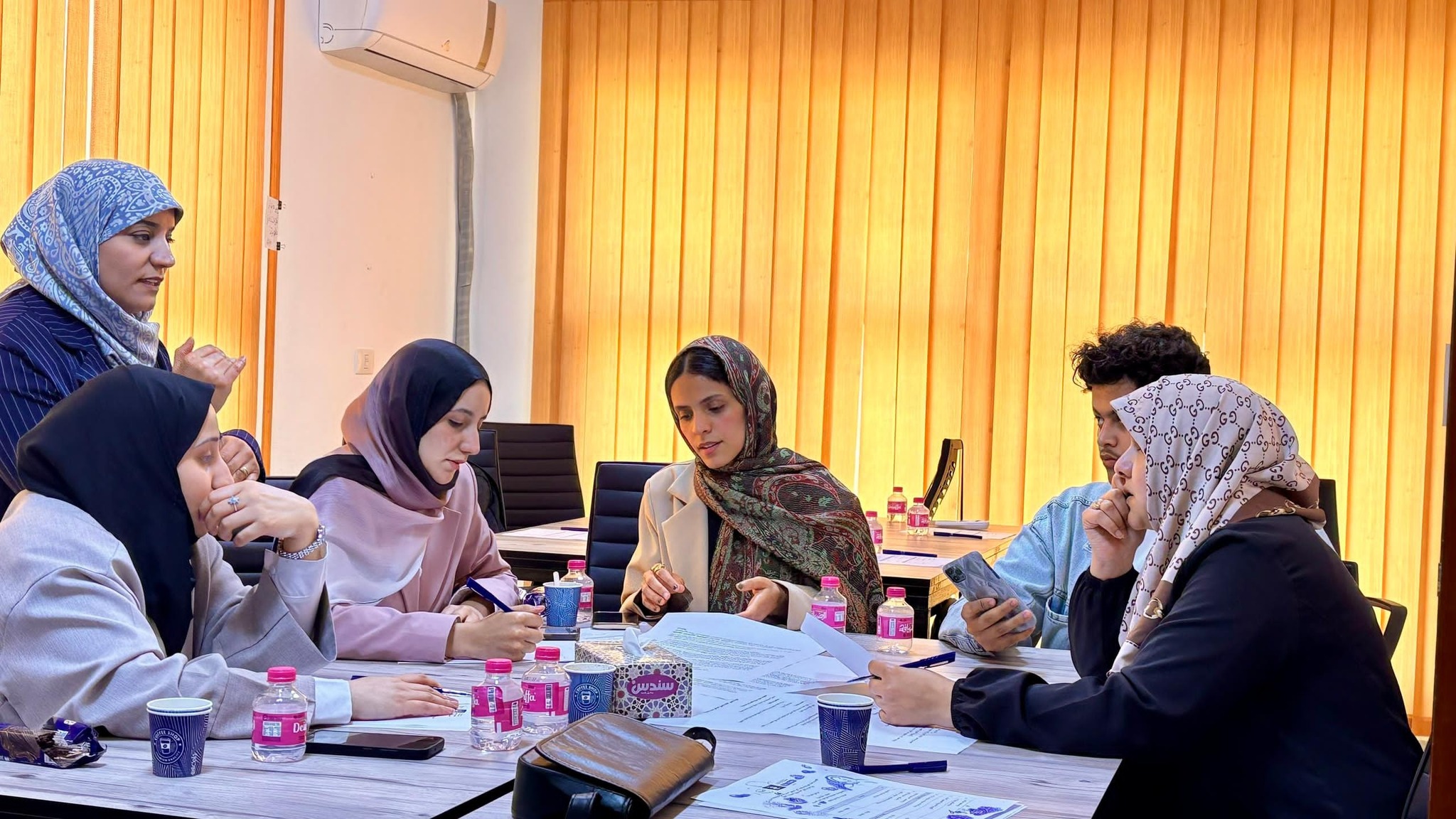
The initiatives are expected to engage more than 800 direct participants, including religious leaders, civil society actors, youth, policymakers and community representatives. Their indirect reach is expected to be significantly higher through digital campaigns, media content and wider community outreach.
Local ownership is a defining feature of Dialogue360. Each initiative is designed and implemented by actors who understand the cultural and social dynamics of their communities. This helps ensure that dialogue processes are credible, relevant and able to create lasting impact.
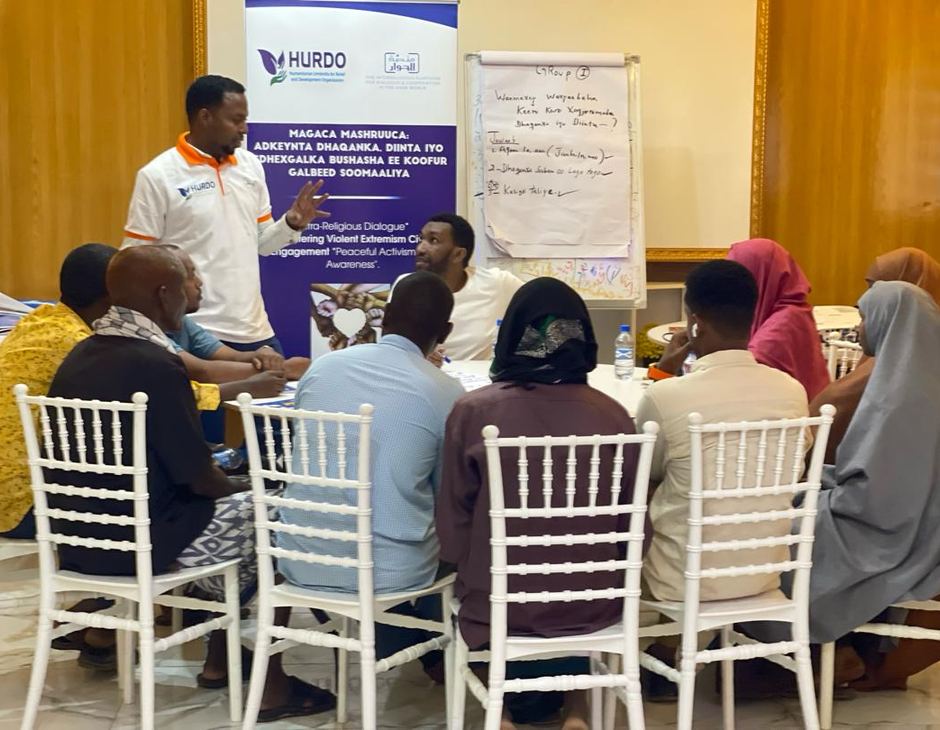
The project will officially begin with an online launch event introducing the selected initiatives and providing a platform for exchange among participants, partners and experts.
Through Dialogue360, KAICIID continues to support dialogue as a tool for resilience, cooperation and peace in times of crisis at grassroot level.